
In This Article
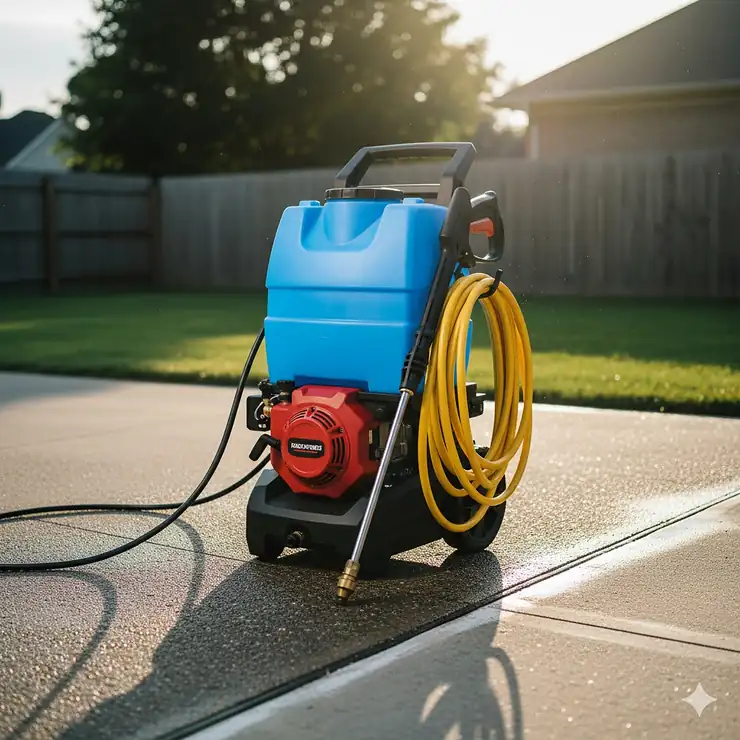
Look, I’ll be honest with you—trying to clean your car in the driveway without a nearby water source is frustrating. I’ve been there, dragging hundred-foot hoses around corners, fighting with kinked lines, and cursing at faucets that are just slightly too far away. But here’s the game-changer: a pressure washer with water tank changes everything. These portable powerhouses bring water and cleaning power wherever you need it, no hose hookup required.
✨Was this helpful? Spread the word! 🚀
Think about it. You’re camping and need to rinse off muddy bikes. Your boat’s sitting in the driveway. Maybe you’re detailing cars at a location with zero water access. A water tank pressure washer solves all these headaches in one compact package. Unlike traditional pressure washers that chain you to a spigot, these cordless wonders let you clean virtually anywhere—from remote job sites to your backyard shed that’s nowhere near a hose connection.
What exactly makes these units special? Simply put, they combine a rechargeable battery, a built-in or attachable water reservoir, and a pressure pump into one portable system. You fill the tank, charge the battery, and you’re ready to blast away dirt without being tethered to anything. According to the U.S. Environmental Protection Agency, pressure washers can use up to 80% less water than a standard garden hose while delivering superior cleaning results—making models with tanks even more efficient for water conservation.
In this comprehensive guide, I’m breaking down everything you need to know about choosing the perfect pressure cleaner with water tank for your needs. We’ll compare the top models, explore key features, discuss real-world applications, and answer the questions you’re probably already googling. Whether you’re a weekend warrior who details cars, a homeowner tackling outdoor projects, or someone who simply values the freedom to clean without constraints, you’ll find your ideal match here.
Quick Comparison Table
| Model | Tank Capacity | Max PSI | Battery Life | Weight | Price Range |
|---|---|---|---|---|---|
| Fanttik NB8 Ultra | 4.0 gal | 725 | 58 min | 22 lbs | $350-$400 |
| EGO Power+ HPW2105 | Siphon (bucket) | 2100 | 30 min | 18 lbs | $400-$450 |
| Karcher K2 Follow Me | 3.2 gal | 600 | 30 min | 18.4 lbs | $300-$350 |
| Sun Joe WA24C-LTE | 5 gal | 116 | 38 min | 15 lbs | $120-$150 |
| WORX Nitro Hydroshot | Draws from source | 710 | 20-50 min | 4.4 lbs | $140-$210 |
| Fanttik NB8 Fold | 3.2 gal | 220 | 20-50 min | 12 lbs | $180-$220 |
| Fanttik NB8 Nano | 2.1 gal | 98 | 40-60 min | 8 lbs | $100-$140 |
💬 Just one click – help others make better buying decisions too! 😊
✨ Ready to Find Your Perfect Match?
The models above represent the cream of the crop in portable pressure washing technology. Each offers unique advantages depending on your specific cleaning needs, budget, and portability requirements. Keep reading to discover detailed reviews, expert insights, and buying tips that’ll help you make the smartest investment.
Top 7 Pressure Washer With Water Tank Models: Expert Analysis
After extensive research and comparing dozens of models available on Amazon in 2025, I’ve identified seven standout options that deliver real value. Each pressure washer water tank system here has been selected based on performance, reliability, customer satisfaction, and practical versatility. Let’s dive deep into what makes each one worth your consideration.
1. Fanttik NB8 Ultra Cordless Pressure Washer
If you’re serious about power and don’t want to compromise on portability, the Fanttik NB8 Ultra is your answer. This beast delivers an impressive 725 PSI maximum pressure—significantly higher than most cordless competitors—while maintaining the freedom of a built-in 4.0-gallon water tank. The wheeled pull-rod cart design means you’re not lugging around dead weight; you simply roll it to wherever dirt needs vanquishing.
What really sets this model apart is its three-mode operation system. Energy-saving mode handles light tasks like watering plants or rinsing sandy beach gear. Standard mode tackles furniture and grills with ease. Then there’s strong mode, which unleashes the full 725 PSI for deep-cleaning stubborn driveway stains or caked-on mud from ATVs. The 20-foot hose provides excellent reach, and the LED screen displays current pressure, battery level, and active mode—functionality you’d expect from premium equipment.
Key Specifications:
- Max pressure: 725 PSI
- Tank capacity: 4.0 gallons (15 liters)
- Battery life: Up to 58 minutes
- Hose length: 20 feet
Customer Feedback: Users consistently praise the NB8 Ultra for its impressive pressure output and surprising battery longevity. One reviewer mentioned successfully washing two full-size SUVs on a single charge. However, some note that the tank doesn’t last as long as they’d like when using maximum pressure mode, requiring refills for larger projects.
Pros:
✅ Exceptional 725 PSI pressure for cordless unit
✅ Three adjustable pressure modes
✅ Wheeled design for easy transportation
Cons:
❌ Higher price point than competitors
❌ Tank depletes quickly in strong mode
Price Range: $350-$400
2. EGO Power+ HPW2105 Compact Pressure Washer
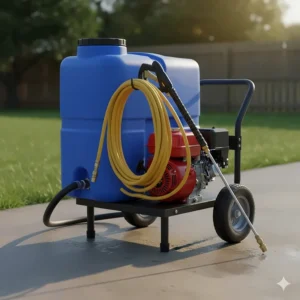
Don’t let the word “compact” fool you—the EGO Power+ HPW2105 punches way above its weight class with 2100 PSI of cleaning power. This is the pressure washer with water tank capability I’d recommend for anyone who wants professional-grade performance without the hassle of gas engines or permanent installation. Instead of a fixed tank, it uses an included siphon hose to draw water from any bucket, container, or water source you provide.
The genius here lies in its hybrid flexibility. Connect it to a standard garden hose when one’s available, or go completely cordless using the siphon system. The 56V lithium-ion battery delivers about 30 minutes of runtime, and if you’re already invested in the EGO ecosystem, any of your existing batteries work seamlessly. Three operating modes (ECO, High, Turbo) let you match power to the task at hand, conserving battery when you don’t need full nuclear-level blast.
Key Specifications:
- Max pressure: 2100 PSI
- Water source: Siphon from bucket or garden hose
- Battery life: 30 minutes per charge
- Weight: 18 pounds
Customer Feedback: EGO owners rave about the build quality and performance reliability. Multiple reviews highlight how this unit easily strips paint, removes mildew, and handles commercial detailing work. The main criticism centers on battery cost if you’re not already in the EGO system—replacement batteries run $200-$300.
Pros:
✅ Professional-grade 2100 PSI pressure
✅ Flexible water source options
✅ Compatible with entire EGO battery ecosystem
Cons:
❌ Requires purchasing container for water storage
❌ Premium pricing for batteries
Price Range: $400-$450 (tool only)
3. Karcher K2 Follow Me Cordless Pressure Washer
German engineering meets practical innovation in the Karcher K2 Follow Me, and honestly, it’s one of the smartest designs I’ve encountered. The name isn’t just marketing—this pressure cleaner with water tank actually follows you around on four smooth-rolling wheels, eliminating the awkward dance of repositioning your equipment mid-clean. The 3.2-gallon collapsible tank is both brilliant and convenient; when you’re done, it folds down to nearly flat for storage.
At 600 PSI, this isn’t the most powerful option on the market, but here’s the thing: it’s perfectly calibrated for the tasks most people actually do. Cars, bicycles, patio furniture, steps, decks—the K2 handles all of it without the overkill pressure that can damage surfaces. The adjustable Vario wand gives you precise control, letting you dial in exactly the right pressure without swapping nozzles constantly. For folks who prioritize ease of use over maximum power, this is the sweet spot.
Key Specifications:
- Max pressure: 600 PSI
- Tank capacity: 3.2 gallons (12 liters)
- Battery: 36V lithium-ion
- Weight: 18.4 pounds
Customer Feedback: Owners appreciate the thoughtful design details—onboard storage for the trigger gun, battery indicator light, and the genuinely useful Follow Me wheel system. Some users wish for more pressure when tackling particularly grimy surfaces, though most find 600 PSI adequate for regular maintenance cleaning.
Pros:
✅ Unique four-wheel Follow Me design
✅ Collapsible tank saves storage space
✅ Adjustable pressure without changing nozzles
Cons:
❌ Lower pressure limits heavy-duty applications
❌ Tank not transparent (can’t see water level)
Price Range: $300-$350
4. Sun Joe WA24C-LTE Cordless Portable Spray Washer
Budget-conscious buyers, pay attention: the Sun Joe WA24C-LTE delivers surprising value at a fraction of competitors’ prices. With its generous 5-gallon tank—the largest capacity in this roundup—you get extended cleaning sessions without constant refilling. While the 116 PSI output qualifies this more as a power sprayer than true pressure washer, it’s perfect for gentler applications like rinsing off pets, washing camping gear, or giving your car a basic bath.
The 24V IONMAX battery provides up to 38 minutes of runtime, and the 20-foot high-pressure hose gives you plenty of reach for most tasks. Sun Joe includes both a standard spray wand and a shower attachment, making this incredibly versatile for outdoor adventures. Yes, it won’t blast through caked-on concrete stains, but for maintaining cleanliness rather than tackling disaster zones, this water tank pressure washer option is hard to beat for the money.
Key Specifications:
- Max pressure: 116 PSI
- Tank capacity: 5 gallons
- Battery: 24V lithium-ion, 38-minute runtime
- Hose: 20-foot length
Customer Feedback: Reviews consistently mention excellent value and surprising usefulness for light-duty work. Campers love it for quick rinses, pet owners use it for dog baths, and casual cleaners appreciate the no-fuss operation. The lower pressure does limit applications, which some buyers didn’t realize before purchasing.
Pros:
✅ Largest 5-gallon tank capacity
✅ Budget-friendly price point
✅ Includes shower attachment for camping
Cons:
❌ Limited 116 PSI unsuitable for heavy cleaning
❌ Plastic construction feels less durable
Price Range: $120-$150
5. WORX Nitro Hydroshot 20V Portable Power Cleaner
Here’s where things get interesting. The WORX Nitro Hydroshot doesn’t have a built-in tank—instead, it draws water through a 20-foot hose from literally any fresh water source. Bucket? Check. Lake? Absolutely. Even a 2-liter soda bottle works with the included adapter. This design philosophy prioritizes ultimate portability over convenience, and at just 4.4 pounds, it’s the lightest serious cleaning tool in this guide.
The upgraded brushless motor delivers 710 PSI—a massive 70% increase over previous Hydroshot models. That’s enough to strip paint, clean gutters, or detail an entire vehicle. The 5-in-1 adjustable nozzle (0°, 15°, 25°, 40°, and watering mode) handles everything from precision work to gentle plant watering. If you already own WORX 20V Power Share tools, the battery compatibility adds tremendous value. For someone who needs maximum pressure in a package that fits in a backpack, this is it.
Key Specifications:
- Max pressure: 710 PSI
- Water source: 20-foot draw hose (from any source)
- Battery: 20V, 20-50 minute runtime
- Weight: 4.4 pounds
Customer Feedback: WORX users love the performance-to-weight ratio and the freedom of drawing from any water source. Motorcyclists, cyclists, and outdoor enthusiasts particularly appreciate the compact design. The lack of an integrated tank is a deal-breaker for some, while others view it as the ultimate portability feature.
Pros:
✅ Ultra-lightweight at 4.4 pounds
✅ Powerful 710 PSI in compact package
✅ Draws from any fresh water source
Cons:
❌ No integrated tank (requires separate container)
❌ Shorter battery life at maximum pressure
Price Range: $140-$210
6. Fanttik NB8 Fold Cordless Pressure Washer
The Fanttik NB8 Fold occupies the middle ground in Fanttik’s lineup, offering balanced performance at a reasonable price. The fold-up design is genuinely clever—it collapses to a compact size that fits easily in a trunk or storage closet, then expands to reveal a 3.2-gallon tank. At 220 PSI maximum pressure, it handles most common cleaning tasks without venturing into extreme power territory.
Four preset modes let you match pressure and flow rate to your specific needs, whether you’re washing bikes, cleaning outdoor furniture, or maintaining your yard. The 5-in-1 adjustable nozzle provides spray angles from concentrated jets to wide dispersal patterns. What really sells this model is its sweet spot pricing—you get legitimate portability and decent power without the premium cost of higher-end units. The USB Type-C charging is a nice modern touch that means one less proprietary cable to track down.
Key Specifications:
- Max pressure: 220 PSI (116-220 PSI range)
- Tank capacity: 3.2 gallons
- Battery: 4000mAh, 20-50 minute runtime
- Charging: USB Type-C
Customer Feedback: Buyers appreciate the thoughtful fold-up design and find the pressure adequate for regular cleaning tasks. Some wish for more power when tackling stubborn stains, though most reviews indicate satisfaction with performance for the price. The Type-C charging receives consistent praise for convenience.
Pros:
✅ Innovative fold-up storage design
✅ Four adjustable pressure presets
✅ Modern USB Type-C charging
Cons:
❌ Mid-range pressure limits toughest jobs
❌ Shorter runtime than larger batteries
Price Range: $180-$220
7. Fanttik NB8 Nano Portable Sprayer
Don’t need industrial-strength cleaning power? The Fanttik NB8 Nano might be exactly what you’re after. This ultra-compact unit focuses on gentle cleaning applications—think watering plants, giving your dog a bath, or rinsing off sandy beach equipment. The 2.1-gallon detachable tank provides enough capacity for quick cleaning sessions, and at just 8 pounds, even kids can operate it safely under supervision.
The 72-98 PSI pressure range is deliberately gentle, ideal for sensitive surfaces and delicate tasks. The retractable spray head tucks neatly into the main unit, eliminating that annoying tangle of hoses and attachments. IPX5 waterproofing means you can use it in rain or near pools without worry. While it’s not a pressure washer water tank system in the traditional high-power sense, it fills a niche for users who need portable cleaning capability without aggressive pressure.
Key Specifications:
- Pressure: 72-98 PSI
- Tank capacity: 2.1 gallons (8 liters)
- Battery: 2600mAh × 3 cells, 40-60 minutes
- Weight: 8 pounds
Customer Feedback: Users love this for camping showers, pet washing, and gentle plant watering. Many reviews come from RV owners and campers who appreciate the compact size and gentle pressure. Those expecting traditional pressure washer performance are disappointed, but buyers who understand its intended purpose consistently rate it highly.
Pros:
✅ Ultra-lightweight and compact
✅ Gentle pressure perfect for pets and plants
✅ Excellent battery life (40-60 minutes)
Cons:
❌ Low pressure inadequate for tough cleaning
❌ Small tank requires frequent refilling
Price Range: $100-$140
🚀 Don’t Wait—Transform Your Cleaning Routine Today!
These seven models represent the best pressure washer with water tank options available in 2025. Each one solves a specific set of cleaning challenges, from light-duty maintenance to professional-grade detailing. Click through any model name above to check current Amazon pricing, read hundreds of verified customer reviews, and take advantage of today’s deals. Your cleaner, more convenient future is just one purchase away! 🛒💦
Understanding Pressure Washer With Water Tank Technology
The evolution of portable pressure cleaning has been nothing short of remarkable. Traditional pressure washers chained you to both an electrical outlet and a water spigot—talk about limited mobility. Modern pressure cleaner with water tank systems broke those chains, but understanding how they actually work helps you make smarter buying decisions.
How Built-In Tank Systems Work
At the core of every water tank pressure washer sits a three-part system: the water reservoir, the battery-powered pump, and the spray mechanism. Water fills the tank (or gets drawn from an external source via siphon hose), and when you pull the trigger, the electric pump pressurizes that water before forcing it through the nozzle. The pressure differential between the pump output and atmospheric pressure creates the cleaning force that blasts away dirt.
Battery technology has been the real game-changer here. Modern lithium-ion batteries pack enough punch to run these pumps for 20-60 minutes depending on pressure settings and tank capacity. The U.S. Department of Energy notes that battery efficiency improvements over the past decade have made cordless tools viable for applications once requiring wall power or combustion engines. That’s why we’re seeing pressure washers with water tanks that rival their corded cousins for everyday tasks.
Tank Capacity vs. Pressure Ratings
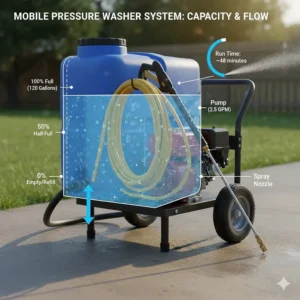
There’s an inherent trade-off in pressure washer with water tank design: larger tanks add weight and reduce portability, while smaller tanks require frequent refilling. Most units fall between 2 and 5 gallons. Here’s the practical reality—a 3-gallon tank gives you about 8-12 minutes of continuous spraying at medium pressure, enough to wash one vehicle or clean a modest patio section.
Pressure ratings deserve scrutiny too. PSI (pounds per square inch) tells you the force behind each water droplet. For context, 100-300 PSI handles light cleaning like washing cars or rinsing camping gear. Jump to 500-800 PSI and you’re in the sweet spot for most home applications—decks, siding, outdoor furniture. Anything above 1000 PSI ventures into serious cleaning territory that can strip paint or damage soft surfaces if you’re not careful. According to consumer testing organizations, most homeowners need no more than 2000 PSI for typical outdoor cleaning tasks.
Key Features to Evaluate Before Buying
Shopping for a water tank pressure washer can feel overwhelming with dozens of models claiming to be “the best.” Cut through the noise by focusing on these critical features that actually impact real-world performance and satisfaction.
Battery Runtime and Power
Battery capacity, measured in amp-hours (Ah), directly correlates to how long you can work before needing a recharge. A 2.0Ah battery might give you 15-20 minutes, while 5.0Ah or 6.0Ah batteries push that to 45-60 minutes. But here’s the catch: runtime varies dramatically based on pressure settings. Running maximum pressure drains batteries 2-3 times faster than eco or low-pressure modes.
Look for models offering multiple battery compatibility or those within tool ecosystems you already own. If you’ve invested in Dewalt, EGO, Worx, or Ryobi cordless tools, buying a pressure washer that uses those same batteries saves serious money. Some manufacturers sell “tool only” versions for $100-200 less than kitted versions with batteries and chargers.
Tank Design and Portability
A built-in tank versus a draw-from-source design represents philosophical differences in portability. Integrated tanks offer self-contained convenience—fill it once and you’re good for a cleaning session. Draw hoses with siphon capability let you use buckets, lakes, pools, or any water source, but you’re still tethered to that water supply (even if it’s a bucket you’re carrying around).
Weight matters more than specs suggest. An 8-pound unit you can operate one-handed for 30 minutes beats a 25-pound beast that requires two-hand gripping and leaves your arms exhausted. Wheeled designs make sense for larger units; look for rubberized wheels that roll smoothly on grass, gravel, or pavement. Collapsible or folding designs earn points for saving storage space—particularly valuable if you’re already fighting for garage real estate.
Nozzle Options and Spray Patterns
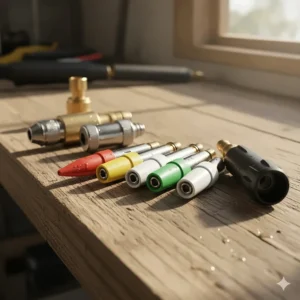
Nozzle versatility separates good pressure washers from great ones. The basics include:
0-degree (red): Concentrated pencil-point stream for precision work and stubborn stains. Use carefully as this can damage soft materials.
15-degree (yellow): Slightly wider angle for heavy-duty cleaning on durable surfaces like concrete.
25-degree (green): General-purpose cleaning for most applications—cars, siding, furniture.
40-degree (white): Wide, gentle spray for delicate surfaces or large area rinsing.
Soap/65-degree (black): Low pressure for applying detergent or watering plants.
Better models include quick-connect nozzles that snap on and off in seconds, not threaded types requiring unscrewing between changes. Adjustable wands that let you twist between spray patterns without swapping nozzles entirely offer maximum convenience. Some premium units incorporate pressure adjustment dials or multiple mode buttons, giving you fine control over water force without physical nozzle changes.
Additional Features Worth Considering
TSS (Total Stop System): Automatically shuts off the pump when you release the trigger, conserving battery and extending motor life. This should be standard on any quality unit.
Onboard storage: Holders for nozzles, hoses, and accessories keep everything organized and prevent losing pieces. Seems minor until you’re searching for that 15-degree nozzle you set down somewhere in the garage.
Soap dispensers: Built-in detergent tanks or foam cannon attachments let you apply cleaning solutions before rinsing. Critical for vehicle detailing or tackling greasy surfaces.
Hose length: Longer hoses (20+ feet) mean less repositioning of the main unit, but they’re heavier to drag around and harder to store. Find the right balance for your typical work area.
Water filtration: Inlet filters prevent debris from clogging the pump when drawing from buckets or natural water sources. Essential if you plan to use anything other than clean tap water.
Best Applications for Portable Pressure Washers
The beauty of a pressure washer with water tank design is the freedom to clean in situations where traditional equipment can’t reach or isn’t practical. Let me walk you through scenarios where these tools absolutely shine—and a few where you might want different equipment.
Vehicle Detailing and Maintenance
Car washing represents probably the most common use case, and pressure cleaner with water tank systems excel here. You can detail vehicles at car shows, clean your boat at the marina, or maintain a fleet without hunting for hose connections. Most vehicles need only 1000-1500 PSI for effective cleaning without risk of paint damage. Apply soap with a foam cannon, let it dwell for a few minutes, then rinse—the process becomes therapeutic once you’re not wrestling with tangled hoses.
Professional detailers particularly appreciate the portability factor. One detailer I know services clients at their homes and offices, carrying a compact pressure washer with water tank setup in his van. He pre-fills 5-gallon buckets, does the wash, and moves to the next location—no client water usage required. For motorcycles, ATVs, or bikes, the gentle pressure settings prevent damage to sensitive components while still cutting through mud and grime.
Outdoor Furniture and Deck Cleaning
Patio furniture collects pollen, bird droppings, and general gunk that regular hosing can’t touch. A water tank pressure washer makes quick work of these tasks. Position your unit on the patio, fill the tank, and blast away a season’s worth of buildup in minutes. Wicker, plastic, metal, or cushions—each material benefits from the adjustable pressure that prevents damage while achieving real cleanliness.
Deck maintenance is similar. Small sections get cleaned without dragging equipment across your entire yard. The limited tank capacity actually becomes an advantage here—it forces you to work in manageable sections, which produces better results than trying to rush through everything in one go. According to the North American Deck and Railing Association, regular pressure washing extends deck life by removing mildew and preventing wood degradation.
Camping and Outdoor Adventures
Camping trips generate plenty of dirt—muddy boots, sandy gear, grimy coolers, dusty tents. Traditional cleaning options basically don’t exist at remote campsites. Enter the portable pressure washer with water tank capability, specifically models that can draw from lakes or streams via siphon hose. Fill a bucket from the campground water pump, or drop the hose into the lake, and you’ve got a shower station, equipment cleaner, and general-purpose washing solution.
RV owners particularly love these for quick cleanups between proper washing sessions. Rinse off road salt, clean bug splatter from the windshield, or wash down the exterior before storage—all without connecting to campground water supply. The shower attachment mode lets you rinse off after swimming or hiking, and yes, it works great for washing dogs after they’ve decided rolling in something dead was a brilliant idea.
Job Sites and Professional Use
Contractors use water tank pressure washers for cleaning tools, equipment, and work areas where water hookups don’t exist. Construction sites, landscaping jobs, exterior painting preparation—scenarios where you need cleaning power but lack infrastructure. The cordless nature means no tripping over extension cords or searching for outlets.
Painters especially benefit from portable units when preparing surfaces. Strip flaking paint, remove mildew, or clean siding before applying primer—work that demands pressure washing but often occurs at properties where accessing water is complicated. One contractor told me his crew saves hours per job since switching to cordless units with tank capability, eliminating time wasted running hoses from distant spigots.
Comparing Tank-Based vs. Traditional Pressure Washers
Understanding when to choose a pressure washer with water tank over a conventional electric or gas model helps you make the right investment for your specific needs. Let’s break down the fundamental differences and trade-offs.
Power and Performance Differences
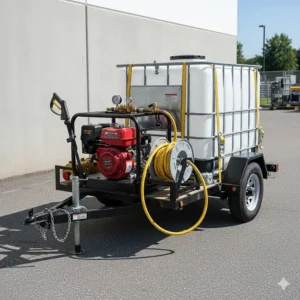
Traditional electric pressure washers plug into wall outlets and connect to garden hoses, delivering consistent power as long as electricity and water flow. They typically range from 1300-3000 PSI and can run indefinitely without recharging or refilling. Gas models push even higher, reaching 3000-4500 PSI for commercial-grade cleaning. That sustained power and pressure makes them ideal for large-scale projects—think whole-house siding cleaning, driveway restoration, or stripping multiple layers of deck stain.
Pressure cleaner with water tank systems sacrifice some power for portability. Most top out at 700-2100 PSI, with budget models offering even less. Battery limitations mean 20-60 minutes of runtime before needing recharge. Tank capacity restricts you to 2-5 gallons before refilling. However, for the 80% of cleaning tasks most homeowners face—car washing, furniture cleaning, small deck sections—these portable units provide adequate pressure while delivering unmatched convenience.
The real question isn’t which is more powerful (traditional models win every time), but rather which delivers the right power for your actual use cases. I’ve watched people struggle with 3000 PSI gas pressure washers for simple car washing, fighting equipment that’s massive overkill for the task. Meanwhile, a 300 PSI portable unit handles the same job more easily—and you can use it places a corded model simply can’t reach.
Portability and Convenience Factors
Here’s where water tank pressure washers absolutely dominate. No outlet? No problem. No water faucet nearby? Still no problem. The freedom to clean anywhere—docks, campsites, remote storage units, parking lots, anywhere—makes these tools transformative for people who’ve battled traditional equipment limitations.
Consider setup and breakdown time. Traditional pressure washers demand: unpacking the unit, running an extension cord to an outlet, connecting a garden hose to a faucet, attaching the pressure hose, selecting a nozzle, and checking all connections for leaks. With a pressure washer with water tank design: fill the tank, turn it on, and spray. Done. Cleanup reverses this—drain the tank, wipe it down, store it. Five minutes versus fifteen.
Storage footprint matters too. Gas pressure washers are heavy, bulky beasts requiring significant garage or shed space. Electric models are smaller but still need room for wound-up hoses and bulky pump units. Many tank-based portable pressure washers collapse or fold to compact sizes that fit on shelves, in car trunks, or tucked into closets. If you’re working with limited storage space (hello, apartment dwellers), this becomes a deciding factor.
Cost Analysis and Value Proposition
Price-wise, pressure washers span a massive range. Entry-level cordless models with water tank capability start around $100-150 for low-pressure units suitable for light cleaning. Mid-range options run $200-400 for better pressure, larger tanks, and quality construction. Premium models reach $600-800, competing directly with quality electric pressure washers in price while offering superior portability.
Traditional electric pressure washers occupy similar pricing territory ($150-500), while gas models start at $300 and climb to $1000+ for professional equipment. Initial cost doesn’t tell the complete story, though. Consider:
Operating costs: Electric and battery units cost pennies per use in electricity. Gas models require fuel, oil changes, and regular engine maintenance—budget $50-100 annually for upkeep.
Replacement parts: Batteries eventually need replacing ($50-300 depending on capacity and brand). Gas engines require spark plugs, air filters, and occasional carburetor servicing.
Water consumption: Tank-based systems use only the water you load, encouraging conservative usage. Traditional pressure washers connected to hoses can waste gallons if you’re not careful about shutting them off between tasks.
For occasional users tackling light to medium cleaning, a water tank pressure washer delivers better value. For heavy users doing large projects regularly, traditional models’ unlimited runtime and consistent power justify their hassles. Most homeowners fall into that first category but buy equipment designed for the second—resulting in expensive tools that sit unused because they’re too much work to deploy for simple jobs.
Maintenance and Care Tips
Proper maintenance extends the life of your pressure cleaner with water tank and ensures it performs reliably when you need it. Unlike complex gas engines, battery-powered units require minimal upkeep—but that maintenance is critical.
Battery Care and Storage
Lithium-ion batteries last 3-7 years with proper treatment, but abuse can kill them in months. Never fully drain batteries to zero; charge them when they reach 20-30% remaining. Store batteries at room temperature (40-80°F is ideal)—extreme heat degrades capacity while cold affects performance. If you won’t use your pressure washer with water tank for months, charge the battery to 50% before storage rather than full or empty.
Avoid leaving batteries on chargers indefinitely. Once fully charged, disconnect them. Many modern chargers include automatic shutoff, but not all do. Overcharging generates heat that shortens battery lifespan. When batteries do eventually decline (you’ll notice reduced runtime), recycle them properly through battery recycling programs rather than tossing them in household trash.
Tank and Pump Maintenance
Always drain your tank completely after use. Standing water invites algae growth, mineral deposits, and unpleasant odors—all preventable with simple draining. For thorough cleaning, run a mixture of white vinegar and water through the system monthly (50/50 ratio). This dissolves mineral buildup from hard water and sanitizes the tank interior. Rinse thoroughly with clean water afterward.
Inspect inlet filters regularly, especially if you draw from buckets or natural water sources. Debris-clogged filters reduce water flow and strain the pump. Most filters simply snap out for cleaning under a faucet. Replace them annually or when damage is visible. The pump itself requires minimal attention beyond these measures—modern designs are remarkably durable when operated within their intended specifications.
Winter Storage Considerations
Freezing temperatures are battery-powered pressure washers’ biggest enemy. Water left in the system can freeze, expand, and crack pump components—damage that isn’t covered by warranties. Before storing for winter, pump antifreeze RV solution through the system. Disconnect all hoses, trigger the spray gun to release pressure, and run antifreeze until it exits the nozzle. This prevents ice damage during storage.
Store the unit itself in climate-controlled space if possible—basements, garages, or sheds that stay above freezing. If outdoor storage is unavoidable, remove and store batteries separately indoors. Cold batteries lose capacity rapidly and may refuse to charge at all below 32°F. Next season, reconnect everything, flush the antifreeze with clean water, and you’re ready to clean again.
Troubleshooting Common Issues
Low pressure despite full battery: Check for clogged nozzles or inlet filters first. Disconnect and run water backwards through nozzles to clear debris. If that doesn’t help, ensure you’re drawing from adequate water supply—pumps can’t create pressure from an empty tank.
Pump runs but no water sprays: Air lock in the system. Ensure the tank is full, trigger the spray gun, and wait while the pump purges air. May take 30-60 seconds of continuous triggering.
Battery drains abnormally fast: Could indicate pump issues or battery degradation. Test with a different battery if available. If the problem persists, the pump motor may need service.
Leaking connections: Most pressure washer with water tank systems use quick-connect fittings that seal with O-rings. Replace damaged O-rings (available in hardware stores) or tighten connections by hand—don’t over-torque, as this can strip plastic threads.
For issues beyond basic troubleshooting, contact the manufacturer’s customer service before attempting major repairs. Most quality brands offer 1-2 year warranties covering defects and many parts are user-replaceable.
Environmental Considerations and Water Conservation
Beyond personal convenience, pressure washers with water tanks offer genuine environmental advantages that align with modern sustainability priorities. Understanding these benefits helps justify the investment and guides responsible usage.
Water Efficiency Benefits
Here’s a sobering fact: a standard garden hose flows 8-20 gallons per minute, while pressure washer water tank systems use 0.5-2.0 GPM. Pressure washing typically requires 60-80% less water than hose washing to achieve superior results. The high-pressure spray does more work per gallon, breaking dirt bonds more effectively than gentle hose streams.
Tank-based systems amplify these savings because they limit how much water you can use per session. With only 2-5 gallons available, you naturally become more intentional about water usage. This built-in conservation means that even less-conscious users consume far less water than they would with unlimited flow from a faucet. For regions facing water scarcity or high water utility costs, these savings accumulate meaningfully over months and years.
According to the U.S. Geological Survey, outdoor water use accounts for 30% of household consumption, much of it dedicated to cleaning tasks. Reducing cleaning water usage by 70-80% through efficient pressure washer technology makes a real dent in overall household water footprint. When millions of homeowners adopt water-efficient cleaning methods, the cumulative impact becomes significant.
Chemical Usage and Runoff
Effective cleaning requires less detergent when using pressure washers versus hand scrubbing or gentle hosing. The mechanical force of pressurized water does much of the work, meaning you can use diluted cleaning solutions or skip harsh chemicals entirely for many applications. This reduces chemical runoff into storm drains and surrounding soil—runoff that eventually reaches waterways and groundwater.
Many pressure cleaner with water tank users opt for eco-friendly, biodegradable soaps specifically formulated for pressure washing. These break down naturally, contain no phosphates or harsh solvents, and still deliver excellent cleaning results. Brands like Simple Green and EcoSmart offer effective alternatives to traditional degreasers and detergents that won’t harm plants or aquatic life.
Responsible usage means never directing detergent-laden runoff toward storm drains when possible. If you’re washing on a driveway or patio, consider using biodegradable soap and allowing runoff to drain onto lawn areas where soil and grass can filter contaminants. While not always practical, this approach minimizes environmental impact from your cleaning activities.
Battery and Equipment Disposal
The elephant in the room with battery-powered equipment is what happens when batteries reach end-of-life. Proper disposal is crucial—lithium-ion batteries contain materials that shouldn’t enter landfills but can be recycled and repurposed. Most major retailers (Home Depot, Lowe’s, Best Buy) offer battery recycling programs at no charge. Drop off dead batteries there instead of trashing them.
The pressure washer unit itself lasts considerably longer than batteries—often 5-10 years with reasonable care. When replacement finally becomes necessary, many components (motors, pumps, plastic housings) can be recycled. Check with local recycling centers about e-waste programs that accept small appliances and power tools. Some manufacturers even offer trade-in programs where you can exchange old equipment for discounts on new purchases.
Frequently Asked Questions
❓ Can I use a pressure washer with water tank for washing my second-story windows?
❓ How often do I need to recharge the battery during typical cleaning tasks?
❓ Are tank-based pressure washers powerful enough for removing old deck stain?
❓ What's the real difference between PSI and GPM ratings?
❓ Can I safely use lake or river water in my portable pressure washer?
Conclusion: Finding Your Perfect Cleaning Companion
After diving deep into specifications, comparing models, and exploring applications, here’s the bottom line: the best pressure washer with water tank is the one you’ll actually use consistently. Sounds obvious, but I’ve seen too many people buy maximum-power monsters that gather dust because they’re too cumbersome for quick cleaning tasks.
For most homeowners and outdoor enthusiasts, a mid-range model offering 300-800 PSI, 3-4 gallon capacity, and quality battery life hits the sweet spot. You get enough power for meaningful cleaning without overkill pressure that risks damage. Portability becomes genuinely useful rather than theoretical—you’ll find yourself tackling cleaning jobs you previously avoided because setup was too involved. Whether that’s washing your car in the driveway, maintaining patio furniture, or preparing for a camping trip, having the right tool readily accessible changes behavior.
Budget matters, but don’t automatically default to the cheapest option. An extra $100-150 invested in better battery capacity, higher pressure capability, or superior build quality pays dividends through years of reliable service and reduced frustration. Similarly, buying the most expensive premium model doesn’t guarantee satisfaction if your needs are modest and you’re paying for features you’ll never use.
Consider your ecosystem too. If you already own cordless tools from Worx, EGO, Dewalt, or other major brands, buying a pressure cleaner with water tank from that same family saves serious money on batteries and chargers. Cross-compatibility transforms individual tool purchases into an interconnected system where investments compound value rather than creating collections of proprietary batteries.
The freedom to clean anywhere, anytime—that’s what these portable units truly offer. No more planning cleaning days around access to power and water. No more cursing at tangled hoses or hunting for extension cords. Just fill, charge, and spray. For someone who values convenience as much as capability, that freedom alone justifies the investment.
🌟 Ready to Experience Cleaning Freedom?
Don’t let another season pass wrestling with traditional pressure washer limitations. Check out the models featured in this guide—each one is currently available on Amazon with verified customer reviews, competitive pricing, and fast shipping. Whether you need gentle spraying power for delicate tasks or serious PSI for heavy-duty work, there’s a perfect pressure washer with water tank waiting to simplify your cleaning life. Click through to explore options, compare prices, and take advantage of current deals. Your future self will thank you! 🚀✨
Recommended for You
- 5 GPM Pressure Washer: 7 Best High-Flow Models 2025
- 6000 PSI Pressure Washer: 7 Best Heavy-Duty Models 2025
- 5000 PSI Pressure Cleaner: 7 Best Models for 2025
Disclaimer: This article contains affiliate links. If you purchase products through these links, we may earn a small commission at no additional cost to you.
✨ Found this helpful? Share it with your friends! 💬🤗
