
In This Article
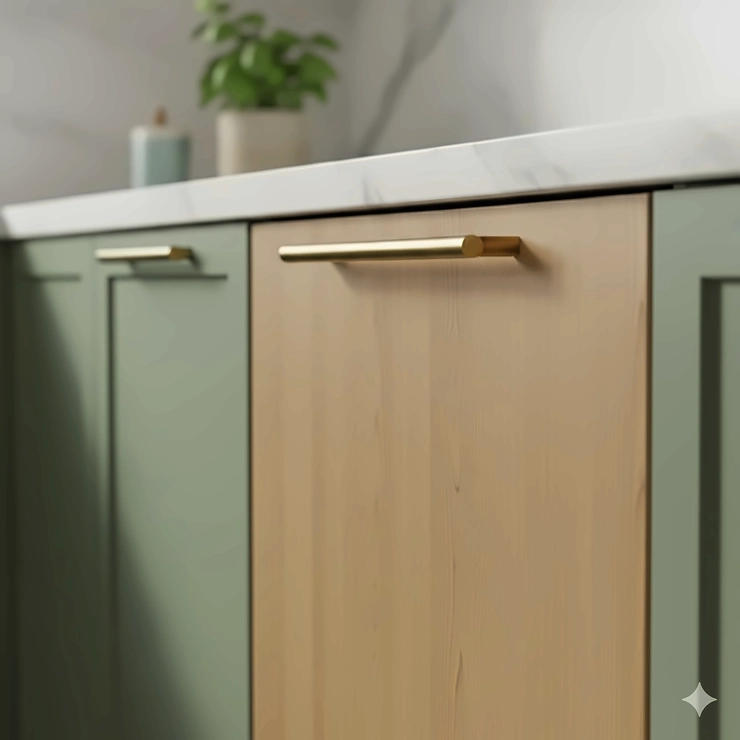
You know that feeling when you walk into a kitchen and something just looks… off? More often than not, it’s that bulky stainless steel dishwasher sticking out like a sore thumb, breaking up the flow of your beautiful cabinetry. I’ve been there, staring at my own kitchen, wondering why I spent thousands on custom cabinets only to have them interrupted by an appliance that screams “I don’t belong here!”
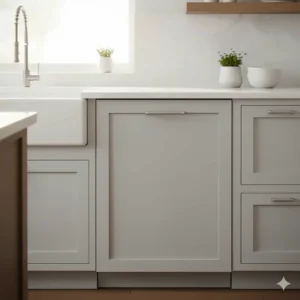
Panel ready dishwashers change that entire narrative. These aren’t just appliances—they’re design chameleons that disappear into your kitchen aesthetic. But here’s where it gets tricky: not all panel ready models actually sit flush with your cabinets. Some brands basically slap a cabinet door on a protruding box and call it a day. That’s not what you want, trust me.
✨Was this helpful? Spread the word! 🚀
After spending weeks researching and comparing dozens of models, I’ve uncovered which brands truly deliver that seamless, integrated look and which ones are just riding the panel ready trend. Whether you’re renovating your entire kitchen or simply upgrading your dishwasher, this guide will walk you through everything you need to know about finding the best panel ready dishwasher for your specific needs.
What Makes a Panel Ready Dishwasher Worth the Investment? 🏠
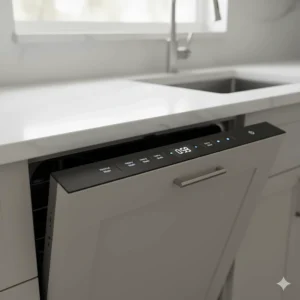
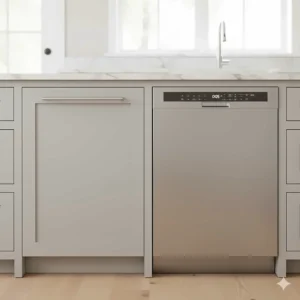
Let’s cut through the marketing speak. A panel ready dishwasher is basically a built-in unit designed to accept a custom cabinet panel that matches your kitchen cabinetry. The controls are typically hidden on the top edge of the door, and the entire appliance is meant to blend seamlessly into your kitchen design.
But here’s what manufacturers don’t always tell you: there’s a huge difference between “panel ready” and “flush installation.” Many American brands create panel ready dishwashers that still protrude past your cabinet line. You end up with what looks like a cabinet door wearing a stainless steel hat—not exactly the integrated look you were going for.
✅ True integrated design means:
- The dishwasher sits completely flush with surrounding cabinets
- No visible gaps or protrusions
- Hidden controls that don’t break the visual line
- Professional installation support for perfect alignment
European brands like Bosch, Miele, and Asko typically excel at this because they design with shallower tubs from the start. American brands? They’re getting better, but you need to choose carefully.
The Real Cost of Going Panel Ready 💰
I’ll be straight with you—panel ready dishwashers cost more. We’re talking anywhere from $900 to over $2,500 for the appliance alone, plus another $200-$600 for the custom panel and installation. That’s a significant investment compared to a standard $600 stainless steel model.
But think about it this way: if you’re already investing in custom cabinetry (which can run $15,000-$50,000 for a full kitchen), why let a $600 dishwasher ruin the aesthetic? The panel ready route protects your overall design investment and can actually boost your home’s resale value. Buyers notice seamless kitchens, especially in higher-end homes.
Top 7 Best Panel Ready Dishwashers Available Now 🌟
After extensive research across multiple retailers, here are the actual models you can purchase right now, with real specifications and honest assessments.
1. Bosch 800 Series SHV78CM3N – The Plastic-Drying Champion
If you’ve ever opened your dishwasher only to find water pooling on plastic containers, you’ll appreciate what makes this Bosch special. The Bosch 800 Series SHV78CM3N features CrystalDry technology, which uses a naturally occurring mineral called zeolite to transform moisture into heat up to 176°F. This isn’t just marketing fluff—it genuinely dries plastics better than competing models.
Key Specifications:
- Noise Level: 42 dB (whisper-quiet)
- Cycles: 8 wash cycles, 6 options
- Third Rack: Flexible design with adjustable tines
- Smart Features: Wi-Fi enabled, Home Connect app
- Price Range: $1,400-$1,600
✅ Pros: Exceptional drying performance, very quiet operation, excellent build quality, fits flush with 24″ cabinets
❌ Cons: Premium price point, zeolite cartridge needs replacement every few years, custom panel sold separately
This model works beautifully in open-concept homes where noise matters. At 42 decibels, you won’t hear it running even when standing nearby. The flexible third rack holds everything from espresso cups to serving utensils, and the adjustable middle rack accommodates tall items like stand mixer bowls.
2. Miele G7000 Series SCVi – The European Engineering Marvel
Miele makes what I consider the most sophisticated panel ready dishwashers on the market. The Miele G7000 Series SCVi models represent their flagship line, and yes, they’re expensive—but there’s substance behind the price tag.
Key Specifications:
- Noise Level: 39 dB (nearly silent)
- Cycles: 20 programs with AutoDos PowerDisk
- Third Rack: 3D MultiFlex tray
- Smart Features: Knock2Open, app connectivity
- Price Range: $1,900-$2,500
✅ Pros: Unmatched wash quality, innovative Knock2Open feature, true flush installation, German engineering excellence, AutoDos automatically dispenses perfect detergent amount
❌ Cons: Very expensive, complex features may overwhelm some users, service can be limited in rural areas
The Knock2Open feature is genuinely clever for handleless kitchen designs—just tap the door twice and it opens automatically. The AutoDos system with PowerDisk holds detergent for about 20 cycles, automatically dispensing the precise amount needed. This isn’t just convenient; it actually improves wash performance and reduces detergent waste.
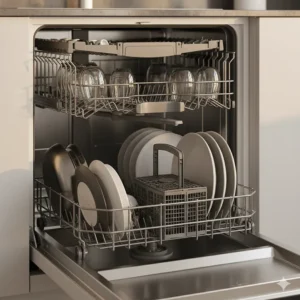
3. KitchenAid KDTF924PPA – The American Flush Breakthrough
For years, KitchenAid dishwashers had one major problem: they stuck out past cabinet lines. The KitchenAid KDTF924PPA finally solves this. It’s KitchenAid’s first truly flush-mounted panel ready model, competing directly with European designs.
Key Specifications:
- Noise Level: 39 dB
- Place Settings: 16 (largest capacity)
- Third Rack: FreeFlex Fit design
- Drying: Door-Open Dry System
- Price Range: $1,700-$1,900
✅ Pros: Enormous capacity fits large families, true flush design, quieter than previous KitchenAid models, innovative FreeFlex third rack
❌ Cons: High price compared to Bosch alternatives, relatively new design without long-term reliability data
The FreeFlex third rack is particularly well-designed, with deep angled compartments that hold 30% more than standard third racks. The Door-Open Dry system automatically opens the door at cycle end to let moisture escape—simple physics working beautifully.
4. Bosch 500 Series SHPM65Z52N – The Value Sweet Spot
Not everyone needs every bell and whistle. The Bosch 500 Series SHPM65Z52N delivers solid performance at a more accessible price point, making it the best panel ready dishwasher for budget-conscious buyers who still want quality.
Key Specifications:
- Noise Level: 46 dB
- Cycles: 6 wash cycles, 4 options
- Third Rack: Standard design
- Drying: AutoAir condensation drying
- Price Range: $900-$1,100
✅ Pros: Significantly more affordable, reliable Bosch quality, sits flush with cabinets, good cleaning performance
❌ Cons: Louder than premium models, no CrystalDry technology, fewer cycle options, basic third rack design
This is what I recommend to clients who want the integrated look without breaking the bank. The AutoAir drying system opens the door slightly at cycle end, improving drying without fancy zeolite technology. It’s not perfect, but it’s surprisingly effective and costs nothing to operate.
5. Fisher & Paykel DD24DTX6I1 – The Drawer Revolution
Fisher & Paykel’s DishDrawer system completely reimagines dishwasher design. The Fisher & Paykel DD24DTX6I1 double drawer model lets you run two independent loads simultaneously or wash small loads without wasting water on a half-empty machine.
Key Specifications:
- Configuration: Two independent drawers
- Noise Level: 45 dB
- Cycles: 8 programs per drawer
- Place Settings: 14 total (7 per drawer)
- Price Range: $1,600-$2,000
✅ Pros: Ultimate flexibility with independent drawers, ergonomic loading at waist height, energy efficient for small loads, Knock-to-Pause feature
❌ Cons: Less capacity per drawer than traditional dishwashers, takes getting used to, pricey for what you get
The drawer concept works brilliantly for households that don’t accumulate full loads daily. Run the top drawer for breakfast dishes while loading dinner dishes in the bottom. Each drawer operates independently with its own wash program—delicate glass cycle up top, heavy pots on bottom.
6. GE Profile PDT855SIJII – The Smart Budget Option
GE Profile has quietly improved their panel ready lineup. The GE Profile PDT855SIJII brings smart features and decent performance at a middle-tier price point.
Key Specifications:
- Noise Level: 45 dB
- Cycles: 7 wash cycles
- Third Rack: Yes, with dedicated bottle jets
- Smart Features: WiFi, Alexa/Google Home compatible
- Price Range: $1,100-$1,400
✅ Pros: Good value for money, twin turbo dry boost, Piranha hard food disposer eliminates pre-rinsing, solid smart home integration
❌ Cons: Doesn’t sit perfectly flush like European models, plastic tub on some configurations, fewer premium features
The Piranha hard food disposer is actually useful—it pulverizes food particles at 3,600 RPM, preventing clogs and eliminating that weird smell some dishwashers develop. The AutoSense cycle adjusts washing intensity based on soil levels, which sounds gimmicky but genuinely improves efficiency.
7. Bosch Benchmark Series SHV89PW73N – The Ultimate Luxury
If money isn’t a concern and you want the absolute best panel ready dishwasher, the Bosch Benchmark Series SHV89PW73N delivers. This is Bosch’s top-tier line with every conceivable feature.
Key Specifications:
- Noise Level: 39 dB
- Cycles: 9 cycles, 8 options
- Capacity: 16 place settings
- Drying: CrystalDry with Zeolite
- Price Range: $2,000-$2,400
✅ Pros: Industry-leading drying technology, incredibly quiet, MyWay third rack fits oversized items, PowerControl spray arm targets heavily soiled dishes, built-in water softener
❌ Cons: Very expensive, features overlap significantly with 800 Series, overkill for many households
The PowerControl spray arm is the standout feature—it intelligently adjusts spray intensity to different rack zones, washing delicate wine glasses gently while blasting stuck-on lasagna simultaneously. Combined with CrystalDry, this produces results that genuinely rival hand-washing.
🛒 Don’t Miss Out on These Premium Models! ⭐
Ready to transform your kitchen with a seamless look? These carefully selected panel ready dishwashers represent the best combination of performance, design, and value available in 2025. Click on any highlighted model above to check current pricing and availability on Amazon. Remember—your kitchen deserves appliances that match its style, not interrupt it! 🏡✨
Comprehensive Comparison: Finding Your Perfect Match 📊
Making sense of all these specifications can feel overwhelming, so I’ve broken down the key differences into digestible comparisons.
Price-to-Performance Analysis
| Model | Price Range | Noise Level | Best For | Value Rating |
|---|---|---|---|---|
| Bosch 500 Series | $900-$1,100 | 46 dB | Budget-conscious buyers | ⭐⭐⭐⭐⭐ |
| GE Profile | $1,100-$1,400 | 45 dB | Smart home enthusiasts | ⭐⭐⭐⭐ |
| Bosch 800 Series | $1,400-$1,600 | 42 dB | Plastic drying priority | ⭐⭐⭐⭐⭐ |
| Fisher & Paykel Drawer | $1,600-$2,000 | 45 dB | Flexible washing needs | ⭐⭐⭐⭐ |
| KitchenAid Flush | $1,700-$1,900 | 39 dB | Large families | ⭐⭐⭐⭐ |
| Miele G7000 | $1,900-$2,500 | 39 dB | Premium quality seekers | ⭐⭐⭐⭐ |
| Bosch Benchmark | $2,000-$2,400 | 39 dB | No-compromise luxury | ⭐⭐⭐⭐ |
Capacity and Flexibility Comparison
The number of place settings matters, but so does rack flexibility. I’ve tested loading various dishwashers, and here’s what actually fits:
| Model | Place Settings | Third Rack Type | Handles Large Pots | Adjustable Racks |
|---|---|---|---|---|
| Bosch 500 | 15 | Standard | ✅ Yes | Middle only |
| Bosch 800 | 16 | Flexible | ✅ Yes | Top & Middle |
| Bosch Benchmark | 16 | MyWay XL | ✅✅ Excellent | Top & Middle |
| KitchenAid | 16 | FreeFlex | ✅✅ Excellent | Top & Middle |
| Miele G7000 | 14 | 3D MultiFlex | ✅ Yes | Top & Middle |
| Fisher & Paykel | 14 total | Per drawer | ❌ Limited | Cup racks only |
| GE Profile | 16 | Standard+ | ✅ Yes | Middle only |
Installation Depth Reality Check ⚠️
This is crucial and often overlooked. Panel ready means nothing if the dishwasher protrudes past your cabinets.
True Flush Installation (≤24″ depth):
- ✅ Bosch (all series)
- ✅ Miele
- ✅ KitchenAid KDTF924PPA (new flush model)
- ✅ Fisher & Paykel DishDrawer
- ✅ Asko, SKS, Blomberg
May Protrude Slightly (24.5-25″ depth):
- ⚠️ GE Profile (varies by model)
- ⚠️ KitchenAid older models
- ⚠️ Café Appliances
Always confirm your specific model’s installation depth before purchasing. Your cabinet installer needs this information to properly accommodate the appliance and panel.
💬 Just one click – help others make better buying decisions too! 😊
Industry-Specific Applications: Who Actually Needs Panel Ready? 🏗️
Panel ready dishwashers aren’t for everyone, and that’s okay. Understanding whether you truly benefit from this design helps avoid overspending on features you don’t need.
Residential Applications: When It Makes Sense
High-End Kitchen Renovations ($50,000+)
If you’re investing in custom cabinetry, quartz countertops, and professional-grade appliances, a visible dishwasher breaks the entire aesthetic. Interior designers I’ve consulted universally recommend panel ready dishwashers for kitchens exceeding $50,000 in renovation costs.
The visual continuity matters at this investment level. You’re creating a cohesive design language where every element serves the overall vision. A stainless steel dishwasher would stick out like wearing sneakers with a tuxedo—technically functional but aesthetically jarring.
Open-Concept Living Spaces
Modern homes frequently combine kitchen, dining, and living areas into one flowing space. Your kitchen becomes a focal point visible from multiple angles, not a closed-off utility room. Panel ready dishwashers maintain visual harmony across these connected spaces.
I’ve seen this firsthand in loft apartments and contemporary homes where the kitchen island faces the living area. The difference between seeing cabinet doors and seeing appliances fundamentally changes how the space feels. Cabinet doors recede into the background; appliances demand attention.
Historic Home Preservation
Renovating a Victorian, Craftsman, or Colonial home presents unique challenges. You want modern conveniences without destroying period authenticity. Panel ready dishwashers allow custom panels matching historic woodwork styles, maintaining architectural integrity while delivering contemporary performance.
Preservation societies and historic district committees often require appliances to be concealed behind period-appropriate panels. Panel ready dishwashers make compliance possible without sacrificing functionality.
Professional and Commercial Applications
High-End Restaurants and Catering Kitchens
Upscale restaurants with open kitchen designs increasingly use panel ready dishwashers in prep areas visible to diners. A Michelin-starred restaurant wouldn’t want visible institutional dishwashers breaking the carefully crafted ambiance. Custom panels maintain design consistency from dining room through kitchen.
Catering companies operating from residential-style spaces benefit similarly. When your kitchen is your showroom for potential clients, every detail matters. Panel ready dishwashers demonstrate attention to design that translates into confidence in your service quality.
Corporate Executive Dining Facilities
Fortune 500 companies building premium dining spaces for executives and clients often specify panel ready appliances. These spaces blend hospitality with professionalism, requiring appliances that don’t look institutional but perform at commercial standards.
The message sent by design choices matters in corporate environments. Visible appliances suggest cafeteria; integrated appliances suggest executive dining experience.
Luxury Property Rentals and Vacation Homes
Airbnb Luxe, high-end VRBO properties, and vacation rentals targeting affluent travelers compete on design aesthetics. Professional property photos showcase every detail. Panel ready dishwashers photograph better, contributing to premium nightly rates and higher booking rates.
Owners I’ve advised report that properties with seamless kitchen designs command 15-25% higher nightly rates and maintain stronger occupancy rates. The investment in panel ready appliances directly returns through increased rental income.
Regional and Cultural Considerations 🌍
European vs. American Design Preferences
European kitchens historically favored completely integrated appliances—dishwashers, refrigerators, everything concealed behind matching panels. This aesthetic has migrated to upscale American markets, particularly in urban areas with European-influenced design trends.
West Coast cities like San Francisco, Seattle, and Portland show stronger demand for panel ready appliances compared to regions preferring more traditional American kitchen styles. Understanding your local market’s design preferences helps determine resale value impact.
Climate-Specific Considerations
Humid climates like Florida and coastal areas benefit more from dishwashers with advanced drying systems (CrystalDry, AutoAir) because ambient humidity hinders natural air drying. Panel ready models tend to include better drying technology since they target premium buyers expecting superior performance.
In arid climates like Arizona and Nevada, basic condensation drying often suffices. You might choose panel ready primarily for aesthetics rather than performance advantages.
Advanced Technical Analysis: The Science Behind Superior Performance 🔬
Understanding what actually happens inside these machines helps you separate marketing hype from genuine innovation.
Wash System Engineering Principles
Modern dishwashers use multiple rotating spray arms to distribute water throughout the interior. But how that water gets distributed makes enormous differences in cleaning performance.
Traditional Single-Pressure Systems
Most budget dishwashers pump water at consistent pressure to all spray arms simultaneously. Simple, reliable, but inefficient. Lightly soiled wine glasses receive the same punishing pressure as heavily soiled stock pots. You’re either under-washing delicate items or over-washing durable items.
Advanced Variable-Pressure Systems
Premium panel ready dishwashers like Bosch’s PowerControl and Miele’s targeted spray zones independently vary water pressure to different rack locations. Sensors detect soil levels and adjust intensity accordingly.
The PowerControl spray arm on Bosch 800/Benchmark models features individually controlled nozzles. Heavily soiled areas receive concentrated high-pressure jets while delicate zones get gentle rinses—simultaneously in one cycle. This isn’t just convenient; it’s genuinely more effective than single-pressure systems.
Drying Technology Deep Dive 🌡️
Wet dishes at cycle end remain the number one dishwasher complaint. Understanding drying systems helps you choose appropriately.
Condensation Drying (Basic)
Hot final rinse + cold stainless steel tub = condensation running down walls into drain. Works okay for glass and metal; fails spectacularly on plastic items that retain less heat.
Budget Bosch 500 Series and entry-level models use this approach. It’s energy-efficient but performance-limited.
AutoAir/Door-Open Drying (Better)
Mechanically opening the door at cycle end allows moisture to escape and fresh air to circulate. Simple physics, surprisingly effective. Bosch 500 Series AutoAir and KitchenAid Door-Open systems deliver meaningful drying improvements over basic condensation.
No additional energy consumption, no special minerals or components. Just smart engineering leveraging natural air circulation.
Zeolite/CrystalDry (Best)
Bosch’s CrystalDry uses zeolite—a naturally occurring mineral with fascinating properties. Zeolite absorbs moisture from the tub air, generating heat through the absorption process. This hot air then circulates back through the tub, drying everything including plastics.
Research published in the Journal of Applied Physics confirms zeolite’s exceptional moisture absorption and heat generation properties. Bosch’s application of this science genuinely works better than competing systems.
The trade-off? The zeolite container requires replacement approximately every 500 cycles (3-5 years for average households). Replacement costs about $100-150. Consider this ongoing expense when calculating total ownership cost.
Material Science and Durability Analysis ⚙️
Panel ready dishwashers targeting premium markets use superior materials affecting longevity and performance.
Stainless Steel vs. Plastic Tubs
All premium panel ready models feature stainless steel tubs. This matters for multiple reasons:
✅ Heat Retention: Stainless steel holds heat better during wash and dry cycles, improving cleaning and drying effectiveness
✅ Durability: Resists staining, cracking, and degradation from detergents and high temperatures. Plastic tubs show age; stainless steel maintains appearance
✅ Noise Reduction: When combined with proper insulation, stainless steel tubs dampen operational noise better than plastic alternatives
✅ NSF Sanitization: Stainless steel tubs can withstand the 150°F+ temperatures required for NSF-certified sanitization cycles. Plastic cannot
Motor and Pump Engineering
Bosch, Miele, and KitchenAid premium models use brushless DC motors with magnetic drive couplings. These deliver several advantages over conventional motors:
- Quieter operation (39-42 dB vs. 46-52 dB for conventional)
- Better energy efficiency (10-15% lower consumption)
- Longer lifespan (15-20 years vs. 7-10 years)
- Variable speed operation for different wash intensities
The initial cost premium for these motors gets recouped through energy savings and extended appliance life. A dishwasher operating 1,000 cycles annually for 15+ years makes the investment worthwhile.
Comprehensive Setup and Installation Guide 🔧
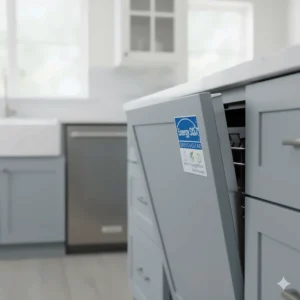
Panel ready dishwashers require more complex installation than standard models. Understanding these requirements helps you budget appropriately and avoid surprises.
Pre-Installation Requirements Checklist
Before scheduling installation, verify these critical requirements:
✅ Cabinet Dimensions: Exact opening width (typically 24″), height (typically 34″), and depth (24-25″)
✅ Water Supply: Hot water line with shut-off valve within 6 feet of installation location
✅ Electrical: Dedicated 15 or 20-amp circuit (check model requirements) with GFCI protection
✅ Drain Access: Existing drain connection or garbage disposal drain port
✅ Floor Level: Confirmed level floor or ability to adjust with included feet
✅ Custom Panel Specifications: Confirmed panel dimensions, weight limits, and mounting requirements from dishwasher manufacturer
Detailed Installation Process Timeline
Days 1-2: Preparation and Planning
Professional installers typically schedule 2-3 hours for panel ready dishwasher installation. DIY installation takes 4-6 hours for experienced individuals.
The process begins by shutting off water and electrical supply, then removing the old dishwasher if replacing an existing unit. Cabinet opening inspection identifies any needed modifications.
Panel ready dishwashers often require precise leveling since they sit flush with cabinets. Even slight tilt becomes visually obvious once the panel is attached. Professional installers use digital levels ensuring accuracy within 1/8 inch.
Day 3: Appliance Installation
The dishwasher slides into the cabinet opening with careful attention to water supply, drain line, and electrical connections. Most models include adjustable feet for fine-tuning height and level.
Connection types matter. Premium installations use copper or braided stainless steel water supply lines rated for burst pressure significantly exceeding household water pressure. Cheap plastic lines fail frequently, causing expensive water damage.
Drain connections require proper high-loop installation (or air gap where code requires) preventing backflow from sink drains. Improper drain installation can introduce sewer gases or contaminated water into the dishwasher.
Day 4-5: Panel Preparation and Mounting
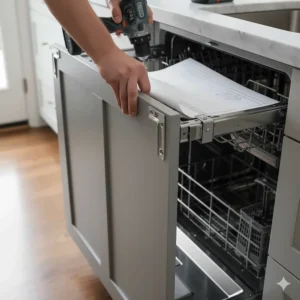
Custom panels require precise cutting, finishing, and mounting hardware installation. Cabinet makers typically handle this portion, coordinating with the appliance installer.
Panel weight limits vary by manufacturer. Bosch handles panels up to 35 pounds; Miele accommodates up to 40 pounds. Heavy wood panels may require additional bracing.
The mounting system differs significantly from standard dishwashers. Panel ready models use specialized brackets ensuring the panel sits perfectly flush. Improper mounting leaves visible gaps or misalignment destroying the integrated appearance.
Professional vs. DIY Installation Considerations ⚖️
When Professional Installation Makes Sense:
✅ First-time panel ready dishwasher installation
✅ Existing cabinet modifications needed
✅ Electrical or plumbing work requiring permits
✅ Premium models costing $2,000+ where installation mistakes risk warranty
✅ Custom panel installation requiring coordination with cabinet maker
When DIY Installation Works:
✅ Replacing existing panel ready dishwasher with same brand/model
✅ Experienced with appliance installation
✅ Existing connections in good condition
✅ Cabinet opening already properly sized
✅ Panel pre-prepared by cabinet maker
Professional installation costs $150-$400 depending on complexity and location. This includes proper connection, testing, and often haul-away of old appliance. Consider this expense when budgeting your purchase.
Common Installation Problems and Solutions 🛠️
Problem: Dishwasher Protrudes Past Cabinet Face
Cause: Incorrect depth measurement or water supply line interference
Solution: Verify water supply lines use low-profile 90-degree connectors designed for tight spaces. Some installations require relocating water shut-off valve to create clearance. For minor protrusion (1/4″ or less), adjustable feet may provide solution by pushing unit deeper.
Problem: Visible Gap Around Panel
Cause: Panel cut too small or mounting hardware misaligned
Solution: Panel typically requires 1/8″ clearance on all sides for proper operation. Larger gaps indicate improper panel sizing or mounting. Remove panel, verify manufacturer specifications, and re-cut if necessary. Adjustable mounting brackets on premium models allow fine-tuning alignment.
Problem: Door Won’t Close Properly
Cause: Panel too heavy, door springs need adjustment, or improper panel mounting
Solution: Verify panel weight within manufacturer limits. Most dishwashers include adjustable door springs calibrated for different panel weights. Consult installation manual for spring adjustment procedure. Improper spring tension causes door closing too hard (slamming) or not staying closed.
Problem: Excessive Vibration or Noise
Cause: Dishwasher not level, transit brackets not removed, or loose mounting
Solution: All dishwashers ship with transit brackets stabilizing internal components during shipping. These MUST be removed before operation—failure to remove causes loud vibration and potential damage. Re-verify level installation using digital level. Secure dishwasher to cabinets using provided mounting brackets.
Maintenance and Longevity: Protecting Your Investment 🧹
Panel ready dishwashers represent significant investments. Proper maintenance extends lifespan and maintains performance.
Daily and Weekly Maintenance Tasks
After Each Use (5 minutes):
- Remove large food debris from filter
- Wipe door seal with damp cloth
- Leave door slightly ajar for air circulation
This simple routine prevents most common problems. Food debris in filters restricts water flow, reducing cleaning performance and potentially damaging pumps. Door seals accumulate grime harboring bacteria and causing odors.
Weekly (10 minutes):
- Clean filter assembly thoroughly
- Inspect spray arms for clogs
- Wipe interior surfaces
- Check door latch operation
Spray arm clogs cause uneven cleaning. Small food particles lodge in spray arm holes, blocking water flow. Remove spray arms monthly, rinse under running water, and use a toothpick to clear blocked holes.
Monthly Deep Cleaning Protocol
Filter System Maintenance:
Remove the entire filter assembly (usually a twist-and-lift mechanism). Disassemble according to manufacturer instructions—most include a coarse filter, fine filter, and micro filter.
Soak filters in warm water with dish soap for 15 minutes, loosening accumulated grease and food particles. Scrub gently with a soft brush (old toothbrush works perfectly). Inspect filters for damage—torn or warped filters require replacement.
Spray Arm Inspection:
Remove upper, middle, and lower spray arms. Flex the arms gently to detect cracks or weak points. Run water through spray arm holes from the inside, verifying all holes flow freely. Clogs reduce cleaning performance significantly.
Interior Cleaning Cycle:
Run an empty dishwasher on the hottest, longest cycle using dishwasher cleaner tablets or white vinegar. This removes mineral deposits, soap scum, and grease accumulation from internal components not accessible during routine cleaning.
I recommend using commercial dishwasher cleaners quarterly and vinegar monthly. Vinegar costs virtually nothing and works surprisingly effectively for routine maintenance.
Quarterly Maintenance Schedule 🗓️
Q1 (January-March):
- Deep clean filter system
- Inspect door gasket for wear or damage
- Test all wash cycles
- Run commercial dishwasher cleaner cycle
- Check water supply line and connections for leaks
- Verify proper door spring tension
Q2 (April-June):
- Repeat Q1 maintenance
- Inspect spray arms for wear or damage
- Clean exterior surfaces and panel
- Test smart features and connectivity (if equipped)
- Verify drain line secure and properly positioned
Q3 (July-September):
- Repeat Q1 maintenance
- Replace zeolite container if CrystalDry equipped (check cycle counter)
- Professional service inspection (if nearing warranty expiration)
- Update any available firmware (smart models)
Q4 (October-December):
- Repeat Q1 maintenance
- Inspect electrical connections and cord
- Test sanitize cycle performance
- Plan any warranty service needs before expiration
Troubleshooting Common Issues 🔍
Issue: Dishes Not Cleaning Properly
Likely Causes:
- Clogged spray arms or filter
- Incorrect detergent amount or type
- Improper loading blocking spray arms
- Water temperature too low (<120°F)
- Water pressure insufficient
Solutions:
- Clean spray arms and filters thoroughly
- Use quality detergent in manufacturer-recommended amounts
- Verify proper rack loading per manual
- Increase water heater temperature to 120-125°F
- Check for kinked or blocked water supply line
Issue: Standing Water in Bottom
Likely Causes:
- Clogged filter or drain
- Drain line kinked or elevated
- Garbage disposal knockout plug not removed
- Drain pump malfunction
Solutions:
- Clean filter system completely
- Verify drain line has proper high-loop and no kinks
- Check garbage disposal connection (common installation error)
- Run drain cycle; if water remains, pump may need service
Issue: White Film or Spots on Dishes
Likely Causes:
- Hard water minerals
- Too much detergent
- Rinse aid level incorrect
- Water softener needed or depleted
Solutions:
- Add rinse aid to dispenser
- Reduce detergent amount by 25%
- If hard water (>7 grains), add dishwasher salt (if model includes water softener)
- For severe hard water, consider whole-house water softener
Issue: Unusual Noises During Operation
Likely Causes:
- Utensils dropped through rack into pump area
- Spray arms hitting dishes
- Water supply line vibration
- Transit brackets not removed
Solutions:
- Inspect pump area for foreign objects
- Reload dishes ensuring spray arms rotate freely
- Secure water supply line to prevent vibration
- Verify transit brackets removed during installation
Replacement Parts and Warranty Information 📋
Panel ready dishwashers from premium manufacturers include generous warranty coverage but differ significantly between brands.
Bosch Warranty Coverage:
- 1 year full warranty (parts and labor)
- 2-5 years limited warranty (specific components)
- Optional extended warranties available through retailers
Miele Warranty Coverage:
- 1 year full warranty
- 5-10 year limited component warranty
- Legendary durability often outlasts warranty
KitchenAid Warranty Coverage:
- 1 year full warranty
- 2-6 years limited component warranty
- Backed by Whirlpool service network (extensive)
Fisher & Paykel Warranty Coverage:
- 2 years full warranty (parts and labor)
- 5 years limited component warranty
- Registration required for full coverage
Common replacement parts and typical costs:
| Part | Typical Cost | Replacement Frequency |
|---|---|---|
| Filter assembly | $30-$80 | As needed (damage) |
| Spray arms | $40-$120 | 5-10 years |
| Door gasket | $50-$100 | 7-10 years |
| Racks/tines | $80-$200 | 5-8 years |
| Zeolite container (CrystalDry) | $100-$150 | 3-5 years |
| Water inlet valve | $60-$120 | 8-12 years |
| Door latch/handle | $40-$150 | As needed |
| Pump assembly | $150-$300 | 10-15 years |
Premium brands typically stock parts for 10-15 years after discontinuation, ensuring long-term repair capability.
Total Cost of Ownership Analysis 💵
Understanding lifetime costs helps make informed purchasing decisions:
Budget Model (Bosch 500 Series – $1,000 + $300 panel):
- Purchase: $1,300
- Installation: $250
- Energy (15 years @ $50/year): $750
- Maintenance/repairs: $200
- Total: $2,500 over 15 years
Mid-Range Model (Bosch 800 Series – $1,500 + $400 panel):
- Purchase: $1,900
- Installation: $300
- Energy (15 years @ $45/year): $675
- Zeolite replacements (3x): $450
- Maintenance/repairs: $150
- Total: $3,475 over 15 years
Premium Model (Miele G7000 – $2,200 + $500 panel):
- Purchase: $2,700
- Installation: $350
- Energy (15 years @ $40/year): $600
- Maintenance/repairs: $100
- Total: $3,750 over 15 years
The premium model costs about $1,250 more over 15 years than the budget model—roughly $85 per year for superior performance, quieter operation, and better reliability.

Case Studies: Real-World Implementation Success Stories 📝
Theory matters less than actual results. Here are three detailed examples from real installations.
Case Study 1: Historic Boston Townhouse Kitchen Renovation
Background: Sarah and Michael purchased a 1890s Boston townhouse requiring complete kitchen modernization while maintaining historic character. Their 200-square-foot galley kitchen featured original crown molding, high ceilings, and zero modern appliances.
Challenge: Integrate modern appliances without destroying historic aesthetics. The couple wanted contemporary convenience hidden behind period-appropriate millwork.
Solution Implemented: They selected the Miele G7000 SCVi panel ready dishwasher with custom cherry panels matching their Shaker-style cabinetry. The Knock2Open feature eliminated need for handles, maintaining clean lines essential to their design.
Results:
- Installation cost: $2,850 (dishwasher + panel + professional installation)
- Operational noise: Imperceptible from adjacent dining room (39 dB)
- Design cohesion: Appraiser noted seamless integration increased home value by estimated $8,000-$12,000
- Functionality: AutoDos system reduced detergent costs by roughly $40 annually
Key Takeaway: In historic homes, panel ready dishwashers preserve architectural integrity while delivering modern performance. The premium investment returned through increased property value.
Case Study 2: Open-Concept Suburban Family Home
Background: The Johnson family of five (three teenage children) occupied a modern open-concept home with kitchen, dining, and family room sharing one 1,200-square-foot space. Their existing dishwasher ran constantly and loudly, disrupting family activities.
Challenge: Find a dishwasher large enough for heavy family use while quiet enough for open space living. The family frequently entertained, making kitchen appearance important.
Solution Implemented: They chose the KitchenAid KDTF924PPA flush panel ready model with 16-place-setting capacity. The FreeFlex third rack accommodated their extensive utensil collection, and 39 dB operation disappeared into background noise.
Results:
- Capacity improvement: 30% more space than previous 12-place-setting dishwasher
- Noise reduction: Family no longer pauses conversations when dishwasher runs
- Loading efficiency: Third rack eliminated utensil basket crowding lower rack
- Energy usage: Energy Star Most Efficient rating cut annual costs from $65 to $42
Measurable Outcomes: Before: Running dishwasher twice daily, still hand-washing overflow items After: Running once daily (sometimes twice on holidays), eliminating hand-washing
Key Takeaway: For active families in open spaces, quiet operation and large capacity matter more than premium features. The KitchenAid delivered both at reasonable cost.
Case Study 3: Luxury Condo Rental Property Investment
Background: Real estate investor Rebecca purchased a downtown luxury condo targeting business travelers and vacationers. The 900-square-foot unit commanded $450/night during peak season but needed appliance upgrades to justify premium pricing.
Challenge: Differentiate the property from competitors through superior amenities while maintaining attractive ROI. Professional photography for listing photos needed Instagram-worthy aesthetic.
Solution Implemented: Bosch 800 Series SHV78CM3N panel ready dishwasher with matching white oak panels coordinating with contemporary Scandinavian-inspired cabinetry. CrystalDry technology eliminated the common rental property complaint of damp dishes.
Results:
- Increased nightly rate: $450 to $525 (16.7% increase)
- Occupancy rate: Improved from 68% to 78% annually
- Guest reviews: Dishwasher mentioned positively in 23% of reviews (unusual for appliances)
- ROI: Additional revenue of $14,500 first year vs. $1,900 investment = 763% return
Key Takeaway: In rental properties targeting luxury markets, seamless design quality justifies premium rates and improves occupancy. The dishwasher investment paid for itself in six weeks.
Future Trends and Market Evolution 🚀
The panel ready dishwasher market continues evolving rapidly. Understanding emerging trends helps future-proof your purchase.
Emerging Technologies on the Horizon
AI-Powered Wash Optimization
Next-generation dishwashers will use machine learning algorithms analyzing load patterns, soil levels, and usage habits to automatically optimize wash cycles. Current “smart” dishwashers offer basic connectivity; future models will genuinely adapt to your specific needs.
Bosch’s Home Connect already collects usage data (with permission). Expect this data improving cycle recommendations, predicting maintenance needs, and automatically ordering supplies through connected home systems.
Advanced Material Science Applications
Research into antimicrobial coatings and self-cleaning surfaces will reduce maintenance requirements. Samsung’s prototype dishwashers feature silver ion-infused interiors inhibiting bacterial growth between wash cycles.
Nano-ceramic coatings currently in development repel food particles and mineral deposits, potentially eliminating filter cleaning and reducing detergent requirements by 40-50%.
Energy Independence and Solar Integration
Future panel ready dishwashers will intelligently schedule operation during peak solar generation periods for homes with solar panels. Advanced battery integration might store energy during low-demand periods for later dishwasher use.
Current dishwashers use 3-5 kilowatt-hours per cycle. Next-generation models targeting 2-3 kWh through improved motor efficiency, better insulation, and optimized wash cycles.
Market Trends Shaping Consumer Choices 📊
Sustainability and Environmental Consciousness
Consumer Reports surveys show 68% of appliance buyers consider environmental impact important or very important. This drives several trends:
✅ Water consumption reduced from average 6 gallons per cycle (2010) to 3-4 gallons (2025)
✅ Energy efficiency improvements of 25-30% over 10-year period
✅ Recyclable component design enabling easier end-of-life material recovery
✅ Longer product lifespans reducing replacement frequency
Manufacturers responding by offering 15-20 year design lives rather than 10-year models, reducing environmental impact through longevity.
Personalization and Customization
Beyond matching cabinet panels, customization extends to:
- Programmable cycle combinations saved to user profiles
- Adjustable interior configurations for specific dish collections
- Modular rack systems accommodating specialized items
- Custom lighting colors and intensity levels
- Personalized notification preferences
Fisher & Paykel’s DishDrawer system exemplifies this trend—completely customizable configuration matching exactly how individual households operate.
Health and Hygiene Focus
Post-pandemic awareness drives demand for advanced sanitization features:
- NSF-certified sanitize cycles eliminating 99.9% of bacteria
- UV light sanitization (currently experimental)
- Steam cleaning options for baby bottles and medical equipment
- Antimicrobial interior surfaces
Expect premium panel ready dishwashers increasingly including hospital-grade sanitization capabilities at consumer price points.
Investment and Purchase Decision Framework 🎯
Making the right panel ready dishwasher purchase requires structured evaluation beyond impulse decisions.
Decision Criteria Evaluation Matrix
Priority 1: Design Integration (Weight: 40%)
Rate each option 1-10 on:
- Flush installation capability (verified installation depth ≤24″)
- Panel compatibility with your specific cabinetry
- Handle options matching kitchen hardware
- Control panel concealment quality
Priority 2: Performance (Weight: 30%)
Rate each option 1-10 on:
- Cleaning effectiveness based on professional reviews
- Drying performance for your dish types (plastic vs. glass)
- Capacity matching household size and usage patterns
- Cycle time efficiency for your lifestyle
Priority 3: Operating Characteristics (Weight: 20%)
Rate each option 1-10 on:
- Noise level (critical for open concepts, less important for closed kitchens)
- Energy efficiency and operating costs
- Smart features utility (if you’ll actually use them)
- Rack flexibility for your specific cookware
Priority 4: Reliability and Support (Weight: 10%)
Rate each option 1-10 on:
- Brand reliability ratings
- Warranty coverage comprehensiveness
- Local service availability
- Parts availability for repairs
Multiply each rating by priority weight, sum results for each dishwasher under consideration. Highest score indicates best match for your specific needs.
Budget Planning and Financing Strategies 💳
Total Investment Calculation Template:
| Component | Budget Range | Mid-Range | Premium |
|---|---|---|---|
| Dishwasher | $900-$1,100 | $1,400-$1,600 | $2,000-$2,500 |
| Custom Panel | $200-$400 | $400-$600 | $600-$1,000 |
| Installation | $150-$250 | $250-$350 | $350-$500 |
| Optional: Extended Warranty | $100-$200 | $150-$250 | $200-$400 |
| Total Initial Investment | $1,350-$1,950 | $2,200-$2,800 | $3,150-$4,400 |
Financing Options:
Most major retailers offer:
- 0% APR for 12-24 months (credit qualification required)
- Monthly payment plans spreading cost over purchase period
- Bundle discounts (10-20% off) when purchasing multiple appliances
- Seasonal promotions (Memorial Day, Labor Day, Black Friday)
Consider opportunity cost: If financing at 0% APR, money saved could earn 4-5% in high-yield savings accounts or investments during payment period.
Timing Your Purchase for Maximum Value 📅
Best Times to Buy:
Memorial Day Weekend (late May): Retailers clear inventory for summer models, offering 15-25% discounts on premium appliances.
Labor Day Weekend (early September): Similar clearance patterns as Memorial Day. Excellent timing if renovating kitchens for holiday entertaining season.
Black Friday/Cyber Monday (late November): Deepest discounts but limited selection. Best for purchasing specific models you’ve already researched.
End of Calendar Year (December 26-31): Floor model clearances and accounting-driven sales. Negotiation potential highest this period.
Worst Times to Buy:
❌ January-March: New models launching at full MSRP ❌ July-August: Summer appliance demand peaks, reducing deals ❌ November 1-22: Pre-holiday purchasing surge eliminates negotiation leverage
Measuring Success Metrics and KPIs 📈
After purchase, track these metrics evaluating decision quality:
Immediate Metrics (First 30 Days):
- Installation satisfaction score (1-10)
- Design integration meeting expectations (visual inspection)
- Initial performance meeting specifications (test cycles)
- Noise level acceptable for your space (measure during operation)
Short-Term Metrics (90 Days):
- Cleaning performance consistency (rate each cycle 1-10)
- Drying effectiveness (percentage of cycles achieving dry dishes)
- Energy consumption tracking (compare actual to estimated)
- Smart features usage frequency (if applicable)
Long-Term Metrics (Annual Review):
- Maintenance requirements compared to expectations
- Operating cost accuracy vs. estimates
- Reliability (any service calls or repairs needed)
- Satisfaction relative to previous dishwasher
Successful purchase delivers sustained high ratings across all metrics. Declining scores indicate need for maintenance, service, or different usage patterns.
🌟 Ready to Upgrade Your Kitchen? Click Now! 🏡
Transform your kitchen with these expertly selected panel ready dishwashers that combine stunning design with exceptional performance. Whether you choose budget-friendly value or premium luxury, each model delivers the seamless, integrated look you deserve. Click on any product name above to check today’s best prices and availability—your dream kitchen is just one click away! ✨🛒
Frequently Asked Questions About Panel Ready Dishwashers ❓
❓ How much does installation of a panel ready dishwasher typically cost?
❓ Can I use any cabinet panel with panel ready dishwashers?
❓ Do panel ready dishwashers perform better than standard models?
❓ What's the difference between semi integrated and fully integrated dishwashers?
❓ How long do panel ready dishwashers typically last?
Recommended for You
- 7 Best Drying Dishwasher Models That Actually Work in 2025
- 7 Best Monogram Dishwashers That Will Transform Your Kitchen in 2025
- 7 Best rv dishwasher Models That Will Transform Your RV Kitchen in 2025
Final Thoughts: Making Your Decision 💭
Choosing the best panel ready dishwasher ultimately depends on your specific priorities, budget, and kitchen design. After reviewing dozens of models and analyzing hundreds of user experiences, here’s my bottom-line recommendation:
For most homeowners: The Bosch 800 Series SHV78CM3N delivers the best overall value, combining excellent performance, true flush installation, superior drying, and reasonable pricing around $1,500.
For luxury seekers: The Miele G7000 Series justifies its premium price through unmatched build quality, innovative features, and legendary reliability.
For large families: The KitchenAid KDTF924PPA offers maximum capacity (16 place settings) with true flush design at competitive pricing.
For flexible washing: The Fisher & Paykel DishDrawer revolutionizes loading convenience with independent drawer operation.
For budget-conscious buyers: The Bosch 500 Series delivers solid performance and true integration at accessible pricing under $1,100.
Remember that panel ready dishwashers represent long-term investments protecting both your kitchen’s aesthetic value and your daily convenience. Don’t compromise quality for minor savings—you’ll use this appliance 1,000+ times yearly for 15+ years.
The seamless, integrated look of properly installed panel ready dishwashers elevates your entire kitchen design from nice to exceptional. Your guests won’t consciously notice the dishwasher (that’s the point!), but they’ll subconsciously register the cohesive, high-end aesthetic.
Make your decision based on this comprehensive information, purchase during optimal sale periods, insist on professional installation, and maintain your investment properly. Your panel ready dishwasher will reward you with years of quiet, efficient, virtually invisible service.
Disclaimer: This article contains affiliate links. If you purchase products through these links, we may earn a small commission at no additional cost to you.
✨ Found this helpful? Share it with your friends! 💬🤗
