
In This Article
✨Was this helpful? Spread the word! 🚀
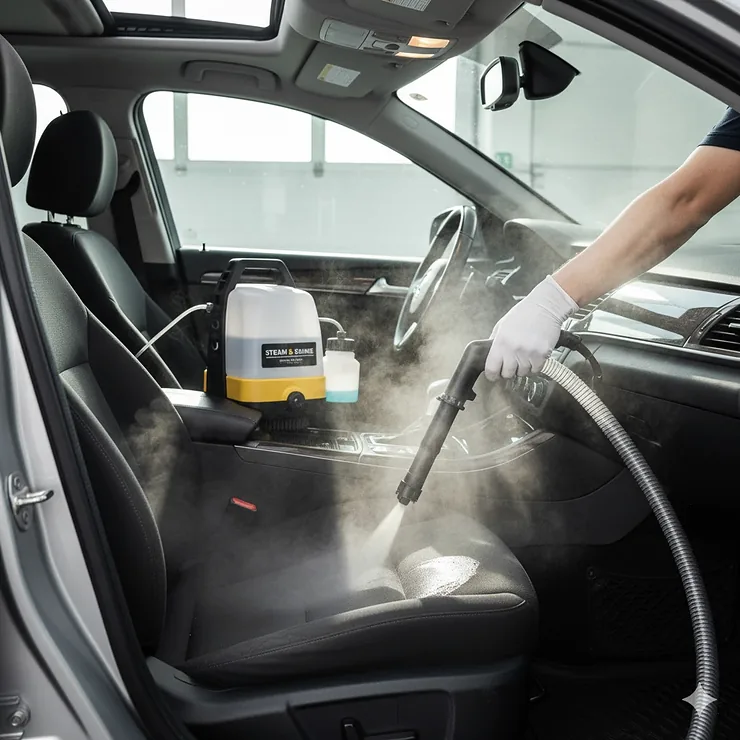
Listen, I’ve been down the rabbit hole of car cleaning gadgets. You know that feeling when you spend an entire Saturday scrubbing your car’s interior, only to find mysterious stains laughing back at you? That’s where an automotive steam vacuum cleaner becomes your new best friend. These machines aren’t just fancy toys—they’re legitimate game-changers for anyone who cares about keeping their vehicle pristine.
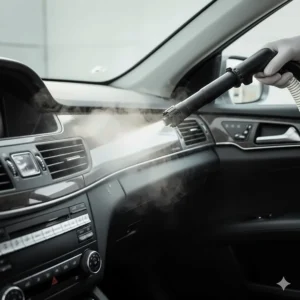
What is automotive steam vacuum cleaner technology, anyway? Simply put, it combines the sanitizing power of high-temperature steam with the extraction capabilities of a vacuum cleaner. The steam loosens dirt, grime, and stubborn stains while the vacuum immediately sucks everything away. No more soaking wet seats that take hours to dry. No more harsh chemicals that make your eyes water. Professional detailers have embraced steam cleaning technology because it can remove up to 99.9 percent of bacteria from surfaces while being gentle enough for delicate automotive materials.
However, choosing the right steam vacuum cleaner for automotive use requires understanding your specific needs. Are you a weekend warrior who details your own ride occasionally? Maybe you’re running a side hustle detailing business? Perhaps you just want something that’ll tackle those coffee spills before they become permanent features. Whatever your situation, I’ve tested and researched enough machines to save you from expensive mistakes. Let’s dive into what makes these machines tick and which ones actually deliver on their promises.
Quick Comparison Table
| Product | Steam Temp | Tank Size | Runtime | Best For | Price Range |
|---|---|---|---|---|---|
| Bissell Little Green HydroSteam 3618 | 212°F | 64 oz | 30 min | Versatile cleaning | $140-$170 |
| Wagner 915e | 212°F | 40 oz | 40 min | Budget-conscious | $145-$165 |
| McCulloch MC1275 | 212°F | 48 oz | 45 min | Heavy-duty use | $120-$150 |
| Dupray Neat | 275°F | 54 oz | 50 min | Premium quality | $180-$220 |
| McCulloch MC1385 | 212°F | 64 oz | 120 min | Extended sessions | $180-$210 |
| Hoover CleanSlate Plus FH14050 | N/A | 40 oz | Variable | Spot cleaning | $110-$140 |
| AMMO US Steam Vacuum | 300°F | 128 oz | 60+ min | Professional detailing | $1,200+ |
💬 Just one click – help others make better buying decisions too!😊
🚗 Ready to Transform Your Car Cleaning Routine?
The automotive steam vacuum cleaner market exploded in recent years, and for good reason. These machines save time, eliminate chemical dependency, and produce results that make your car look showroom-fresh. Whether you’re tackling ancient coffee stains or just maintaining that new-car smell, the right equipment makes all the difference.
Top 7 Automotive Steam Vacuum Cleaners: Expert Analysis
1. Bissell Little Green HydroSteam 3618 – Best Overall
I’ll admit, when I first unboxed the Bissell Little Green HydroSteam 3618, I was skeptical. Another “revolutionary” cleaning gadget? But this machine genuinely impressed me. The HydroSteam technology delivers up to 50% better cleaning performance on tough, oily stains compared to traditional methods.
Key Specifications:
- 3 cleaning modes (SteamWash, Steam, and Wash)
- 64 oz clean tank capacity
- Dries upholstery in approximately 25-30 minutes
- Includes 5″ Tough Stain Tool and Multi-Surface Tool
Customer Feedback: Users consistently praise this automotive steam vacuum cleaner for its effectiveness on pet accidents and stubborn automotive stains. One reviewer mentioned successfully removing years-old chocolate melted into seat crevices. The quick-drying feature gets mentioned frequently—nobody wants damp car seats for hours.
✅ Pros:
- Multiple cleaning modes for different surfaces
- Fast drying time perfect for automotive interiors
- Relatively compact and portable
❌ Cons:
- Steam power could be stronger for heavy-duty detailing
- Some users report weak suction compared to professional units
Price: $140-$170 | Best For: Home users and automotive enthusiasts who want versatility
2. Wagner 915e – Best Budget Option
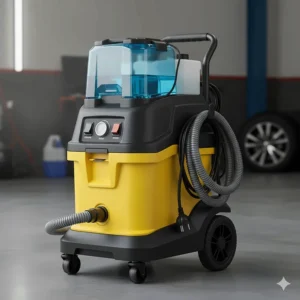
Sometimes the best tool isn’t the fanciest—it’s the one that gets the job done without emptying your wallet. The Wagner 915e delivers solid performance at a price point that won’t make you wince. This multipurpose steamer heats up in under 9 minutes and provides 40 continuous minutes of cleaning power from its 40 oz tank.
Key Specifications:
- 1500 watts of power
- 18 included accessories and nozzles
- 8-foot steam hose for extended reach
- Chemical-free steam at 212°F
Customer Feedback: With over 19,000 reviews on Amazon, the Wagner has earned its popularity. Customers appreciate the variety of attachments and find it effective for both automotive interiors and home use. Several reviewers mentioned using it successfully for removing window tint and cleaning engine bays.
✅ Pros:
- Excellent value with numerous attachments
- Long steam hose reaches all vehicle areas
- Reliable performance for the price
❌ Cons:
- Lacks integrated vacuum function
- Limited on-board storage for accessories
Price: $145-$165 | Best For: DIY enthusiasts on a budget who already own a separate vacuum
3. McCulloch MC1275 – Best for Heavy-Duty Cleaning
The McCulloch MC1275 features a large 48-ounce water tank that heats up in under 8 minutes and delivers up to 45 minutes of continuous steam at 43 PSI pressure. This machine means business—it’s built like a tank and performs accordingly.
Key Specifications:
- 1500 watts heating power
- 18 versatile accessories included
- Extra-long 15.7-foot power cord
- 9-foot steam hose for superior reach
Customer Feedback: Professional detailers and serious hobbyists swear by this model. Users report excellent performance on grout, carpet stains, and automotive upholstery. The lockable steam trigger gets praise for reducing hand fatigue during extended cleaning sessions.
✅ Pros:
- Excellent build quality and durability
- Long runtime perfect for full vehicle detailing
- Superior reach with extended cord and hose
❌ Cons:
- Heavier than compact models
- No built-in vacuum extraction
Price: $120-$150 | Best For: Serious automotive enthusiasts and small detailing businesses
4. Dupray Neat – Premium Steam Performance
Want the Rolls-Royce of steam cleaners? The Dupray Neat delivers premium performance that justifies its higher price tag. This powerhouse produces superheated steam up to 275°F and includes a comprehensive 17-piece accessory kit.
Key Specifications:
- Superheated steam reaches 275°F
- 54 oz tank capacity
- 50 minutes of continuous cleaning
- 7-minute heat-up time
Customer Feedback: Dupray owners become evangelists. The higher steam temperature tackles jobs other machines struggle with, particularly baked-on grime and sanitization needs. Users appreciate the portable design and retractable handle for easy storage and transport.
✅ Pros:
- Hottest steam output in consumer category
- Kills 99.9% of bacteria and viruses
- Exceptional build quality with warranty support
❌ Cons:
- Higher price point than competitors
- No integrated vacuum function
Price: $180-$220 | Best For: Detail perfectionists and those with chemical sensitivities
5. McCulloch MC1385 Deluxe – Extended Runtime Champion
Sometimes you need marathon cleaning power, not a sprint. The MC1385 features a massive 64-ounce water tank that provides up to 120 minutes of continuous steam—perfect for tackling multiple vehicles or comprehensive detailing sessions.
Key Specifications:
- 2-hour continuous steam runtime
- 23 versatile accessories
- 58 PSI steam pressure
- Variable steam control
Customer Feedback: This automotive steam vacuum cleaner alternative gets love from users who need serious capacity. Reviewers mention cleaning entire vehicle interiors plus home surfaces without refilling. The onboard storage and cord wrap features make it more convenient than smaller models.
✅ Pros:
- Longest runtime in consumer category
- Most comprehensive accessory package
- Professional-grade performance
❌ Cons:
- Longer 12-minute heat-up time
- Heavier and less portable
Price: $180-$210 | Best For: Multi-vehicle households and weekend detailing enthusiasts
6. Hoover CleanSlate Plus FH14050 – Best for Spot Cleaning
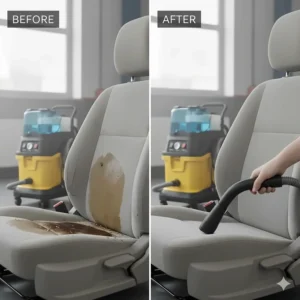
While not a true steam machine, the Hoover CleanSlate deserves mention as an automotive vacuum cleaner option. It combines powerful suction with hot water extraction, featuring a 40 oz dual-tank system and versatile cleaning tools.
Key Specifications:
- Dual tank technology (40 oz clean capacity)
- 7″ WidePath tool for large areas
- TightSpot tool for crevices
- Hose rinse system
Customer Feedback: Users love the portability and ease of use for quick cleanups. The machine excels at spot treatment for spills and pet accidents. Parents particularly appreciate how fast it tackles kid messes in family vehicles.
✅ Pros:
- Lightweight and highly portable
- Excellent for immediate spill response
- Easy cleanup with hose rinse feature
❌ Cons:
- Not a true steam cleaner
- Limited capacity for full vehicle detailing
Price: $110-$140 | Best For: Quick spot cleaning and maintenance between full details
7. AMMO US Steam Vacuum – Professional Grade
For those absolutely serious about automotive detailing, the AMMO US Steam Vacuum combines steam cleaning with vacuum extraction in one professional-grade unit. It produces steam up to 300°F at 65 PSI and reduces drying time to under an hour.
Key Specifications:
- Dual-tank boiler system
- 128 oz capacity (1 gallon)
- Ready in 5 minutes
- 24-foot working radius
Customer Feedback: Professional detailers rave about this machine’s performance. Users report extracting shocking amounts of dirt from “clean” carpets and achieving results impossible with consumer units. The Ferrari Red cart adds a touch of style to the serious performance.
✅ Pros:
- True professional-grade performance
- Integrated steam and vacuum extraction
- Fastest heat-up time in class
❌ Cons:
- Professional price point ($1,200+)
- Sold directly from AMMO NYC, not Amazon
Price: $1,200+ | Best For: Professional detailers and serious automotive collectors
🔥 Don’t Wait—Upgrade Your Car Cleaning Game Today! 🚗✨
These automotive steam vacuum cleaner options represent the best currently available. Whether you’re budget-conscious or ready to invest in professional-grade equipment, there’s a perfect match for your needs. Click the highlighted products above to check current availability and pricing!
Understanding Automotive Steam Vacuum Cleaner Technology
The science behind these machines fascinates me. Here’s the thing: traditional cleaning methods either scrub mechanically or rely on chemical reactions. Steam cleaners take a different approach entirely. They use thermal energy to break molecular bonds between dirt and surfaces. Sounds fancy, right? But it’s actually straightforward.
How Steam Cleaning Works in Automotive Applications
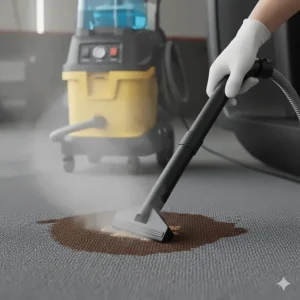
When water heats beyond its boiling point in a pressurized environment, it transforms into superheated steam. This steam carries tremendous energy that, upon contact with surfaces, causes rapid expansion and contraction of dirt particles. The result? Grime literally releases its grip on your car’s surfaces. Adding vacuum extraction to this process means you’re simultaneously loosening and removing contaminants—hence why automotive steam vacuum cleaners work so efficiently.
Professional detailers have documented that steam cleaning effectively removes stains from upholstery and carpets, including challenging messes like sticky substances and stubborn residues. The heat also provides sanitization benefits without chemical residues. For families with kids or pets, this matters tremendously.
Temperature and Pressure: What Really Matters
Not all steam is created equal. Consumer-grade automotive steam vacuum cleaners typically operate between 212°F and 275°F. Professional units like the AMMO system push 300°F. Higher temperatures mean better sanitization and faster dirt dissolution, but they also require more careful handling to avoid damaging sensitive automotive materials.
Pressure matters too. Most consumer units deliver 40-60 PSI, while professional systems exceed 65 PSI. According to research from cleaning industry experts, higher pressure improves cleaning efficiency but must be balanced against potential surface damage.
Benefits of Using Automotive Steam Vacuum Cleaners
Chemical-Free Cleaning for Healthier Vehicles
I used to keep a cabinet full of specialized automotive cleaners—leather cleaner, fabric protector, vinyl shine, glass cleaner. Now? I mostly use steam and water. This shift isn’t just about convenience; it’s about health. Many traditional automotive cleaning products contain volatile organic compounds (VOCs) that linger in enclosed vehicle spaces. Steam cleaning eliminates this concern entirely.
Cost-Effectiveness Over Time
Yes, quality automotive steam vacuum cleaners require upfront investment. But calculate the ongoing costs of bottled cleaners, and the math changes quickly. A single steam cleaner using tap water can replace dozens of specialized products. Over a year of regular vehicle maintenance, you’ll likely save $200-$400 on cleaning supplies alone.
Versatility Beyond Automotive Use
Here’s a bonus most people don’t consider: these machines aren’t limited to cars. Your automotive steam vacuum cleaner works equally well on home carpets, bathroom tiles, kitchen appliances, and outdoor furniture. Steam cleaners have proven effective across multiple surfaces including ceramic tile, grout, sealed wood floors, and various automotive materials. One tool, countless applications.
Time Savings in Detailing
Traditional automotive cleaning might require applying products, waiting for dwell time, scrubbing, and then extraction. Steam cleaning condenses these steps. You’re simultaneously cleaning and sanitizing while reducing drying time significantly. A full interior detail that once took 4-5 hours can shrink to 2-3 hours with an efficient automotive steam vacuum cleaner.
Choosing the Right Automotive Steam Vacuum Cleaner
Assessing Your Specific Needs
Before dropping cash on equipment, get honest about your use case. Detailing your personal vehicle monthly? A mid-range option like the McCulloch MC1275 makes perfect sense. Running a mobile detailing business? Consider professional-grade units despite higher costs—they’ll pay for themselves quickly through efficiency gains and superior results.
Think about your typical cleaning challenges too. Pet owners need strong extraction capabilities. Classic car enthusiasts working with delicate materials should prioritize adjustable steam output. Family vehicle owners dealing with constant kid messes benefit from quick heat-up times and portable designs.
Tank Capacity and Runtime Considerations
Tank size directly impacts how long you can work before refilling. For automotive steam vacuum cleaner use, I recommend minimum 40 oz capacity. Smaller tanks mean constant interruptions—frustrating when you’re in the zone. Larger 60+ oz tanks enable complete vehicle details without refilling, crucial for professional applications.
However, bigger tanks mean heavier machines. Balance capacity against portability based on your physical capabilities and storage space. An 80 oz tank sounds great until you’re lugging it up stairs.
Power and Performance Metrics
Wattage indicates heating capability. Most effective automotive steam vacuum cleaners operate between 1400-1600 watts. This power level provides quick heat-up times (under 10 minutes) and sustained steam production. Units below 1200 watts might struggle maintaining consistent performance during extended sessions.
Heat-up time matters more than many realize. The difference between 5-minute and 15-minute heat-up means wasted time on every use. Over a year, that adds hours of idle waiting. Professional-grade systems typically heat fastest, but even among consumer models, significant variation exists.
Accessory Package Evaluation
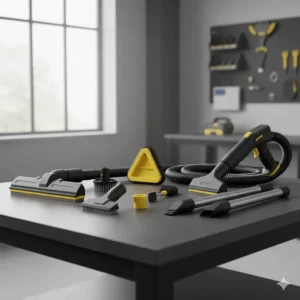
Attachments transform a basic steamer into a versatile automotive steam vacuum cleaner system. Essential accessories include:
✅ Triangle brushes for corners and crevices
✅ Wide-path tools for large surface areas
✅ Brass brushes for tough grime (use carefully on delicate surfaces)
✅ Extension wands for reach
✅ Microfiber pads for absorption and polishing
Some manufacturers include 15-20+ pieces, while others provide minimal basics. Consider whether included accessories actually suit automotive applications—some generic home-focused attachments prove awkward for vehicle detailing.
How to Use an Automotive Steam Vacuum Cleaner Safely
Pre-Cleaning Preparation
Success starts before you power on your automotive steam vacuum cleaner. First, thoroughly vacuum loose debris. Steam works by lifting embedded dirt, but it won’t magically remove coins, wrappers, or loose particles. Pre-vacuuming also prevents creating muddy slurries that smear rather than clean.
Remove or protect electronic components. While steam cleaning is generally safe, direct sustained contact with sensitive electronics can cause issues. Cover displays, audio components, and electrical connections with microfiber cloths during nearby cleaning.
Test surfaces in inconspicuous areas first. Most automotive materials handle steam well, but always verify. This especially applies to aftermarket modifications, vinyl wraps, or older vehicles with potentially compromised materials.
Proper Technique for Automotive Surfaces
Distance matters tremendously. Hold the steam nozzle 2-4 inches from surfaces for optimal results. Too close risks damage from concentrated heat; too far reduces effectiveness as steam cools rapidly. Professional detailers recommend working methodically from top to bottom to prevent recontamination of cleaned surfaces.
Keep the steam in motion. Stationary application can saturate or damage materials. Use sweeping motions, allowing brief steam bursts followed by immediate extraction or wiping. For stubborn stains, multiple light passes beat one aggressive application.
Material-Specific Considerations
Leather and Vinyl: These materials tolerate steam well but require moderation. Use lower pressure settings and brief applications. Follow immediately with appropriate conditioning products to prevent drying.
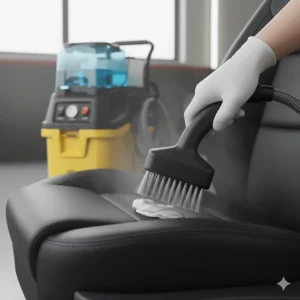
Fabric Upholstery: Automotive steam vacuum cleaners excel here. Work in overlapping sections, extracting moisture as you progress. The key is balancing moisture application with removal to prevent oversaturation.
Hard Plastics: These handle steam easily. Focus on textured areas where dirt accumulates. Be cautious near plastic chrome trim—excessive heat can cause warping.
Glass: Steam produces streak-free results on automotive glass when properly applied. Use squeegee attachments and microfiber cloths for best results. For detailed guidance on automotive glass cleaning, check this comprehensive resource from the Glass Association of North America.
Maintenance and Care for Your Steam Cleaner
Regular Cleaning and Descaling
Ironically, cleaning equipment needs cleaning. Your automotive steam vacuum cleaner accumulates mineral deposits from tap water over time. These deposits reduce efficiency and can eventually damage internal components. Descale monthly if you use hard water, quarterly with soft water.
Most manufacturers recommend white vinegar solutions for descaling. Run diluted vinegar through the system, let sit for 30 minutes, then flush thoroughly with clean water. Some units require specific descaling products—check your manual before improvising.
Storage Best Practices
Never store your automotive steam vacuum cleaner with water in the tank. Residual moisture promotes bacterial growth and mineral deposit formation. After each use, drain completely and run a brief steam cycle to clear internal lines.
Store in climate-controlled spaces when possible. Extreme cold can damage seals and connections; extreme heat can degrade plastic components and hoses. Hang hoses loosely to prevent kinking—compressed hoses develop weak spots that eventually leak.
Accessory Care and Organization
Those countless attachments scattered everywhere? Organize them. Create a dedicated storage system—many users repurpose tool organizers or tackle boxes. Label storage compartments to speed workflow when detailing.
Clean attachments after each use. Brushes accumulate grime and bacteria; microfiber pads should be laundered regularly. Replace worn attachments promptly—damaged tools reduce effectiveness and can damage automotive surfaces.
Comparing Steam Cleaners to Traditional Methods
| Aspect | Automotive Steam Vacuum Cleaner | Traditional Wet/Dry Vac | Chemical Cleaners |
|---|---|---|---|
| Chemical Usage | None required | Minimal | Heavy reliance |
| Sanitization | 99.9% bacteria elimination | Limited | Variable |
| Drying Time | 30-60 minutes | 2-4 hours | 1-2 hours |
| Environmental Impact | Minimal | Low | Moderate to high |
| Surface Safety | High (when used properly) | Moderate | Variable by product |
| Versatility | Multi-surface capability | Limited | Product-specific |
| Long-term Cost | Low operational cost | Moderate | High ongoing expense |
Troubleshooting Common Issues
Weak or No Steam Production
This frustrates users constantly. First, check obvious culprits: water level, power connections, heating element function. If basics check out, descaling likely solves the problem. Mineral buildup restricts steam production more than any other factor in automotive steam vacuum cleaners.
Sometimes the issue isn’t malfunction but unrealistic expectations. Consumer units take time reaching optimal pressure. Wait the full recommended heat-up period before judging performance. Also, steam diminishes visibility as distance from nozzle increases—what looks weak might actually be working correctly.
Water Leaking from Connections
Leaks typically indicate worn seals or loose connections. Inspect all hose attachments and tank seals. Most parts are user-replaceable and inexpensive. Tighten connections carefully—overtightening damages threads and worsens problems.
For persistent leaks, examine the hose itself. Kinks and compression create weak spots that eventually rupture. Replace damaged hoses immediately—leaking units waste water, reduce performance, and can damage vehicle interiors.
Poor Extraction or Suction
If your automotive steam vacuum cleaner’s extraction suddenly weakens, check filters first. Clogged filters slash suction power dramatically. Clean or replace filters according to manufacturer schedules—monthly for heavy use, quarterly for occasional use.
Verify hose pathways remain clear. Hair, debris, and hardened grime can create partial blockages that reduce suction. Disconnect hoses and visually inspect entire length. A straightened coat hanger or plumbing snake clears most obstructions.
Professional vs. Consumer Grade Equipment
When to Upgrade from Consumer Models
Consumer automotive steam vacuum cleaners serve most users excellently. However, certain situations justify professional equipment investment. If you’re detailing multiple vehicles weekly, professional durability and performance become cost-effective. The time savings from faster heat-up, longer runtime, and superior extraction compound rapidly.
Professional detailers need consistency. Consumer units work wonderfully—until they don’t. Professional equipment includes better warranties, readily available replacement parts, and manufacturer support. When your livelihood depends on equipment reliability, these factors matter enormously.
Cost-Benefit Analysis
A $150 consumer model versus a $1,200 professional unit seems like an obvious choice—until you calculate long-term value. Professional equipment typically lasts 5-10 years with proper maintenance, while consumer models average 2-4 years. Professional units also command premium pricing when detailing, potentially adding $50-100 per job.
For personal use on 1-2 vehicles, consumer automotive steam vacuum cleaners make perfect sense. For businesses detailing 3+ vehicles weekly, professional equipment pays for itself within 6-12 months through efficiency gains and reduced replacement costs.
Features That Matter for Professionals
Professional automotive steam vacuum cleaners offer capabilities consumer units lack: continuous-fill capability, higher steam temperatures, integrated extraction systems, and commercial-grade warranties. These features dramatically impact productivity.
Temperature control matters professionally. Different materials and contamination types respond to specific temperature ranges. Adjustable output lets professionals optimize cleaning without risking damage. Consumer units typically offer binary on/off control.
Environmental Benefits of Steam Cleaning
The automotive industry generates massive chemical waste through traditional cleaning methods. Steam cleaning reduces this impact significantly. Using only water, these machines eliminate chemical runoff concerns while maintaining professional results.
Energy consumption deserves consideration too. While automotive steam vacuum cleaners use electricity, they eliminate manufacturing, packaging, and transporting chemical products. According to EPA studies on green cleaning practices, steam cleaning can reduce environmental impact by 80-90% compared to conventional methods.
Water usage is surprisingly efficient. An automotive steam vacuum cleaner uses far less water than traditional washing methods. The steam’s moisture content is minimal, and quality machines recycle extracted water through filtration. A full vehicle detail might consume 1-2 gallons versus 10-20 gallons for traditional methods.
Budget-Friendly Tips for Car Detailing
Maximizing Your Equipment Investment
Your automotive steam vacuum cleaner can do more than you think. Experiment with different attachment combinations. That brush attachment you never use? Try it on wheel wells. The squeegee gathering dust? Perfect for vinyl wraps.
Create cleaning solution concentrates compatible with steam. While steam alone works remarkably well, adding minimal cleaner to particularly stubborn situations amplifies results. A single bottle of concentrate might last years, dramatically reducing cleaning costs compared to ready-to-use products.
DIY Maintenance to Extend Lifespan
Manufacturer service costs add up quickly. Learn basic maintenance: replacing seals, cleaning valves, and descaling procedures. YouTube tutorials exist for most popular models. An hour learning basic maintenance saves hundreds in service fees.
Keep detailed maintenance logs. Track descaling schedules, hours of operation, and any issues. This information helps identify patterns and prevents major failures. Plus, documented maintenance improves resale value when upgrading equipment.
Strategic Timing for Purchases
Automotive steam vacuum cleaner prices fluctuate significantly. Black Friday and Prime Day offer substantial discounts—20-40% off common. End-of-season sales (late summer/early fall) also feature promotions as manufacturers clear inventory for new models.
Consider previous-generation models. When manufacturers release updated versions, older models see price cuts despite minimal functional differences. That “new” model might just feature cosmetic updates while the previous version performs identically at 30% less cost.
Advanced Techniques for Professional Results
Layered Cleaning Approach
Professional detailers rarely rely on steam alone. They employ strategic layering: light pre-treatment, steam application, agitation, extraction, and protection. This systematic approach delivers transformative results impossible with single-step methods.
For automotive steam vacuum cleaner work, pre-treatment means light solution application on heavy soiling. Let dwell briefly while steam heats. This gives cleaning agents time working while you prepare, maximizing efficiency without compromising steam’s benefits.
Detail-Specific Applications
Engine Bay Cleaning: Steam excels here, cutting through oil and grime without water pressure risks. However, cover sensitive electronics and work systematically from back to front. The heat also helps dry components quickly after cleaning.
Wheel and Brake Dust Removal: High-pressure steam blasts through brake dust that soap can’t touch. Use brass brush attachments on wheels—they’re aggressive enough to work but won’t damage clear coats. This application alone justifies an automotive steam vacuum cleaner for enthusiasts.
Leather Conditioning Preparation: Steam opens leather pores, allowing conditioning products to penetrate deeper. Steam lightly, then immediately apply conditioner while leather remains warm. This technique produces professional-level results at home.
Future of Automotive Cleaning Technology
The automotive steam vacuum cleaner industry continues evolving rapidly. Manufacturers are integrating IoT connectivity, allowing remote diagnostics and automated maintenance reminders. Some premium units now feature smartphone apps tracking usage patterns and optimizing performance.
Battery-powered cordless models are emerging, though current technology limits their runtime and power. Within 5 years, experts predict cordless automotive steam vacuum cleaners matching corded performance—revolutionary for mobile detailers.
Nano-coating compatibility represents another frontier. Modern ceramic coatings require careful cleaning to avoid degradation. Manufacturers are developing specific steam parameters optimized for coated surfaces, extending protection longevity while maintaining cleaning effectiveness.
FAQ
❓ How often should I use an automotive steam vacuum cleaner on my car?
❓ Can automotive steam vacuum cleaners damage car upholstery?
❓ Do I still need cleaning chemicals with a steam vacuum?
❓ What's the difference between steam cleaners and carpet extractors?
❓ How do I prevent water spots when steam cleaning car windows?
Conclusion: Transform Your Car Cleaning Experience
After years of testing automotive steam vacuum cleaners, I’m convinced these machines revolutionize vehicle maintenance for everyone from casual owners to professional detailers. The combination of chemical-free cleaning, superior sanitization, and time savings makes them invaluable tools.
Your choice depends on specific needs and budget. Weekend warriors will find excellent value in models like the Wagner 915e or McCulloch MC1275. Those seeking ultimate performance should consider the Dupray Neat or professional options like the AMMO US Steam Vacuum. For versatility combining steam and extraction, the Bissell Little Green HydroSteam 3618 offers tremendous value.
Remember, the best automotive steam vacuum cleaner is the one you’ll actually use consistently. Choose equipment matching your commitment level rather than aspirations. A $150 machine used regularly beats a $1,000 unit collecting dust.
The automotive cleaning landscape has shifted dramatically toward sustainable, efficient methods. Steam cleaning sits at this revolution’s forefront, offering professional results without professional costs or chemical concerns. Whether you’re maintaining a family minivan or detailing exotic sports cars, there’s an automotive steam vacuum cleaner perfect for your needs.
🎯 Ready to Experience the Difference? Start Your Steam Cleaning Journey Today! 🚀✨
Browse the highlighted products above to compare current prices and read thousands of verified customer reviews. Your car deserves the best care—don’t settle for outdated cleaning methods when superior technology exists at reasonable prices!
Recommended for You
- Water Filtration Vacuum Cleaner: 7 Best Picks 2025
- Wall Hanging Garage Vacuum: 7 Best Game-Changing Picks 2025
- Wall Mount Vacuum: 7 Best Top Game-Changing Models You Need in 2025
Disclaimer: This article contains affiliate links. If you purchase products through these links, we may earn a small commission at no additional cost to you.
✨ Found this helpful? Share it with your friends! 💬🤗
