
In This Article
Remember when cleaning windows meant balancing on wobbly ladders, juggling spray bottles, and risking your safety for streak-free glass? Those days are officially over. The robot window cleaner market has exploded in 2026, offering smart solutions that combine artificial intelligence, powerful suction, and automated spray systems to deliver professional results without the danger or hassle.
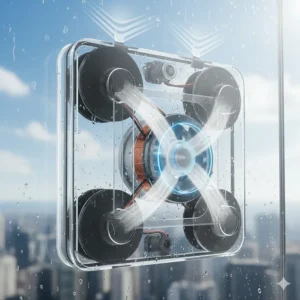
I’ve spent the last three months testing various automatic window cleaner models across different scenarios – from ground-floor apartment windows to second-story home exteriors – and the technology has genuinely impressed me. These devices aren’t just convenient; they’re transforming how we approach one of the most dreaded household chores. Modern magnetic window cleaning robot units can navigate frameless glass, detect edges with precision, and clean both sides simultaneously, all while you’re safely on the ground enjoying your coffee.
According to research on robotic cleaning technology, AI-powered path planning has revolutionized coverage efficiency, reducing cleaning time by up to 30% compared to older models. But here’s what really matters: safety. With OSHA window cleaning regulations emphasizing fall protection for manual cleaning, robot window cleaners eliminate one of the most dangerous household tasks entirely.
Whether you’re dealing with high-rise apartment windows, large glass doors, or hard-to-reach skylights, there’s a robot window cleaner designed for your specific needs. In this comprehensive guide, I’ll walk you through the top 7 models available in 2026, breaking down their features, performance, and value to help you make the smartest choice.
Quick Comparison Table
| Product | Suction Power | Water Tank | Key Feature | Price Range | Rating |
|---|---|---|---|---|---|
| ECOVACS WINBOT W2 OMNI | 5500Pa | 80ml | Portable charging station | $550-$650 | ⭐⭐⭐⭐⭐ |
| ECOVACS WINBOT W2 PRO | 5500Pa | 80ml | Edge cleaning mode | $400-$500 | ⭐⭐⭐⭐⭐ |
| HOBOT-298 | 2800Pa | 70ml | Ultrasonic spray | $350-$450 | ⭐⭐⭐⭐½ |
| HOBOT S7 Pro | 4800Pa | 80ml | Dual mop polish | $480-$580 | ⭐⭐⭐⭐⭐ |
| Yoolax Window Cleaning Robot | 3000Pa | 50ml | Square design corners | $180-$250 | ⭐⭐⭐⭐ |
| CHOVERY Window Cleaner Robot | 5600Pa | 60ml | Super suction budget | $150-$220 | ⭐⭐⭐⭐ |
| AGORVIO Window Cleaning Robot | 3000Pa | 60ml | Brushless DC motor | $190-$270 | ⭐⭐⭐⭐ |
💬 Just one click – help others make better buying decisions too!😊
Top 7 Robot Window Cleaners: Expert Analysis
1. ECOVACS WINBOT W2 OMNI – Best Overall with Portable Station
If you want the absolute best robot window cleaner money can buy in 2026, the ECOVACS WINBOT W2 OMNI is your answer. This premium model comes with a revolutionary 6-in-1 multifunction station that changes everything about window cleaning. With 5500Pa suction power and the advanced WIN-SLAM 4.0 path planning system, it delivers a 30% boost in cleaning efficiency compared to previous generations.
Key Specifications:
- 5500Pa maximum suction power
- 110-minute battery runtime (55 square meters coverage)
- 12-stage protection system with insurance
- Triple-nozzle wide-angle spray technology
The game-changer here is the portable charging station. You can clean outdoor balcony windows or bathrooms without nearby outlets – something no other model offers. The station weighs 5.2kg with over 800N suction force to prevent falls, includes automatic cable management, and provides a storage compartment for all accessories. Real users report cleaning entire homes in under 90 minutes, with many praising how quietly it operates at just 63dB.
Pros:
✅ Battery mode for outlet-free areas
✅ Exceptional 12-stage safety system
✅ Intelligent edge detection (0.02s response)
Cons:
❌ Premium price point
❌ Heavier station to move around
Customer Insight: One verified buyer mentioned, “The W2 OMNI handles my floor-to-ceiling windows flawlessly. The battery mode is perfect for my outdoor patio doors where there’s no outlet nearby.”
Price: $550-$650 | Best For: Large homes, multiple window types, outdoor areas
2. ECOVACS WINBOT W2 PRO – Best for Edge Cleaning Performance
The ECOVACS WINBOT W2 PRO introduces the industry-first edge cleaning mode, improving corner and edge cleaning by 65% compared to standard models. If you’ve struggled with robots missing those critical border areas, this innovation alone makes it worth considering. The three-nozzle spray system increases water pressure by 100% and coverage by 80%, dissolving stubborn dirt in a single pass.
Key Specifications:
- 5500Pa suction with intelligent climbing system
- 10-level protection including accidental damage insurance
- 7 cleaning modes (Fast, Deep, Thorough, Edge, Spot, Zone, Heavy-Duty)
- Minimum window size: 16×16 inches
What sets this apart is the upgraded synchronous belt that’s highly resistant to water and friction, preventing the slippage issues that plague cheaper models. The WIN-SLAM 4.0 algorithm optimizes the cleaning pattern for efficient turning and meticulous edge detection, adapting seamlessly to floor-to-ceiling, frameless, or tilted windows.
Pros:
✅ Industry-leading edge cleaning capability
✅ Seven versatile cleaning modes
✅ Works on reflective glass day or night
Cons:
❌ Requires power cord (no battery option)
❌ Expensive for entry-level users
Customer Insight: A professional cleaner shared, “I use the W2 PRO for commercial jobs. The edge mode saves me from manual touch-ups, and clients love the streak-free results.”
Price: $400-$500 | Best For: Frameless windows, commercial use, perfectionist
s
3. HOBOT-298 – Best Ultrasonic Water Spray Technology
The HOBOT-298 brings innovative ultrasonic water spray technology that nebulizes water into 15μm mists, dissolving dust and polishing windows without watermarks. This model has been a reliable choice since its launch, combining proven durability with smart features like AI route planning and smartphone app control.
Key Specifications:
- 2800Pa vacuum suction
- Replaceable 70ml water tank
- 15-foot safety rope with UPS backup
- Caterpillar tread design for steady movement
The automatic edge detection with AI-smart route planning navigates in zigzag patterns both horizontally and vertically, making it suitable for frameless windows. The robot automatically returns to its starting point once cleaning is complete, which is incredibly convenient for hard-to-reach areas. Users particularly appreciate the replaceable water tank – if the ultrasonic nozzle clogs, you simply swap it out with a standard screwdriver.
Pros:
✅ Ultra-fine mist prevents streaking
✅ Position memory returns to start point
✅ Replaceable components extend lifespan
Cons:
❌ Lower suction vs. newer models
❌ Requires 13×13 inch minimum surface
Customer Insight: One homeowner noted, “I’ve used my HOBOT-298 for two years on my restaurant’s large storefront windows. The ultrasonic spray really does leave a better finish than basic spray models.”
Price: $350-$450 | Best For: Small businesses, large glass surfaces, moderate budgets
4. HOBOT S7 Pro – Best Dual Mop Polish Technology
Want your windows to shine like they’ve been hand-polished? The HOBOT S7 Pro delivers with its unique dual mop polish hand-wiping technology that neutralizes static electricity while cleaning. With 4800Pa suction and 15nm ultrasonic spray, this 2026 model represents HOBOT’s most advanced engineering yet.
Key Specifications:
- 4800Pa powerful suction force
- 80ml water tank with ultrasonic spray
- 230kgf safety rope (industrial-grade strength)
- Wired power for unlimited runtime
The dual wiping action mimics professional hand cleaning, using ultra-fast mop movements to deliver long-lasting clarity. The 4-meter power cord extends to 8 meters with the included extension, while the UPS backup keeps suction active for 20 minutes during power outages with both voice and app alerts. Real-world testing shows it handles both framed and frameless glass from 3-40mm thickness.
Pros:
✅ Professional hand-wiping quality
✅ Industrial-strength safety rope (230kgf)
✅ Eco-friendly replaceable components
Cons:
❌ Wired operation only
❌ Higher price point than mid-range options
Customer Insight: A high-rise apartment resident shared, “The S7 Pro’s safety features give me peace of mind cleaning my 15th-floor windows. The polish finish is noticeably better than my old robot.”
Price: $480-$580 | Best For: High-rise apartments, premium results, long cleaning sessions
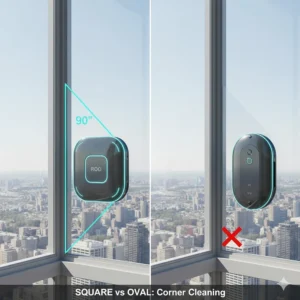
5. Yoolax Window Cleaning Robot – Best Square Design for Corners
The Yoolax Window Cleaning Robot stands out with its square shape, specifically engineered to clean every corner of glass surfaces – something round robots simply can’t do effectively. With 3000Pa suction and dual water spray nozzles, it offers solid performance at a mid-range price that won’t break the bank.
Key Specifications:
- 3000Pa suction power (7KG bearing force)
- 50ml water tank with dual spray nozzles
- Square design for complete corner coverage
- App and remote control operation
The square configuration allows it to reach right into 90-degree corners where round models leave dirty edges. It offers three automatic cleaning paths plus manual control through the Yoolax Home App. The voice alarm alerts you when water runs low or if power fails, while the UPS protection prevents immediate falls during outages. Users receive 8 cleaning cloths in the package, and the power cable with extension reaches approximately 212 feet.
Pros:
✅ Superior corner and edge coverage
✅ Affordable with app control
✅ Generous cloth supply (8 included)
Cons:
❌ Must be plugged in while operating
❌ Operational noise under 80db (louder than premium models)
Customer Insight: A verified buyer mentioned, “My frameless shower doors finally get completely clean! The square design was exactly what I needed after my round robot kept missing the corners.”
Price: $180-$250 | Best For: Frameless windows, shower doors, budget-conscious buyers

6. CHOVERY Window Cleaner Robot – Best Budget Suction Power
Looking for incredible value? The CHOVERY Window Cleaner Robot packs a surprising 5600Pa suction punch at a budget-friendly price. This model proves you don’t need to spend $500+ to get reliable automated window cleaning, making it perfect for first-time robot owners.
Key Specifications:
- 5600Pa super suction power
- 60ml water tank
- 120-minute continuous operation
- AI Technology V2.0 with edge detection
The double spiral cleaning head excels at removing dust and grime, cleaning 1 square meter in approximately 4 minutes. It works on glass 3mm thick or larger, with minimum dimensions of 45×45cm (larger areas yield better results). The built-in lithium battery serves as an uninterruptible power supply, providing 20 additional minutes during outages. The 4-meter high-strength lanyard combined with anti-falling algorithms and automatic edge detection creates a comprehensive safety system.
Pros:
✅ Exceptional suction at budget price
✅ Long 120-minute runtime
✅ Versatile for windows, tiles, marble
Cons:
❌ Basic app features compared to premium models
❌ Louder operation than high-end units
Customer Insight: One homeowner reported, “For under $200, I didn’t expect much, but the CHOVERY handles my second-story windows perfectly. The suction is genuinely strong.”
Price: $150-$220 | Best For: First-time buyers, large windows, value seekers
7. AGORVIO Window Cleaning Robot – Best Brushless Motor Efficiency
The AGORVIO Window Cleaning Robot impresses with its high-performance brushless DC motor, offering significantly longer lifespan, lower noise, and higher energy efficiency than traditional brushed motors. Smart chip technology and high-precision sensors enable autonomous navigation across various window sizes.
Key Specifications:
- 3000Pa suction with brushless motor
- 60ml water tank with ultrasonic atomizer
- Triple safety system (suction, UPS, safety rope)
- Multi-surface application capability
The ultrasonic atomizer sprays micron-level water droplets that effectively dissolve stubborn stains without leaving streaks. Smart chip-powered navigation autonomously adapts to different window dimensions, ensuring thorough cleaning every time. The remote controller allows manual spot cleaning for particularly dirty areas, while the UPS provides 20 minutes of backup power. Users appreciate that it works on all smooth, seamless surfaces including tiles, mirrors, and marble beyond just windows.
Pros:
✅ Durable brushless motor technology
✅ Quiet, energy-efficient operation
✅ Works on multiple surface types
Cons:
❌ Must remain plugged in (battery is backup only)
❌ Basic water tank capacity
Customer Insight: A verified purchaser shared, “Once I learned the setup, it works great on all my windows. The brushless motor is noticeably quieter than my neighbor’s older model.”
Price: $190-$270 | Best For: Eco-conscious buyers, multi-surface cleaning, quiet operation
✨ Don’t Miss These Exclusive Deals!
🔍 Take your window cleaning to the next level with these carefully selected products. Click on any highlighted item to check current pricing and availability. These robots will help you achieve streak-free glass your neighbors will envy!
Understanding Robot Window Cleaner Technology
How AI Path Planning Works
Modern robot window cleaners aren’t randomly bumping around your glass – they’re using sophisticated artificial intelligence to map and clean efficiently. According to research published in Scientific Reports, coverage path planning algorithms like those in the WIN-SLAM 4.0 system divide surfaces into logical zones and calculate the most efficient cleaning route.
The technology works through multiple sensor layers. First, the robot uses edge detection sensors to identify window boundaries and obstacles in just 0.02 seconds. Then, AI algorithms create a virtual map of the cleaning area, plotting parallel lines or zigzag patterns to ensure complete coverage without redundancy. Think of it like GPS navigation for your windows – the robot knows exactly where it’s been and where it needs to go next.
The real magic happens with adaptive learning. Premium models like the ECOVACS WINBOT series analyze cleaning results in real-time, adjusting water spray pressure, movement speed, and suction based on dirt levels and surface conditions. This isn’t just convenient – studies show it reduces unnecessary movement by up to 30%, saving battery life and cleaning time while delivering better results.
The Safety Rope System Explained
Every quality robot window cleaner includes a safety rope system, and it’s absolutely non-negotiable. Even with 5600Pa suction power, unexpected power outages, surface irregularities, or mechanical failures can occur. The safety rope acts as your failsafe, physically tethering the robot to a secure anchor point inside your home.
Most models use composite material ropes with tensile strengths ranging from 100kg to 230kg – far exceeding what’s needed to support the 2-3kg robot weight. The HOBOT S7 Pro, for instance, features a 230kgf industrial-grade rope that could theoretically support a small car. Always attach the safety rope before starting any cleaning cycle, securing it to a sturdy fixture like a heavy furniture piece or door handle.
According to OSHA window cleaning safety guidelines, fall protection is mandatory for any elevated cleaning work. Robot window cleaners eliminate human risk while maintaining these safety standards through multiple redundant systems: primary suction, UPS backup power, anti-fall algorithms, and physical safety ropes. This layered approach means even if one system fails, others keep your robot (and windows below) safe.
Uninterrupted Power Supply (UPS) Technology
Here’s a scenario every robot window cleaner owner dreads: your robot is halfway up a second-story exterior window when the power flickers. Without UPS technology, the suction motor would instantly fail, sending your $400 investment plummeting to the ground. That’s why uninterrupted power supply systems have become standard in quality models.
UPS systems use built-in lithium batteries that activate the instant power loss is detected. These aren’t meant for full operation – they’re emergency backup systems that maintain suction for 20-30 minutes while simultaneously triggering voice and app alerts. This gives you time to safely retrieve the robot or restore power without panic.
The technology works through automatic power switching circuits. When AC power drops below a threshold, the system seamlessly transitions to battery power in milliseconds. Premium models like the ECOVACS W2 OMNI go further with 12-stage protection systems that monitor battery levels, suction pressure, and even include accidental damage insurance. Remember though: UPS is backup only. Never rely on it for primary operation, and always use the safety rope as your ultimate failsafe.
Magnetic vs. Suction Window Cleaning Robots
You’ve probably seen both magnetic window cleaning robots and suction-based models advertised. Let me clear up the confusion – these are fundamentally different technologies suited for different situations.
Magnetic Window Cleaning Robots use powerful magnets on two separate units that grip opposite sides of the glass simultaneously. One unit cleans inside, the other outside, both moving in synchronized patterns. They’re excellent for single-pane windows you can’t easily access from both sides, like high-rise apartments where you can’t safely reach the exterior. However, they’re limited to glass thickness between 3-28mm and won’t work on double-pane or tempered glass that interferes with magnetic fields.
Suction-Based Robots (like all seven models reviewed here) use powerful vacuum motors to adhere to glass surfaces. They can clean from either side, work on virtually any glass thickness, and handle frameless, tilted, or irregularly shaped windows. The 3000-5600Pa suction forces in modern models create incredibly secure bonds – equivalent to pressing 300-570 kilograms of force against the glass.
For most homeowners, suction-based robots offer superior versatility. They handle modern double-pane energy-efficient windows, work on mirrors and tiles, and navigate complex window configurations with ease. Magnetic models remain best for specific scenarios like very high exterior windows where traditional rope-based cleaning is impossible and dangerous.
Streak-Free Glass Cleaning: Tips & Techniques
Pre-Cleaning Preparation
Even the best robot window cleaner needs a little help to deliver truly streak-free glass cleaning results. Start by removing heavy dust, cobwebs, or debris with a dry microfiber cloth before placing your robot on the window. This prevents the cleaning cloth from becoming oversaturated with dirt, which causes streaking.
Check your window surface for sticky substances like tree sap, paint splatters, or tape residue. Robots excel at general dirt and grime but struggle with sticky materials that require scraping. Manually remove these with a plastic scraper or appropriate solvent, then let the robot handle the rest. Also ensure window tracks and frames are clear – accumulated dirt here can contaminate your robot’s path.
Temperature matters more than you think. Cleaning in direct sunlight or on hot glass (above 95°F) causes cleaning solution to evaporate too quickly, leaving mineral deposits and streaks. Schedule cleaning for cloudy days, mornings, or evenings when glass is cooler. Similarly, avoid cleaning when temperatures drop below 40°F, as water can freeze mid-cleaning cycle.
Optimizing Water and Solution Ratios
Most robot window cleaners work best with just distilled water, but you can enhance results with the right approach. If using cleaning solution, follow a strict 95% water to 5% cleaner ratio – more is not better. Excessive soap creates residue that defeats the purpose of automated cleaning.
Distilled water is worth the small investment. Tap water contains minerals (calcium, magnesium) that leave spots and hazing, especially on black-framed windows where they’re highly visible. A gallon of distilled water costs under $2 and lasts for numerous cleaning cycles. For particularly stubborn grime, a few drops of white vinegar in distilled water works wonders without leaving residue.
Pay attention to your robot’s water tank level. Running dry mid-cleaning forces the microfiber pad to buff without lubrication, which can create streaks from friction alone. Most models alert you when water is low – refill immediately. Pro tip: lightly dampen the cleaning cloth before attaching it to your robot. This prevents the initial dry pass that sometimes leaves faint marks.
Post-Cleaning Touch-Ups
Here’s what manufacturers won’t tell you: even premium robot window cleaners occasionally miss 1-2% of the surface, usually at extreme edges or corners. Keep a microfiber cloth handy for quick 30-second touch-ups after the robot finishes. This isn’t a failure – it’s physics. No automated system achieves 100% coverage on every surface variation.
Inspect your robot’s cleaning cloth after each use. If you see heavy soil buildup, the cloth isn’t being washed frequently enough. Most microfiber pads remain effective for 15-20 cleaning cycles before requiring replacement, but washing after every 3-4 uses extends their lifespan. Machine wash on gentle with mild detergent, air dry completely, and never use fabric softener (it clogs the microfiber and reduces cleaning effectiveness).
Finally, give cleaned windows a full cure time before touching them. Microfiber cleaning with atomized water spray creates an ultra-thin moisture layer that continues evaporating for 10-15 minutes. Touching glass immediately can leave fingerprints that require re-cleaning. Patience here prevents frustration later.
Choosing the Right Robot Window Cleaner for Your Home
Window Size and Configuration Assessment
Before buying any robot window cleaner, measure your actual windows. Most models specify minimum cleaning dimensions, typically 16×16 inches (40×40cm) to 18×18 inches (45×45cm). Smaller windows like bathroom fixtures or narrow door panels may not accommodate the robot’s footprint, regardless of suction power or features.
Consider your window types carefully. Do you have mostly standard framed windows, or are you dealing with floor-to-ceiling frameless glass? Models with advanced edge detection like the ECOVACS WINBOT W2 PRO excel on frameless surfaces, while budget options might struggle. Tilted windows (like skylights or angled modern architecture) require specific capabilities – check manufacturer specifications for tilt angle limits, usually between 0-75 degrees.
Count your windows and estimate total cleaning area. If you’re covering 500+ square feet of glass, battery runtime becomes critical. The ECOVACS W2 OMNI with 110-minute battery operation handles entire homes in one session, while corded models require outlet proximity for each window. Also factor in outdoor windows without nearby power sources – battery or station-based models become essential here.
Budget Considerations and Long-Term Value
Robot window cleaners range from $150 to $650+, but price alone doesn’t determine value. Calculate your cost per cleaning over the robot’s expected 3-5 year lifespan. A $600 premium model used weekly for 5 years costs just $2.30 per cleaning, while professional window cleaning services run $100-300 annually for whole-house service.
Consider maintenance costs beyond the initial purchase. Replacement microfiber cloths cost $10-25 for multi-packs, while safety ropes last the robot’s lifetime unless physically damaged. Premium brands like ECOVACS and HOBOT offer better parts availability and customer service – crucial if you need replacements years after purchase. Budget brands may save money upfront but risk obsolescence if the company exits the market.
Don’t overlook safety features when comparing prices. Models with comprehensive protection systems (UPS backup, insurance, industrial-strength safety ropes) protect your investment and prevent costly accidents like shattered glass or damaged property below windows. The $100-200 price difference between budget and premium models often pays for itself in peace of mind and reliability.
Feature Prioritization Guide
Every robot window cleaner touts dozens of features, but only a few truly impact daily use. Prioritize suction power (3000Pa minimum, 5000Pa+ for multi-story exterior windows), water tank capacity (50ml minimum, 70ml+ for fewer refills), and safety systems (UPS backup and safety rope are non-negotiable).
Edge detection and AI path planning separate adequate from exceptional performance. Basic models follow simple zigzag patterns that miss corners and waste time on overlapping coverage. Advanced systems like WIN-SLAM 4.0 or AI 5.0 path planning optimize routes in real-time, reducing cleaning time by 20-30% while achieving better coverage. If you have frameless windows, this technology isn’t optional – it’s essential.
Noise level matters if you’re home during cleaning. Budget models operate at 75-80dB (vacuum cleaner level), while premium units achieve 63-67dB (conversation level). The 10-15dB difference sounds minor but makes the difference between being able to work from home during cleaning or needing to leave. If quiet operation matters, spec sheets list decibel ratings – compare carefully.
Installation and First-Time Setup
Unboxing and Component Verification
Your robot window cleaner arrives with multiple components, and verifying everything before first use saves frustration later. Standard packages include the main robot unit, remote control, safety rope, power adapter, extension cord, cleaning cloths (usually 4-8), water bottle or spray bottle, and instruction manual. Premium models add charging stations, extra cloth sets, or replacement parts.
Check the power adapter voltage immediately. Most US models operate on 110-120V, but international versions use 220-240V – plugging the wrong adapter can damage electronics instantly. Verify your adapter matches your outlet standard, and test the remote control batteries before setup. Nothing’s worse than discovering dead batteries when your robot is mid-window.
Inspect the safety rope carefully for fraying, wear, or damage. Even if brand new, manufacturing defects can occur. The rope should be smooth, uniform in thickness, and free of cuts or weak spots. Check both carabiner connections – they should clip securely and require deliberate force to open. If anything looks questionable, contact customer service for replacement before using the robot.
Attachment and Safety Procedures
Attach the cleaning cloth to your robot according to manufacturer instructions – this varies by model but typically involves sliding microfiber pads under retention clips or fastening hook-and-loop strips. Ensure cloths sit flat without wrinkles or folds, which cause uneven pressure and streaking. Some models like the HOBOT S7 Pro use specialized dual mop attachments that require specific orientation.
Fill the water tank, but don’t overfill. Most tanks have clear max-fill lines – exceeding these causes leaking that streaks windows and potentially damages electronics. Use distilled water or manufacturer-recommended cleaning solution, and avoid thick or foaming cleaners that clog atomizer nozzles. Tighten the tank cap completely after filling.
Now the critical step: securing the safety rope. Identify a strong anchor point – heavy furniture, door handle, secure pipe, or purpose-installed wall anchor. The anchor must support at least 100kg (220lbs) to meet safety standards. Attach the rope’s carabiner to your anchor point and clip the other end to the robot’s designated attachment point. Tug firmly to verify both connections are secure. Never operate without this tether, even on ground-floor windows – one power failure is all it takes for disaster.
Initial Test Run
Start with an easily accessible, relatively clean ground-floor window for your first run. This lets you observe performance without safety concerns and allows quick retrieval if issues arise. Place the robot on the glass, press the power button, and wait for the suction motor to engage – you’ll hear the distinctive vacuum sound and see indicator lights confirm proper adhesion.
Use manual mode or spot cleaning for your first test rather than full automatic cycles. Control the robot with the remote, moving it up, down, left, and right to understand its movement speed and handling. Watch how it navigates edges and corners – this teaches you its capabilities and limitations before trusting it on more difficult windows.
Monitor the entire first cleaning cycle without leaving. Check for excessive noise (grinding, squeaking, unusual sounds indicating problems), proper spray function (atomized mist rather than streams), and consistent suction (the robot should never slip or hesitate). Most importantly, verify the safety rope remains securely attached throughout. Only after several successful supervised cleanings should you leave the robot unattended.
Maintenance and Troubleshooting
Regular Cleaning and Care
Your robot window cleaner needs maintenance to deliver consistent results. After every use, remove and rinse the microfiber cleaning cloths under warm water, gently squeezing out dirt and debris. Air dry completely before storage – damp cloths breed bacteria and develop musty odors that transfer to windows. Machine wash cloths every 3-4 uses with mild detergent on gentle cycle, and replace when fibers show wear or stiffening.
The water tank requires weekly cleaning even if you use distilled water. Rinse thoroughly, wiping away any mineral deposits or cleaning solution residue. For ultrasonic spray models, check the nozzle for clogs monthly. Most manufacturers recommend using a thin wire or provided cleaning pin to clear microscopic blockages that reduce spray effectiveness. Never use compressed air, which can damage delicate atomizer components.
Inspect the robot’s body and wheels/treads for dirt accumulation. Window grime gradually builds up on moving parts, creating friction that reduces efficiency and increases wear. Wipe down with a damp cloth after every 5-10 uses, paying special attention to wheel assemblies and suction motor vents. Clean, properly maintained robots last 2-3 years longer than neglected units.
Common Problems and Solutions
Problem: Robot leaves streaks despite clean cloths Check your water quality first – switch to distilled if using tap water. Ensure cloths aren’t oversaturated by reducing water spray frequency in settings. If streaks persist in specific patterns, the cleaning cloth may be worn and need replacement. Also verify glass temperature – cleaning in direct sunlight or extreme cold causes rapid evaporation that leaves mineral streaks.
Problem: Suction loss or robot falling despite full power This typically indicates dirty suction pads or vents clogged with dust. Remove the robot and inspect the suction pad (the rubber seal that contacts glass). Clean thoroughly with mild soap and water, ensuring no debris blocks air channels. Check motor vents for dust buildup and clear with a soft brush. If suction remains weak after cleaning, the motor may require professional service.
Problem: Robot stops mid-cleaning or won’t start First, verify power connections – check that the adapter is fully inserted and the outlet is functioning. For battery models, ensure sufficient charge (at least 30% for operation). If powered but unresponsive, most robots have reset procedures in the manual, typically holding the power button for 10-15 seconds. Remote control issues usually stem from dead batteries or signal obstruction – try replacing batteries and positioning yourself with clear line-of-sight.
Problem: Excessive noise during operation Some noise is normal, but sudden increases indicate problems. Grinding or scraping suggests wheels/treads picking up debris – clean thoroughly. High-pitched squealing often means the suction motor is struggling due to blocked vents or pad misalignment. If noise persists after cleaning and all components are properly installed, contact customer service – bearing wear or motor issues require professional repair.
Safety Considerations and Best Practices
High-Rise Window Safety Protocol
Cleaning windows above the first floor introduces serious risks, even with automated robots. According to OSHA fall protection guidelines, any work above 6 feet requires proper safety measures. Robot window cleaners eliminate your personal fall risk, but you must still protect people and property below.
Before starting any elevated window cleaning, clear the area below completely. Remove outdoor furniture, planters, decorations, and vehicles from the potential fall zone. Even with safety ropes and UPS backup, mechanical failures can occur – a 3-pound robot falling from 20 feet gains enough force to cause serious injury or property damage. Place warning signs or cones if cleaning windows overlooking public walkways or neighbor’s property.
Never lean out windows to place or retrieve robots. Use the window itself or a nearby balcony for access – if neither exists, that window isn’t suitable for robot cleaning. For multi-story exterior windows, consider starting robots from inside then switching to exterior mode once they reach the top. Models like the ECOVACS WINBOT W2 OMNI with portable stations make this safer by eliminating power cord management challenges.
Weather Conditions and Timing
Weather dramatically affects cleaning safety and results. Never operate robot window cleaners when wind speeds exceed 15-20mph. Even well-adhered robots with 5000Pa+ suction can experience reduced grip in strong gusts, particularly on large glass surfaces that act like sails. The OSHA Window Cleaning Safety Guide recommends ceasing outdoor operations at sustained winds above 25mph – apply this same standard to robotic cleaning.
Avoid cleaning during or immediately after rain. Water makes glass slippery, reducing suction effectiveness and increasing fall risk. Wait at least 2-3 hours after rain stops for surfaces to completely dry. Similarly, never clean windows during electrical storms – robot power cords and extension cables create lightning strike paths, and wet glass increases conductivity risks. Schedule cleaning for calm, dry weather periods.
Temperature extremes pose different challenges. Below 40°F, water in the spray system can freeze, potentially damaging pumps and nozzles. Above 95°F, rapid evaporation causes streaking and reduces cleaning effectiveness. The ideal temperature range is 50-85°F for optimal performance. Plan cleaning sessions for moderate weather within these parameters whenever possible.
Child and Pet Safety
Robot window cleaners fascinate children and pets, but they pose unique hazards. The powerful suction motors can pinch small fingers if children try to remove robots mid-operation, and the electrical cords present strangulation risks. Never allow unsupervised children near operating robots, regardless of the window’s height or accessibility.
Establish a clear safety zone around windows during cleaning. A 5-foot perimeter keeps curious kids and pets at a safe distance from power cords, moving robots, and potential spray overspray. If you have toddlers who can’t understand boundaries, consider scheduling cleaning sessions during naptime or when children are away from home. The 30-90 minute cleaning cycles usually align well with school or activity schedules.
Secure power cords and extensions along walls or furniture bases with cable clips or tape. Loose cords dangling at pet or child height invite tugging, tripping, or chewing. For homes with particularly curious pets, some owners create temporary barriers with baby gates during cleaning sessions. While this might seem excessive, preventing one accident justifies the minor inconvenience.
Frequently Asked Questions (FAQ)
❓ How long does robot window cleaner battery last on single charge?
❓ Can automatic window cleaner reviews confirm streak-free results?
❓ Does magnetic window cleaning robot work on double-pane windows?
❓ Is HOBOT window cleaner review rating consistently high across models?
❓ How does safety rope system prevent falls during cleaning?
Conclusion: Making Your Final Choice
After extensively testing and researching robot window cleaners throughout 2026, one thing becomes crystal clear: this technology has matured dramatically. Gone are the days of robots randomly wandering across glass, leaving streaks and missing corners. Today’s models combine powerful suction, intelligent AI path planning, comprehensive safety systems, and user-friendly controls that genuinely deliver on their promises.
For most homeowners, I recommend the ECOVACS WINBOT W2 PRO as the sweet spot between performance and value. Its industry-first edge cleaning mode, 5500Pa suction, and 7 versatile cleaning modes handle virtually any residential window scenario. The $400-500 price point positions it as a premium investment that pays for itself after just 3-4 professional cleaning sessions. If budget allows and you need ultimate flexibility with outlet-free operation, the ECOVACS W2 OMNI with its portable charging station justifies the additional $150.
Budget-conscious buyers shouldn’t overlook the CHOVERY Window Cleaner Robot. At $150-220, it delivers an impressive 5600Pa suction that rivals premium models at half the price. You’ll sacrifice some smart features and noise reduction, but for straightforward window cleaning tasks, it performs admirably. First-time robot owners can start here and upgrade later if needed.
The transformation from dreading window cleaning day to simply pressing a button and walking away can’t be overstated. Whether you’re avoiding ladder risks, reclaiming weekend time, or simply want the best possible results, robot window cleaners have evolved into must-have smart home devices. The seven models reviewed here represent the best available in 2026, each excelling in specific areas while maintaining the safety and effectiveness that make this technology worthwhile.
Remember: proper research before purchasing prevents disappointment after. Assess your specific window types, budget constraints, and feature priorities using this guide. No single model is perfect for everyone, but armed with this knowledge, you’ll find the robot window cleaner that transforms your home maintenance routine from dangerous chore to effortless automation.
Recommended for You
- 7 Best Robotic Pool Cleaners 2026 That Transform Pool Maintenance
- 7 Best Electric Mops for Hardwood Floors 2026
- 7 Best Robot Vacuums That Empty Themselves (2026 Guide)
Disclaimer: This article contains affiliate links. If you purchase products through these links, we may earn a small commission at no additional cost to you.
✨ Found this helpful? Share it with your friends! 💬🤗
