
In This Article
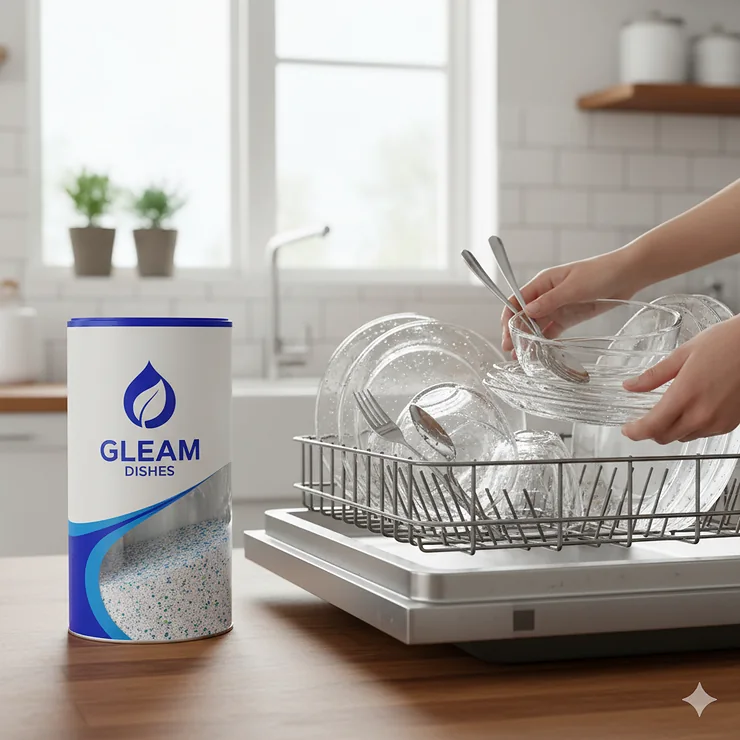
Dishwasher powder is a granulated automatic dishwashing detergent that you scoop into your machine’s dispenser cup. It blends cleaning agents, oxygen bleach, enzymes, and water softeners into one dry mix, so you control the dose for every load instead of relying on a pre-portioned pod.
Pods get the ads. Powder gets the results, at least for a lot of households. A scoop costs a fraction of a pod, and you can add more when the load is ugly or less when it’s light. Powder also fits older machines that choke on dissolvable film. That flexibility is why dishwasher powder keeps showing up in expert roundups even in the age of pods.
It’s also a changed product. Seventeen states restricted phosphates in dishwasher detergent in 2010, and manufacturers reformulated nationally. That’s why the box you grew up with doesn’t behave quite the same way now.
So which one should you buy? This guide compares seven real dishwasher powder options across budget, mid-range, and premium tiers. It draws on published specs, independent test coverage, and the patterns that show up in aggregated customer reviews. It doesn’t rely on made-up lab claims. You’ll also find a how-to section, a hard-water playbook, a cost breakdown, and a powder-versus-pods verdict.
Dishwasher Powder Quick Comparison: 7 Top Picks at a Glance
Prices below are ranges at the time of research. They shift constantly, so check current price before you buy.
| Product | Size / Loads | Price Range | Standout Trait | Best For |
|---|---|---|---|---|
| Cascade Complete Powder Dishwasher Detergent | 75 oz | Budget (roughly $7-$17 range) | Enzymes + oxygen bleach + softeners | Everyday value |
| Finish Powder Dishwasher Detergent (Lemon Fresh) | 75 oz | Budget-to-mid; check current price | Fine granules that dissolve readily | Older machines |
| Seventh Generation Free & Clear Automatic Dishwasher Powder | 45 oz | Under $10 range | Fragrance-free, plant-derived enzymes | Sensitive noses |
| Biokleen Automatic Dishwasher Powder | 32 oz (about 64 loads) | Mid-range; check current price | Highly concentrated | Small storage spaces |
| Ecover Automatic Dishwasher Powder | 48 oz (about 38 loads) | Mid-range; reported swings | Plant and mineral ingredients | Eco-minded shoppers |
| Nellie’s Dishwasher Powder | About 726 g (50 scoops) | Mid-to-premium; check current price | Leaping Bunny certified | Cruelty-free households |
| Dirty Labs Bio Enzyme Dishwasher Detergent + Booster | About 16.8 oz (48 loads) | Premium (low-$20s range) | Proprietary enzyme blend + booster | Hard water |
Looking at the table, the Cascade Complete Powder Dishwasher Detergent wins on sheer value, while the Dirty Labs Bio Enzyme Dishwasher Detergent + Booster justifies its premium mainly if you have hard water. The Seventh Generation Free & Clear Automatic Dishwasher Powder is the easiest compromise between eco credentials and a modest price. Buyers who care about concentration should note that the Biokleen Automatic Dishwasher Powder packs the most loads into the smallest box.
💬 Just one click — help others make better buying decisions too!😊
Top 7 Dishwasher Powder Picks: Expert Analysis
Every pick below is judged on published specs, independent test coverage, and aggregated reviewer sentiment. None of it comes from hands-on testing, and the review summaries are patterns, not quotes.
1. Cascade Complete Powder Dishwasher Detergent (75 oz) — best value for everyday loads
Few dishwasher powder options make the per-load math this easy. Reviewed’s testers describe the cost as “pennies per load,” and the formula leans on enzymes, oxygen bleach, and built-in water softeners.
In practice, enzymes tackle starch and protein residue (think oatmeal and egg). Oxygen bleach lifts tea and coffee stains without chlorine. The softeners cut the chalky film that hard water leaves on glassware. Reviewed’s testers found glasses nearly spot-free on normal and heavy cycles. Their caution: extremely greasy pans can still beat it, and scooping powder is messier than dropping a pod.
Based on the spec comparison, this is the default recommendation for a typical family with ordinary water and ordinary dishes. One ingredient-conscious note: Reviewed lists an EWG rating of D, so label-readers may want a gentler option.
Reviewers consistently praise the economy against pods and report clean, shiny glasses. Common complaints include clumping when damp, a strong fragrance in some versions, and an occasional white film on starchy cookware like rice pots. A tip that recurs: run the kitchen tap hot before starting the cycle.
Pros:
- ✅ Very low cost per load
- ✅ Enzymes plus oxygen bleach for stain control
- ✅ Water-softening agents help glassware stay clear
Cons:
- ❌ Struggles with heavily greasy pans
- ❌ Clumps if humidity reaches the box
Price check: roughly the $7-$17 range depending on retailer and timing, and the value verdict is excellent for budget buyers.
2. Finish Powder Dishwasher Detergent, Lemon Fresh (75 oz) — easy-dissolving granules for older machines
The standout here is texture. Several reviewers say the granules dissolve better in their machines than other detergents, which matters if you own a vintage dishwasher with a weak wash arm.
The retail listing highlights an easy-pour powder with a lemon scent, septic-safe status, and a pairing suggestion for Finish Jet-Dry rinse aid. Practically, a lemon scent adds a pleasant finish but won’t fix a clogged spray arm, and the rinse-aid pairing is sound advice for any powder. Rinse aid helps water sheet off dishes instead of drying into spots.
What most buyers overlook is that this is the main mainstream alternative to the Cascade formula above. If one brand leaves film in your water, swapping to the other is a cheap A/B test. One reviewer even reports that older dishwashers don’t pair well with pods or gel, which supports the case for powder in aging machines.
Aggregated reviews skew positive on cleaning. Complaints focus on shipping, with powder leaking from boxes, and on availability, since some shoppers say the product has become harder to find in stores. One shipping workaround reviewers share: open the carton over the sink and tape the box seams.
Pros:
- ✅ Granules dissolve readily in older machines
- ✅ Familiar major-brand formula with widely known results
- ✅ Septic-safe per the listing
Cons:
- ❌ Boxes can leak powder in transit
- ❌ Lemon scent bothers fragrance-sensitive users
Price check: typically budget-to-mid, so check the current price. The verdict is solid value if your machine prefers powder.
3. Seventh Generation Free & Clear Automatic Dishwasher Powder (45 oz) — fragrance-free eco pick with a clean record
This 45 oz box earns its spot through ingredients. Reviewed notes plant-based enzymes, sodium percarbonate (an oxygen bleach), and no chlorine or phosphates. It’s also free of fragrance and dye, and Reviewed lists an EWG rating of A.
Fragrance-free matters more than it sounds. Scented powders can leave a perfumed note on plastic containers, and sensitive households often notice. Consumer Reports has included Seventh Generation powder among recommended dishwasher powders in past testing, alongside Cascade Complete, which is a useful independent cross-check.
Here’s the honest trade-off. Reviewed says it struggles with tough, greasy stains, and heavy grease may call for a bit more powder or a hotter cycle. Fans of this brand in an appliance forum report no lingering odor, which is a rare compliment in the dishwasher aisle. A small-office reviewer also noted no clumping in a compact dishwasher.
For a household that wants a greener dishwasher powder without a premium sticker, it’s among the easiest calls in this list.
Pros:
- ✅ Fragrance-free and dye-free formula
- ✅ No chlorine or phosphates per the listing
- ✅ Highly rated for ingredient transparency
Cons:
- ❌ Struggles with heavy grease
- ❌ Less widely stocked than big-box brands
Price check: retailer listings fall in the under-$10 range, and the value verdict is strong.
4. Biokleen Automatic Dishwasher Powder (32 oz) — most concentrated option in the lineup
The headline number is about 64 loads from a 32 oz container. The brand describes the formula as three times more concentrated, phosphate-free, chlorine-free, and free of dyes and fragrances (the Free & Clear version).
Concentration means fewer boxes, less shelf space, and less packaging to recycle. The manufacturer’s suggested starting dose is one tablespoon per load, which is why the box lasts. The trade-off is that you must actually measure.
Reviewers in hard-water homes report needing around two tablespoons, which halves the advantage. That’s useful context: a concentrated powder lowers cost only if your water cooperates. One reviewer with an older machine says pods wouldn’t fit, so powder was their only choice, and they liked the results better than Cascade’s film.
The most common complaint is a white powder left on plastics and the dishwasher interior. That points to over-dosing or very hard water, and both are fixable (see the problem-solving section below).
Pros:
- ✅ About 64 loads from a small box
- ✅ Phosphate- and chlorine-free formula
- ✅ Works in machines where pods won’t fit
Cons:
- ❌ White residue on plastics in some homes
- ❌ Hard water may double the dose
Price check: mid-range, so check the current price, and the value is good if your water is moderate.
5. Ecover Automatic Dishwasher Powder (48 oz) — plant-and-mineral formula built for slow use
The label promises roughly 38 loads from 48 oz of plant- and mineral-based ingredients, and it’s phosphate-free. A fragrance-free “Zero” version also exists.
Plant-and-mineral formulas tend to rely on enzymes and mineral builders instead of harsher cleaners. The upside is gentler ingredients, and the catch is that your technique matters more. Scrape plates, run a hot cycle, and pair with rinse aid.
Reviewer sentiment is warm on longevity, with one buyer saying a single box lasts many months. But reviewers have flagged price swings, with one noting a sharp jump within just a few months. That’s a real cost-of-ownership caveat. One dishwasher-enthusiast forum test also suggested the Zero version redeposits some soil, in the poster’s words a weaker anti-redeposition package than Seventh Generation. One forum thread is an anecdote, not a lab result, but it’s worth knowing.
If you value ingredient simplicity and buy when prices dip, it’s a good fit. If you want the lowest cost per load, look elsewhere.
Pros:
- ✅ Phosphate-free plant and mineral formula
- ✅ Fragrance-free Zero option available
- ✅ Reviewers say boxes last months
Cons:
- ❌ Reported price volatility
- ❌ One forum test noted soil redeposition
Price check: reviewers have seen the mid-teens to low-$20s range, and the verdict is fair value at the low end.
6. Nellie’s Dishwasher Powder (about 726 g, 50 scoops) — cruelty-free powder with a nostalgic tin
This pick stands out for certifications. The brand lists Leaping Bunny certification, phosphate-free and chlorine-free status, no SLS or SLES, and septic-safe biodegradability.
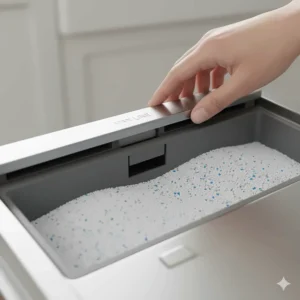
The brand’s own guidance is practical: more powder may be needed in hard-water areas, and if your machine has no dispenser cup, place one tablespoon in the bottom for an average load. The brand also recommends its loose powder over nuggets for hard water.
Aggregated reviews are decidedly mixed, which is the honest picture. Some reviewers in hard-water homes say they almost forget the water is hard, and one pairs it with a rinse aid for sparkling results. Others report that it doesn’t clean well, struggles with dried-on food, or worked in one machine and not another. One buyer recommends adding citric acid for hard water spots.
Spec-wise, this is more of an ethical-purchase pick than a performance pick. If your priorities are ingredient ethics and you’re willing to tune the dose, it can work. If you need dependable heavy-duty cleaning, the Cascade Complete Powder Dishwasher Detergent is the lower-risk choice.
Pros:
- ✅ Leaping Bunny certified and plant-based
- ✅ Septic-safe and biodegradable per the brand
- ✅ Brand gives clear hard-water dosing guidance
Cons:
- ❌ Reviewer results vary widely by machine
- ❌ Dried-on food can still get left behind
Price check: mid-to-premium, so check the current price, and the value is moderate.
7. Dirty Labs Bio Enzyme Dishwasher Detergent + Booster — premium enzyme blend built for hard water
The standout is the two-in-one design: detergent plus water-softening booster in one scoop. Reviewed names it best for hard water, citing a proprietary Phytolase enzyme blend, citric acid, and salts with no chlorine.
The label says one scoop (about 10 g) per regular load and two for heavily soiled dishes or particularly hard water, from a 16.8 oz container good for about 48 loads. At a price in the low $20s, that works out to roughly 40-50 cents a load, several times the cost of a budget powder.
You’re paying for concentration, enzyme chemistry, and mineral control. Reviewed describes it as low-sudsing and suited to quick cycles. The brand also displays a USDA Certified Biobased Product label and a 2026 Wirecutter award badge on its own site, though those are the brand’s claims.
Reviews on Amazon run high, with buyers describing spotless dishes and no film even on baked-on food. The main complaint is the price.
Pros:
- ✅ Built-in booster tackles mineral deposits
- ✅ Hyper-concentrated with a dosing scoop
- ✅ Chlorine-free, low-sudsing formula
Cons:
- ❌ Highest cost per load here
- ❌ Overkill for soft-water homes
Price check: low-$20s range, with the verdict being premium but justified for hard water.
✨ Ready to Upgrade Your Dishwasher Powder?
🔍 Take your dishwashing routine to the next level with these carefully selected picks. Click on any highlighted item to check current pricing and availability. These dishwasher powder options will help you get the sparkling, spot-free results your family expects!
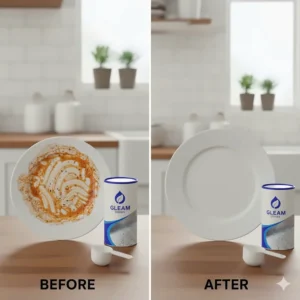
How to Use Dishwasher Powder Correctly: A Step-by-Step Guide
Most complaints about dishwasher powder trace back to technique, not the product. Follow these steps and you’ll get more from any pick above.
- Scrape, don’t rinse. The Department of Energy’s Energy Saver guidance on dishwashers notes that how you use a dishwasher matters almost as much as the machine. Detergent enzymes need something to work on, so heavy pre-rinsing wastes water without helping.
- Run the tap hot first. Several reviewers do this before starting a cycle. Hot water activates oxygen bleach and dissolves granules.
- Fill the main cup, not the pre-wash cup. If your machine has a pre-wash compartment, a small pinch there helps with very dirty loads.
- Dose by water hardness. Start at the label’s recommended amount, then adjust. Hard water often needs more, soft water less.
- Add rinse aid. It’s the cheapest fix for spots on glasses.
- Store the box dry. Powder clumps when humid, so avoid the cabinet under the sink if it’s damp.
- Clean the filter monthly. A clogged filter makes any detergent look bad.
Common first-30-day mistakes: scooping heaping spoonfuls (leading to residue), skipping rinse aid, and crowding the lower rack so water can’t reach everything.
Dishwasher Powder Problems and Solutions
White film on glasses. This usually means minerals plus too much powder. Cut the dose slightly, add rinse aid, and consider the Dirty Labs Bio Enzyme Dishwasher Detergent + Booster if hard water is the cause.
Cloudy glassware that won’t clear. Persistent cloudiness is often permanent etching from overly aggressive washing or soft water with too much detergent. For soft-water homes, try less powder.
Clumped powder in the box. Moisture is the culprit. Move it to a dry shelf, and reseal tightly. The Cascade Complete Powder Dishwasher Detergent is the one reviewers most often mention clumping when wet.
Powder left in the dispenser cup. Check that the dispenser door isn’t blocked by a tall dish, and avoid overfilling. A quick tip from reviewers: wipe the cup dry before loading.
White residue on plastics. This shows up in some Biokleen Automatic Dishwasher Powder reviews. Reduce the dose and run a hot cycle.
Stuck-on grease. If your pans stay greasy, pick a stronger option such as the Cascade Complete Powder Dishwasher Detergent, or hand-wash the worst offenders. Powder is not a magic wand for baked-on pans.
Real-World Scenarios: Which Dishwasher Powder Fits Your Home?
The family of five with hard water. Dinner pans, kid cups, and mineral-rich tap water: this household needs cleaning power and film control. The Dirty Labs Bio Enzyme Dishwasher Detergent + Booster or the Cascade Complete Powder Dishwasher Detergent with rinse aid are the strongest candidates. If budget is tight, start with Cascade and add citric acid or rinse aid.
The renter with an older, small dishwasher. This person probably can’t use pods reliably. A budget-friendly powder like the Finish Powder Dishwasher Detergent, Lemon Fresh or the Cascade Complete Powder Dishwasher Detergent gives control over dose. Running the dishwasher 4-5 times a week, a 75 oz box lasts a long time.
The fragrance-sensitive, eco-minded couple in a soft-water area. The Seventh Generation Free & Clear Automatic Dishwasher Powder fits neatly, with a lower dose to avoid residue. If ethics certifications matter most, the Nellie’s Dishwasher Powder is an option, with the caveat that results vary.
Budget, water type, and dishwasher age matter more than brand loyalty.
How to Choose Dishwasher Powder: 6 Steps
- Check your water hardness first. Hard water favors powders with strong softeners or a booster. Soft water favors lower doses.
- Decide how much scent you can tolerate. Fragrance doesn’t clean anything, and in very hard water it can leave residue. Choose fragrance-free if you’re sensitive.
- Match the formula to your dishes. Heavy cookware calls for enzymes plus oxygen bleach. Light glassware loads can use gentler formulas.
- Weigh concentration against box size. A small, concentrated box saves space, but only if you dose correctly.
- Verify certifications. Look for EPA Safer Choice-style labels or Leaping Bunny if ingredients matter to you, and read ingredient lists for chlorine and phosphates.
- Calculate cost per load. Divide price by realistic loads, not the box’s best-case figure.
Dishwasher Powder vs Pods vs Gel: Which Wins?
Pods are convenient. Consumer Reports’ breakdown of pods, liquid, and powder says the best-performing pods clean better than the best liquids. Whirlpool’s guidance adds that pods tend to reduce filming more than powder or gel.
But powder wins on flexibility and cost. Reviewers note per-wash cost far below pods, and pods can fail to dissolve in some machines, which is a recurring complaint.
| Format | Cost per Load | Flexibility | Best For |
|---|---|---|---|
| Dishwasher powder | Lowest | Adjustable dose | Cascade Complete Powder Dishwasher Detergent buyers on budget |
| Pods / tablets | Higher | Fixed dose | Convenience seekers |
| Gel | Similar to powder | Adjustable, easy to over-pour | Soft-water homes |
In the table above, dishwasher powder takes the edge on cost and control, while pods win on mess-free convenience. If you have a hard-water home, pods with built-in softeners can edge ahead on film prevention. For everyone else, powder is often the smarter long-term buy.
Features That Actually Matter (And Those That Don’t)
What matters: enzymes for starch and protein, oxygen bleach for tea and coffee stains, water softeners or chelating agents for mineral control, and anti-filming agents. One enthusiast comparison noted that anti-filming agents are more critical in hard water and matter less in softened water.
What doesn’t: fragrance and colorants. They don’t contribute to cleaning and can leave odors or residue. A lemon scent is a preference, not a performance feature.
What depends on you: concentration. A powder like the Biokleen Automatic Dishwasher Powder shines when you dose carefully. And certifications like Leaping Bunny, as on the Nellie’s Dishwasher Powder, are about ethics, not cleaning power.
A useful rule of thumb: pick the ingredients list, not the marketing claim. If a label lists enzymes, an oxygen bleach, and a softening agent, it’s built for real work.
Dishwasher Powder for Hard Water and Special Situations
Hard water is the single biggest reason one person loves a dishwasher powder and another hates it. Calcium and magnesium leave white film, and detergent has to compete with them.
For hard water, start with the Dirty Labs Bio Enzyme Dishwasher Detergent + Booster and use two scoops when needed, per the label. The Cascade Complete Powder Dishwasher Detergent includes water-softening agents and is a cheaper first test. Pair either with rinse aid, and consider occasional citric acid, as one Nellie’s Dishwasher Powder reviewer did.
For soft water, use less. Too much detergent in soft water can leave residue or cloudiness.
For septic systems, check the label. The Finish Powder Dishwasher Detergent, Lemon Fresh and the Seventh Generation Free & Clear Automatic Dishwasher Powder both highlight septic suitability in their listings.
For compact or older machines, a powder you can under-dose is a gift. The Seventh Generation Free & Clear Automatic Dishwasher Powder is commonly mentioned in small-dishwasher reviews.
Long-Term Cost and Maintenance of Dishwasher Powder
Cost per load is where dishwasher powder shines. Reviewers describe powder as dramatically cheaper than pods, while premium concentrates cost more upfront.
| Tier | Example | Cost Feel | Best For |
|---|---|---|---|
| Budget | Cascade Complete Powder Dishwasher Detergent | Pennies per load | Everyday value |
| Mid-range | Seventh Generation Free & Clear Automatic Dishwasher Powder | Modest | Eco on a budget |
| Premium | Dirty Labs Bio Enzyme Dishwasher Detergent + Booster | Roughly 40-50 cents | Hard water |
The numbers favor budget tiers for most households. The premium option only pays off if it saves you reruns, rewashing, or damaged glassware. A premium powder that eliminates film in a hard-water home may be cheaper than a budget one you re-run.
Maintenance matters too. Monthly filter cleaning and dry storage protect results. Also watch price swings, since reviewers flagged big jumps on the Ecover Automatic Dishwasher Powder.
Common Mistakes When Buying Dishwasher Powder
Buying on scent. A pleasant lemon smell tells you nothing about cleaning power.
Ignoring water hardness. A great powder in soft water can disappoint in hard water, and vice versa.
Over-dosing. More isn’t better. Excess powder leaves residue, especially in soft water and on plastics.
Skipping rinse aid. The Finish Powder Dishwasher Detergent, Lemon Fresh listing itself suggests pairing with rinse aid for good reason.
Judging a box by its size. A small box of concentrated dishwasher powder like the Biokleen Automatic Dishwasher Powder can outlast a big, dilute one.
Storing it badly. Humidity ruins powder, so keep it sealed and dry.
Phosphates, Regulations, and Safety for Dishwasher Powder
Here’s what changed. Seventeen states banned phosphates in household dishwasher detergent in 2010, and manufacturers reformulated broadly because separate formulas for different states weren’t feasible. NPR’s reporting on the change quotes a Procter & Gamble spokesperson saying it wasn’t a huge environmental win, and notes that people sometimes pre-rinse or rerun cycles to compensate.
The practical takeaway: today’s phosphate-free powders rely on enzymes and other builders, so technique matters. Use hot water, dose properly, and add rinse aid.
On safety, keep any dishwasher powder out of children’s reach, store it in its original container, and never mix products. Check labels for hazard statements, since some powders contain oxygen bleach and alkaline salts that irritate skin and eyes.
Dishwasher Powder FAQs
❓ Is dishwasher powder cheaper than pods?
❓ Where do I put dishwasher powder if my machine has no dispenser cup?
❓ Why does my dishwasher powder leave a white residue?
❓ Does dishwasher powder go bad?
❓ Is phosphate-free dishwasher powder as effective?
Final Thoughts: Choosing the Best Dishwasher Powder in 2026
The best dishwasher powder is the one that fits your water, your dishes, and your budget. For most households, the Cascade Complete Powder Dishwasher Detergent is the practical starting point: cheap, enzyme-equipped, and well-regarded in independent coverage. If you want to swap brands, the Finish Powder Dishwasher Detergent, Lemon Fresh is a natural A/B test, especially in older machines.
If fragrance and ingredients matter, the Seventh Generation Free & Clear Automatic Dishwasher Powder is an easy, affordable step toward a greener routine. The Biokleen Automatic Dishwasher Powder rewards careful dosing with a small, long-lasting box, while the Ecover Automatic Dishwasher Powder suits shoppers who buy when prices dip. The Nellie’s Dishwasher Powder appeals to ethics-first buyers, with the caveat that results vary by machine. And if hard water is your enemy, the Dirty Labs Bio Enzyme Dishwasher Detergent + Booster is the one worth the splurge.
Whatever you pick, technique decides the rest: scrape, run the tap hot, dose carefully, and use rinse aid. Do that and any good dishwasher powder can deliver clean, shiny dishes.
Recommended for You
- Best Panel Ready Dishwasher: 7 Proven Picks for 2026
- Best Drying Dishwasher: 7 Proven Picks for Bone-Dry Dishes 2026
- Monogram Dishwasher: 7 Best Picks for 2026
Disclaimer: This article contains affiliate links. As an Amazon Associate, I earn from qualifying purchases. If you purchase products through these links, we may earn a small commission at no additional cost to you.
✨ Found this helpful? Share it with your friends! 💬🤗
