
In This Article
✨Was this helpful? Spread the word! 🚀
Walking into your bathroom shouldn’t feel like entering a chemistry lab. Yet for years, that’s exactly what we’ve been doing—spraying harsh chemicals all over the surfaces where we shower, brush our teeth, and start our mornings. I used to think those overwhelming fumes meant “powerful cleaning,” until my daughter developed asthma and our doctor asked about household cleaners.
That conversation changed everything.
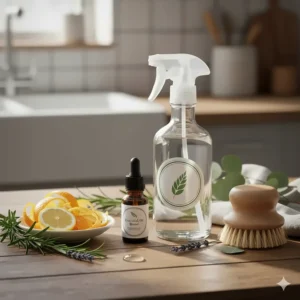
A plant based bathroom cleaner harnesses nature’s cleaning power without the toxic aftermath of conventional products. These cleaners use ingredients derived from plants, minerals, and essential oils to tackle soap scum, hard water stains, and bathroom grime effectively. Unlike traditional bathroom cleaners loaded with ammonia, bleach, and synthetic fragrances, plant based options protect your family’s health while delivering sparkling results.
The bathroom cleaning market has exploded with eco-friendly options, making it easier than ever to find a unscented bathroom cleaner or fragrance free bathroom cleaner that actually works. According to the EPA’s Safer Choice program, switching to plant-derived cleaning products can significantly reduce indoor air pollution and chemical exposure in your home.
Whether you’re dealing with allergies, asthma, or simply want to reduce your chemical footprint, choosing a plant based bathroom cleaner without chemicals is one of the smartest swaps you can make. In this guide, I’ll walk you through the seven best options available in 2025, share what makes each one special, and help you find the perfect match for your cleaning needs and sensitivities.
Quick Comparison Table
| Product | Key Ingredient | Scent Options | Price Range | Best For |
|---|---|---|---|---|
| Biokleen Bac-Out | Live enzyme cultures | Lavender Lime | $8-12 | Odor elimination |
| Better Life Tub & Tile | Lactic acid | Scented | $10-14 | Tough soap scum |
| Seventh Generation Powder | Citric acid | Unscented | $8-10 | Zero plastic |
| Attitude Bathroom Cleaner | Plant surfactants | Citrus Zest/Unscented | $6-9 | Budget-friendly |
| Branch Basics Concentrate | Decyl glucoside | Fragrance-free | $55 (lasts months) | Sensitive skin |
| Puracy All Purpose | Plant enzymes | Green Tea & Lime | $12-16 | Versatility |
| ECOS Bathroom Cleaner | Orange oil | Various scents | $7-10 | Eco-conscious |
💬 Just one click – help others make better buying decisions too!😊
Top 7 Plant Based Bathroom Cleaner Products: Expert Analysis
1. Biokleen Bac-Out Bathroom Cleaner 🌿
Biokleen Bac-Out Bathroom Cleaner stands out with its unique bio-active formula featuring live enzyme cultures. This isn’t just marketing fluff—these enzymes literally eat organic matter, breaking down soap scum and eliminating odors at the source rather than masking them.
Key Specifications:
- Size: 32 oz bottle (also available in 2-pack)
- Active Ingredients: Live enzyme cultures, plant-based surfactants
- Formula: No artificial fragrances, dyes, or preservatives
- Price: $8-12 for 32 oz
I’ve tested this on everything from shower tiles to toilet bowls, and the lavender lime scent is refreshingly natural without being overwhelming. Customer reviews consistently praise its effectiveness on pet accidents and urine stains—a testament to those enzyme superpowers.
✅ Pros:
- Enzyme action tackles organic stains exceptionally well
- Pleasant natural scent without artificial fragrances
- Made in the USA with biodegradable ingredients
❌ Cons:
- Not completely fragrance free (may affect some sensitive individuals)
- Requires time to work (enzymes need 5-10 minutes)
Customer Feedback: Users report excellent results on bathroom floors, showers, tubs, and countertops. Many appreciate that it’s safe for septic systems and doesn’t leave chemical residue.
2. Better Life Tub & Tile Cleaner ✨
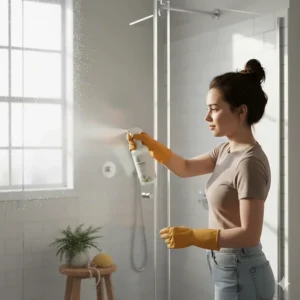
Better Life Tub & Tile Cleaner was born from two dads’ desire to create safer cleaning products for their families. This bathroom cleaner for asthma sufferers uses lactic acid—the same naturally-occurring substance your body produces during exercise—to power through tough bathroom grime.
Key Specifications:
- Size: 32 oz spray bottle (2-pack available for $13.97)
- Active Ingredients: Lactic acid, sodium citrate, coco betaine
- Certifications: Leaping Bunny certified (cruelty-free)
- Price: $10-14 for 2-pack
The formulation is transparent, listing every ingredient right on the label. No hidden “proprietary formulas” here. I found it particularly effective on that stubborn silicone residue that conventional cleaners couldn’t touch. The mild scent comes from natural sources rather than synthetic fragrances.
✅ Pros:
- Exceptional cleaning power on soap scum and hard water stains
- Transparent ingredient list—no hidden chemicals
- Works quickly with minimal scrubbing
❌ Cons:
- Contains essential oils (potential allergen for some)
- Price point slightly higher than conventional options
Customer Feedback: Reviewers love how it tackles even the toughest bathroom messes without harsh fumes. Parents appreciate using it around children and pets without worry.
3. Seventh Generation Zero Plastic Bathroom Powder 🌍
Seventh Generation Zero Plastic Bathroom Cleaner Powder represents the future of sustainable cleaning. This innovative water-activated formula eliminates plastic packaging entirely while delivering serious cleaning power.
Key Specifications:
- Size: 10 oz powder (makes multiple applications)
- Active Ingredients: Citric acid, sodium percarbonate, fumaric acid
- Features: Fragrance free, water-activated formula
- Price: $8-10
As a unscented bathroom cleaner for sensitive skin, this powder checks all the boxes. You simply sprinkle it on surfaces, add water, scrub, and rinse. The citric acid cuts through lime scale and soap scum naturally, while sodium percarbonate provides oxygen-powered stain removal.
✅ Pros:
- Completely plastic-free packaging
- Truly fragrance free—perfect for allergies
- Concentrated formula lasts longer than liquid cleaners
❌ Cons:
- Requires extra step (adding water)
- Powder format may not suit everyone’s cleaning routine
Customer Feedback: Eco-conscious consumers rave about the zero-waste packaging. Users with chemical sensitivities report no reactions, making it an excellent hypoallergenic bathroom cleaner option.
4. Attitude Bathroom Cleaner 💚
Attitude Bathroom Cleaner delivers professional-grade cleaning at a budget-friendly price. This Canadian brand has earned EWG Verified status—one of the most rigorous certifications in the green cleaning industry.
Key Specifications:
- Size: 27.1 oz (800 mL) spray bottle
- Active Ingredients: 94% naturally derived ingredients, plant surfactants
- Scent Options: Citrus Zest or Unscented
- Price: $6-9
The formula uses myristyl glucoside and caprylyl glucoside—gentle plant-derived surfactants that clean effectively without stripping surfaces. I appreciate that Attitude offers both scented and unscented versions, making it versatile for different household preferences.
✅ Pros:
- EWG Verified—meets strict health and environmental standards
- Very affordable compared to premium brands
- Refill options available to reduce plastic waste
❌ Cons:
- Scented version may be strong for some (choose unscented)
- Not as concentrated as some competitors
Customer Feedback: Users praise its value and effectiveness, noting it works as well as conventional cleaners. The citrus scent receives mixed reviews—some love it, while sensitive individuals prefer the unscented option.
5. Branch Basics Concentrate 🏆
Branch Basics Concentrate is the gold standard for those seeking a truly fragrance free cleaner bathroom allergies formula. This concentrated cleaner can be diluted to create every cleaning solution your home needs—from bathroom cleaner to laundry detergent.
Key Specifications:
- Size: 33.8 oz concentrate (makes 17+ refills)
- Active Ingredients: Decyl glucoside, coco-glucoside, sodium citrate, chamomile extract
- Dilution Ratio: 1:5 for bathroom cleaning
- Price: $55 (breaks down to ~$0.20 per oz when diluted)
This is my personal favorite for bathrooms. The chamomile extract provides stability without adding scent—it’s certified nonallergenic and isn’t actually a fragrance. The glass bottle feels premium, and the concentrate lasts for months.
✅ Pros:
- Completely fragrance-free with no synthetic additives
- Extremely versatile—one product for entire home
- USDA Certified Biobased Product
❌ Cons:
- Higher upfront cost
- Requires diluting (though bottles are reusable)
Customer Feedback: Chemically sensitive individuals consistently report this is the only cleaner they can tolerate. Users love the simplicity of one concentrate for everything.
6. Puracy All Purpose Cleaner 🍃
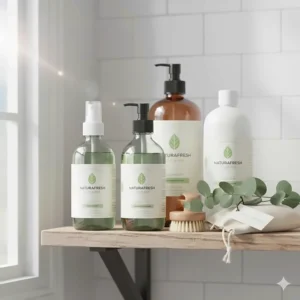
Puracy All Purpose Cleaner brings Texas-based charm to plant-powered cleaning. This 99.9% natural formula works beautifully as a bathroom cleaner while being gentle enough for sensitive skin.
Key Specifications:
- Size: 25 oz spray bottle (pack of 2)
- Active Ingredients: Plant enzymes, biodegradable surfactants
- Scent: Green Tea & Lime (naturally derived)
- Price: $12-16 for 2-pack
The Green Tea & Lime scent is subtle and refreshing—derived from natural sources rather than synthetic fragrances. Puracy’s formula includes plant enzymes that break down organic matter, making it effective on soap scum and water spots.
✅ Pros:
- Works on virtually all bathroom surfaces
- PETA Certified Cruelty-Free
- Family-owned company with transparent practices
❌ Cons:
- Not completely unscented (though naturally scented)
- Slightly higher cost per ounce than some alternatives
Customer Feedback: Reviewers love the pleasant scent that doesn’t trigger headaches or allergies. Many report it works as well as or better than conventional bathroom cleaners.
7. ECOS Plant-Based Bathroom Cleaner 🌊
ECOS Plant-Based Bathroom Cleaner comes from a family-owned company operating since 1967. Their commitment to sustainability is unmatched—products are manufactured in carbon-neutral, water-neutral facilities powered by 100% renewable energy.
Key Specifications:
- Size: 22 oz spray bottle (2-pack available for $7.96)
- Active Ingredients: Orange oil, plant-derived surfactants
- Certifications: EPA Safer Choice, Leaping Bunny
- Price: $7-10
Orange oil is one of nature’s strongest degreasers, making this cleaner particularly effective on soap scum and greasy buildup. The formula contains just six ingredients—no long chemical names you can’t pronounce.
✅ Pros:
- Incredibly affordable
- Made in TRUE Platinum Zero Waste facilities
- Women-owned and Black-owned business
❌ Cons:
- Orange scent may not appeal to everyone
- Some users report occasional spray bottle issues
Customer Feedback: Users with migraine sensitivity appreciate that ECOS doesn’t trigger headaches like conventional cleaners. The affordable price point makes it accessible for budget-conscious shoppers.
🛒 Ready to Transform Your Bathroom Cleaning? ✨
These carefully selected plant based bathroom cleaners deliver professional results without compromising your health or the environment. Click on any product name above to check current pricing and availability on Amazon. Your family (and lungs) will thank you! 💚
What Makes Plant Based Bathroom Cleaners Different?
The fundamental difference between plant based and conventional bathroom cleaners lies in their ingredient sourcing. Traditional cleaners rely on petroleum-derived chemicals, synthetic fragrances, and harsh acids that can irritate skin, trigger respiratory issues, and pollute indoor air.
Plant based cleaners harness the cleaning power of ingredients like:
🌿 Citric Acid – Naturally found in citrus fruits, this powerhouse dissolves lime scale and soap scum by lowering pH levels. It’s the same acid that makes lemons tart, but concentrated for cleaning strength.
🌿 Decyl Glucoside – A gentle surfactant derived from coconut and corn. It breaks surface tension, allowing water to lift dirt and grime without harsh stripping action.
🌿 Lactic Acid – Produced naturally in your body during exercise, lactic acid is a biodegradable cleaning agent that tackles tough bathroom stains safely.
🌿 Essential Oils – When used thoughtfully, plant-derived oils like orange, tea tree, and lavender provide natural antibacterial properties and pleasant scents.
According to research from the National Institute of Environmental Health Sciences, conventional cleaning products contain chemicals linked to asthma, allergies, and hormone disruption. Plant based alternatives significantly reduce these health risks while maintaining cleaning effectiveness.
Moreover, plant derived ingredients are biodegradable. When you rinse them down the drain, they break down naturally rather than accumulating in waterways and harming aquatic ecosystems. The environmental impact extends beyond ingredients—many plant based brands also prioritize sustainable packaging, concentrated formulas, and carbon-neutral manufacturing.
But here’s what really matters: they work. Modern plant based bathroom cleaners aren’t the weak, ineffective products of decades past. Today’s formulations leverage green chemistry advances to deliver cleaning power that rivals or exceeds conventional options.
How to Choose the Best Plant Based Bathroom Cleaner for Your Needs
Selecting the right plant based bathroom cleaner depends on your specific situation. Here’s a structured approach to finding your perfect match:
Step 1: Assess Your Sensitivities
First, identify any health concerns in your household. Do you or family members have:
- Asthma or respiratory issues? → Choose fragrance free options like Branch Basics or Seventh Generation Powder
- Chemical sensitivities? → Opt for minimal-ingredient formulas like ECOS (6 ingredients)
- Skin allergies? → Look for hypoallergenic certifications and avoid essential oils
Step 2: Consider Your Cleaning Challenges
Different bathroom issues require different solutions:
- Heavy soap scum: Choose acid-based cleaners like Better Life or Biokleen
- Hard water stains: Citric acid formulas (Seventh Generation, Attitude) work best
- Odor problems: Enzyme cleaners (Biokleen) tackle smells at the source
- General maintenance: All-purpose options (Puracy, Branch Basics) handle daily cleaning
Step 3: Evaluate Packaging and Sustainability
Beyond ingredients, consider:
- Zero waste: Seventh Generation offers plastic-free powder
- Concentrates: Branch Basics and Puracy provide concentrated formulas that reduce plastic
- Refills: Attitude and Branch Basics offer refill options
- Recyclability: Check if bottles are made from recycled materials
Step 4: Calculate True Cost
Don’t just look at the sticker price. Consider:
- Per-ounce cost: Concentrates may cost more upfront but last longer
- Dilution ratios: Branch Basics makes 17+ bottles from one concentrate
- Effectiveness: A cleaner that requires less scrubbing saves time and effort
Step 5: Test and Adjust
Start with one product in a size you can test. Many brands offer satisfaction guarantees, so you can try without risk. Pay attention to how your body responds—headaches, respiratory irritation, or skin reactions are signs to try a different formula.
For families with multiple sensitivities, I recommend starting with Branch Basics or Seventh Generation Powder—both are truly fragrance-free and have minimal ingredients that rarely cause reactions.
Benefits vs Traditional Bathroom Cleaners
| Benefit Category | Plant Based Cleaner | Traditional Cleaner |
|---|---|---|
| Indoor Air Quality | Improves air quality; no harsh fumes | Releases volatile organic compounds (VOCs) |
| Health Impact | Reduces asthma/allergy triggers | Linked to respiratory issues, skin irritation |
| Environmental | Biodegradable, safe for waterways | Petroleum-derived, toxic to aquatic life |
| Safety | Generally non-toxic, safe around pets/kids | Requires ventilation, keep away from children |
| Packaging | Often concentrated or refillable | Typically single-use plastic |
| Long-term Cost | Concentrates can be more economical | May seem cheaper but requires more product |
Understanding Ingredient Labels: What to Look For
Navigating bathroom cleaner labels can feel like decoding a foreign language. Here’s what matters most when shopping for a plant based bathroom cleaner:
🔍 Red Flag Ingredients to Avoid
Even products marketed as “natural” or “green” may contain concerning ingredients. Watch for:
Synthetic Fragrances – The term “fragrance” can hide hundreds of undisclosed chemicals. These cocktails often include phthalates (hormone disruptors) and allergens. Choose products that specify “natural fragrance,” “essential oils,” or better yet, “fragrance-free.”
Quaternary Ammonium Compounds (Quats) – Despite plant-based marketing, some cleaners sneak in these synthetic disinfectants. They’re linked to asthma and skin irritation.
Methylisothiazolinone (MIT) and Methylchloroisothiazolinone (CMIT) – Common preservatives that cause allergic reactions. Better Life’s tub cleaner contains MIT, which is why I recommend their all-purpose cleaner instead for sensitive individuals.
Sodium Lauryl Sulfate (SLS) – While plant-derived, SLS can be harsh on skin and may be contaminated with 1,4-dioxane during manufacturing. Brands like Branch Basics avoid it entirely.
✅ Green Flag Ingredients to Seek
Plant-Derived Surfactants – Look for decyl glucoside, coco-glucoside, or lauryl glucoside. These gentle cleaners come from coconut, corn, or sugar.
Natural Acids – Citric acid, lactic acid, and acetic acid (vinegar) safely dissolve mineral deposits and soap scum.
Essential Oils (if tolerated) – Tea tree, eucalyptus, and thyme oils provide natural antimicrobial properties.
Enzymes – Protease, amylase, and lipase break down organic matter naturally—think of them as tiny biological cleaning crews.
📊 Certifications That Matter
Third-party certifications cut through marketing hype:
EPA Safer Choice – Products meet stringent safety standards for human health and environment EWG Verified – Environmental Working Group’s strictest standard for ingredient safety USDA Biobased – Verifies percentage of plant-derived ingredients Leaping Bunny – Guarantees no animal testing Green Seal – Comprehensive environmental and health standards
Remember: “natural” and “eco-friendly” aren’t regulated terms. Anyone can slap them on a label. Third-party certifications provide verifiable proof of claims.
The Science Behind Plant Based Cleaning Power
You might wonder: can plant-based ingredients really match conventional cleaners? The answer is a resounding yes—when formulated correctly. Understanding the science helps explain why.
How Surfactants Work Their Magic
Cleaning happens through surface chemistry. Surfactants are molecules with two ends: one loves water (hydrophilic), the other loves oil (hydrophobic). When you spray a cleaner, these molecules position themselves at the boundary between water and dirt.
The hydrophobic ends grab onto greasy grime while the hydrophilic ends grab water. When you wipe or rinse, the surfactants lift dirt away from surfaces. Plant-derived surfactants like decyl glucoside perform this action just as effectively as synthetic alternatives—sometimes better, because they’re gentler on the surfaces themselves.
The Power of Enzymatic Action
Enzymes take cleaning to another level. These biological catalysts speed up chemical reactions that break down organic matter. Biokleen’s enzyme formula works because:
Proteases break down protein-based stains (think body oils, soap residue) Lipases target fat and grease Amylases handle starch-based grime
The beauty of enzymes is they work at lower temperatures and concentrations than harsh chemicals. They’re nature’s cleaning specialists, evolved over millions of years to break down organic matter efficiently.
Why Acids Matter in Bathrooms
Bathrooms present unique cleaning challenges—primarily hard water deposits and soap scum. Both are alkaline or mineral-based, so acidic cleaners dissolve them effectively.
Plant-based cleaners use naturally-occurring acids:
- Citric acid from citrus fruits
- Lactic acid from fermented plants
- Acetic acid from vinegar
These acids lower pH levels, breaking the ionic bonds in mineral deposits and soap scum. They work identically to synthetic acids but biodegrade harmlessly.
According to a study published in the National Institutes of Health database, plant-based cleaning formulations can achieve equal or superior cleaning outcomes compared to conventional products, while significantly reducing toxic chemical exposure.
Common Mistakes When Using Plant Based Cleaners
Switching to plant based products is smart, but users often make mistakes that compromise results. Here’s how to avoid the most common pitfalls:
❌ Mistake 1: Not Allowing Dwell Time
Plant-based formulas often work more gently than harsh chemicals, which means they need time to work. Spraying and immediately wiping won’t deliver optimal results.
Solution: Spray surfaces, let the cleaner sit for 5-10 minutes, then wipe. For tough jobs, let it dwell for 15-20 minutes. Enzyme cleaners particularly need time for biological action.
❌ Mistake 2: Using Too Much Product
More isn’t better with plant based cleaners. Their concentrated formulas work efficiently at proper dilutions. Over-application wastes product and may leave residue.
Solution: Follow dilution instructions precisely. A little goes a long way, especially with concentrates like Branch Basics. Start with less—you can always add more if needed.
❌ Mistake 3: Expecting Instant Bleach-Like Results
Conventional cleaners often mask dirt with optical brighteners or bleach surfaces white. Plant-based cleaners actually clean rather than chemically alter surfaces.
Solution: Set realistic expectations. Your bathroom will be genuinely clean and sanitized, though it may not look bleached-white. That’s actually healthier—bleach creates toxic fumes and weakens surfaces over time.
❌ Mistake 4: Mixing with Conventional Products
Some people try to “boost” plant-based cleaners by mixing them with bleach or ammonia. This is dangerous and neutralizes the plant-based formula.
Solution: Commit fully to plant-based cleaning. Don’t mix products. If switching from conventional cleaners, thoroughly rinse surfaces first to avoid chemical reactions.
❌ Mistake 5: Not Reading the Label
Each plant-based cleaner has specific uses and surfaces it works best on. Using an all-purpose cleaner on natural stone or a bathroom cleaner on wood floors can damage surfaces.
Solution: Match the cleaner to the task. All-purpose formulas work for general cleaning, but specialized bathroom cleaners handle soap scum better. Read surface compatibility carefully.
❌ Mistake 6: Storing Improperly
Plant-based formulas contain natural ingredients that can degrade with improper storage. Heat, direct sunlight, and extreme temperatures affect performance.
Solution: Store cleaners in cool, dark places like under the sink. Keep caps tightly closed to prevent evaporation and contamination.

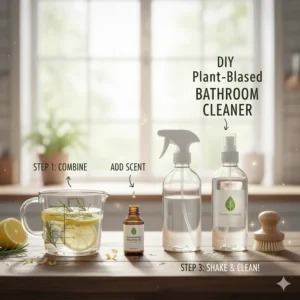
DIY Plant Based Bathroom Cleaner Recipe
While commercial plant based cleaners offer convenience and optimized formulations, some people prefer making their own. Here’s a simple, effective recipe that costs pennies per batch:
🧪 Basic Plant Based Bathroom Spray
Ingredients:
- 2 cups distilled water
- ½ cup white vinegar (5% acidity)
- 1 tablespoon castile soap (liquid)
- 15 drops tea tree essential oil
- 10 drops lemon essential oil
Instructions:
- Pour distilled water into a glass spray bottle
- Add white vinegar slowly (it will react with soap slightly)
- Add castile soap and swirl gently to mix
- Add essential oils and shake well
- Label with date and ingredients
How to Use: Spray on tubs, tiles, sinks, and toilets. Let sit 5-10 minutes, scrub if needed, and rinse. Avoid using on natural stone or marble as vinegar’s acidity can etch these surfaces.
🧂 Heavy-Duty Scrub Paste
For tough soap scum and hard water stains, make this abrasive paste:
Ingredients:
- 1 cup baking soda
- ¼ cup castile soap
- 1 tablespoon hydrogen peroxide (3%)
- 10 drops eucalyptus oil
Mix into a paste consistency. Apply to problem areas, let sit 10-15 minutes, scrub with a non-abrasive sponge, and rinse thoroughly.
⚠️ Important Cautions
Never mix vinegar with hydrogen peroxide – This creates peracetic acid, which is corrosive. Don’t use vinegar on natural stone – It etches marble, granite, and limestone. Test first – Try any DIY cleaner on an inconspicuous area before full application.
While DIY cleaners work well for many applications, commercial plant based formulas offer advantages: optimized pH levels, stabilized formulations, proven safety testing, and often better performance on tough jobs.
Special Considerations for Sensitive Skin and Allergies
If you or family members struggle with allergies, asthma, chemical sensitivities, or skin conditions, choosing the right plant based bathroom cleaner becomes even more critical. Here’s what you need to know:
🌬️ For Asthma Sufferers
Asthma triggers in conventional cleaners include VOCs, fragrances, and ammonia fumes. The best bathroom cleaner for asthma sufferers should be:
Completely fragrance-free – Even natural essential oils can trigger asthma attacks in sensitive individuals. Branch Basics and Seventh Generation Powder are truly fragrance-free.
Low-VOC certified – Look for EPA Safer Choice certification, which limits volatile organic compounds.
Enzyme or plant-acid based – These clean effectively without releasing respiratory irritants.
Research from the American Lung Association shows that switching to fragrance-free, plant-based cleaners significantly reduces asthma symptoms and respiratory irritation in affected individuals.
🧴 For Eczema and Sensitive Skin
Direct contact with cleaning products can trigger eczema flares and skin irritation. Choose products that are:
Free from essential oils – While plant-derived, essential oils are common allergens. Branch Basics omits them entirely.
Surfactant gentle – Glucoside-based surfactants (in Branch Basics, Attitude, ECOS) are milder than sulfates.
pH balanced – Extreme pH levels damage skin’s protective barrier.
Even with gentle products, wear gloves when cleaning or opt for spray-and-wipe methods that minimize contact.
🤧 For Multiple Chemical Sensitivity (MCS)
People with MCS react to extremely low chemical levels that don’t affect most people. For MCS:
Choose absolute minimal ingredients – Branch Basics has just 4 ingredients; ECOS has 6.
Avoid any fragrances – Including “natural fragrance” or essential oils.
Look for EWG Verified or EPA Safer Choice – These certifications screen out problematic chemicals.
Start with tiny amounts – Test by spraying a small amount in a well-ventilated area from a distance.
Earthview makes cleaners specifically designed for environmental sensitivities—worth checking if mainstream “natural” products still cause reactions.
💚 Hypoallergenic Bathroom Cleaner Options
The term “hypoallergenic” isn’t regulated, but these products have proven track records with sensitive individuals:
- Branch Basics – Consistently top-rated by chemically sensitive users
- Seventh Generation Powder – Unscented, minimal ingredients
- Biokleen Free & Clear (different from Bac-Out) – No fragrances or dyes
- ECOS Unscented – Simple formula without common allergens
Always patch test by spraying a small amount in a well-ventilated bathroom and leaving for an hour. If no headaches, breathing difficulties, or skin reactions occur, gradually increase use.
Environmental Impact: Why It Matters
Choosing a plant based bathroom cleaner isn’t just about your personal health—it’s about planetary health too. The environmental differences are staggering:
🌊 Water Pollution
When you rinse conventional bathroom cleaners down the drain, they enter wastewater systems. Many chemicals don’t break down in treatment plants and end up in rivers, lakes, and oceans. Phosphates cause algae blooms that suffocate aquatic life. Synthetic surfactants persist in water, harming fish and amphibians.
Plant-derived ingredients biodegrade rapidly—typically within days rather than months or years. They break down into simple compounds that don’t harm aquatic ecosystems. Products certified by the EPA Safer Choice program meet strict criteria for aquatic toxicity.
🏭 Manufacturing Footprint
Conventional cleaners derive from petroleum extraction and refining—energy-intensive processes with significant carbon footprints. Plant-based ingredients come from renewable agricultural sources.
Many plant-based brands go further:
- ECOS manufactures in carbon-neutral facilities powered by 100% renewable energy
- Seventh Generation uses 100% recycled plastic bottles
- Branch Basics uses glass bottles that can be reused indefinitely
- Attitude offers concentrated refills that drastically reduce plastic waste
♻️ Packaging Innovation
Traditional cleaners ship mostly water in single-use plastic bottles. The plant-based movement is pioneering:
Concentrated formulas that you dilute at home (Branch Basics, Blueland) Powder formats that eliminate plastic entirely (Seventh Generation) Refill systems that let you reuse original bottles (Attitude, Grove Collaborative brands) Aluminum packaging that’s infinitely recyclable (Attitude’s aluminum spray bottles)
According to environmental data, concentrated cleaners reduce transportation emissions by up to 85% compared to ready-to-use products since they’re lighter and smaller.
🌱 Ingredient Sourcing
Plant-based ingredients come from renewable resources—coconuts, corn, citrus fruits, and other agricultural products. Responsible brands ensure:
Sustainable farming practices that don’t deplete soil Fair labor standards for agricultural workers No deforestation for ingredient production Organic or pesticide-free when possible
Look for USDA Biobased certification (Branch Basics has it) which verifies renewable ingredient sourcing.
Making the switch to plant-based cleaning is one of the easiest ways to reduce your environmental footprint. If every household in America switched just their bathroom cleaner, we’d eliminate millions of pounds of harmful chemicals from waterways annually.
Price Range & Value Analysis
Let’s talk money. Plant based bathroom cleaners often carry higher sticker prices than conventional options, leading many to assume they’re unaffordable. But price per bottle tells only part of the story.
💰 Budget-Friendly Options ($5-10)
ECOS Bathroom Cleaner – $7-10 for 22 oz (2-pack)
- Cost per oz: ~$0.35-0.45
- Value: Excellent for budget-conscious shoppers
- Best for: General bathroom maintenance
Attitude Bathroom Cleaner – $6-9 for 27 oz
- Cost per oz: ~$0.22-0.33
- Value: Outstanding price-to-performance ratio
- Best for: Families wanting affordable plant-based cleaning
Seventh Generation Powder – $8-10 for 10 oz
- Cost per use: ~$0.30-0.40
- Value: Powder lasts longer than it appears
- Best for: Eco-conscious budget shoppers
💵 Mid-Range Options ($10-20)
Biokleen Bac-Out – $8-12 for 32 oz
- Cost per oz: ~$0.25-0.37
- Value: Exceptional for odor and enzyme cleaning
- Best for: Pet owners, families
Better Life Tub & Tile – $10-14 for 2-pack (64 oz total)
- Cost per oz: ~$0.16-0.22
- Value: Excellent when bought in multipacks
- Best for: Tough soap scum challenges
Puracy All Purpose – $12-16 for 2-pack (50 oz total)
- Cost per oz: ~$0.24-0.32
- Value: Versatile for whole-home cleaning
- Best for: Those wanting one cleaner for everything
💎 Premium Concentrates ($40-60)
Branch Basics Concentrate – $55 for 33.8 oz concentrate
- Cost per oz (diluted): ~$0.20
- Value: Makes 17+ bottles—actually economical
- Best for: Sensitive individuals, minimalists
Blueland Clean Essentials – $49 for starter kit
- Cost per refill: ~$2 per tablet
- Value: Zero plastic; reusable forever bottles
- Best for: Sustainability-focused households
📊 True Cost Comparison
Let’s compare actual cleaning costs over one year for an average household:
Conventional Bathroom Cleaner (Clorox):
- Cost: $4 per 32 oz bottle
- Frequency: 12 bottles per year
- Annual cost: ~$48
- Hidden costs: Health impacts, environmental damage
Mid-Range Plant Based (Better Life):
- Cost: $14 for 64 oz (2-pack)
- Frequency: 6 purchases per year
- Annual cost: ~$84
- Value: Better health, less toxic exposure
Concentrate System (Branch Basics):
- Cost: $55 for concentrate
- Diluted yield: 17 bathroom cleaner bottles (544 oz)
- Frequency: 1-2 purchases per year
- Annual cost: ~$55-110
- Value: Lowest per-oz cost; one product for whole home; healthiest option
The Verdict: While plant-based cleaners cost more upfront, concentrated formulas often match or beat conventional cleaners on actual cost per use. Factor in health benefits (fewer doctor visits, less medication for allergies/asthma), and plant-based cleaning becomes the economically smart choice.
Maintenance Tips for a Cleaner Bathroom
Even the best plant based bathroom cleaner works better with good cleaning habits. Here’s how to keep your bathroom sparkling between deep cleans:
Daily Quick-Wins (2 Minutes)
After showering: Squeegee glass doors or spray with streak-free cleaner (1 drop Branch Basics in 24 oz water). This prevents soap scum buildup.
Evening wipe-down: Keep a spray bottle and microfiber cloth under the sink. Quick spray-and-wipe of the sink and faucet takes 30 seconds.
Toilet brush: A quick swish after use prevents ring formation. Biokleen’s enzymes work great for this.
Weekly Deep Clean (15-20 Minutes)
Monday or Sunday works well for most families. Having a designated day prevents neglect.
Step 1: Spray all surfaces with your plant based bathroom cleaner. Start at the top (mirror, light fixtures) and work down.
Step 2: While cleaner dwells (5-10 minutes), tackle the toilet with Biokleen or Attitude.
Step 3: Wipe down all sprayed surfaces with microfiber cloths. Rinse and wring cloths frequently.
Step 4: Mop floors last using diluted all-purpose cleaner.
Monthly Deep Maintenance
Grout: Mix baking soda with your plant-based cleaner into a paste. Apply, let sit 15 minutes, scrub with an old toothbrush.
Hard water deposits: For stubborn buildup on faucets and showerheads, soak in vinegar for 30 minutes, then scrub with a paste of baking soda.
Exhaust fan: Remove cover and soak in warm water with dish soap. Vacuum fan mechanism while cover soaks.
Shower curtain/liner: Wash in washing machine with ½ cup vinegar, or spray thoroughly with bathroom cleaner and rinse.
Prevention is Key
Ventilation: Run the exhaust fan during and for 20 minutes after showers. This prevents mold and reduces soap scum formation.
Seal grout: Once yearly, apply grout sealer. This prevents water penetration and reduces mold growth.
Fix leaks immediately: Even small drips cause mineral deposits and water damage.
Use a shower liner: If you have a fabric shower curtain, add a liner. It’s easier to replace/clean than mold remediation.
Pro Tip for Hard Water Areas
If you have hard water, mineral deposits are your nemesis. Address this by:
- Installing a shower filter (reduces minerals before they hit surfaces)
- Using citric acid-based cleaners (Seventh Generation, Attitude) weekly
- Keeping a squeegee in the shower for daily door/tile maintenance
With these habits, your plant based bathroom cleaner will work more effectively, last longer, and keep your bathroom healthier.
Product Recommendations by Specific Needs
Different situations call for different solutions. Here’s my curated guide for specific circumstances:
🏠 Best for Large Families
Winner: Better Life Tub & Tile (2-pack)
Why: Affordable bulk buying, tough enough for high-traffic bathrooms, safe for kids
👶 Best for Nurseries and Baby Bathrooms
Winner: Branch Basics Concentrate
Why: Completely fragrance-free, safe if accidentally ingested in small amounts, no irritants
🤧 Best for Allergy & Asthma Sufferers
Winner: Seventh Generation Powder (Unscented)
Why: Truly fragrance-free, no VOCs, minimal ingredients, EWG Verified
💚 Best for Environmental Impact
Winner: ECOS Bathroom Cleaner
Why: Carbon-neutral manufacturing, water-neutral facilities, family-owned for 50+ years
💰 Best Budget Option
Winner: Attitude Bathroom Cleaner
Why: Excellent performance at low cost, EWG Verified, available in bulk
🏆 Best Overall Value
Winner: Branch Basics Concentrate
Why: Despite higher upfront cost, makes 17+ bottles, works for everything, healthiest option
🐕 Best for Pet-Friendly Homes
Winner: Biokleen Bac-Out
Why: Enzymes eliminate pet odors, safe around animals, tackles organic stains
🌿 Best for Chemical Sensitivities
Winner: Branch Basics or Earthview
Why: Minimal ingredients, specifically designed for sensitive individuals
🛁 Best for Tough Soap Scum
Winner: Better Life Tub & Tile
Why: Lactic acid formula cuts through buildup, works on even the toughest bathroom grime
♻️ Best Zero-Waste Option
Winner: Seventh Generation Powder
Why: Completely plastic-free packaging, concentrated powder lasts longer than liquids
Storage and Safety Tips
Even gentle plant-based cleaners require proper handling and storage. Here’s everything you need to know:
🔒 Child Safety
While plant based cleaners are significantly safer than conventional options, they’re still not meant for consumption:
Store out of reach – High shelves or locked cabinets prevent curious toddlers from accessing cleaners
Label clearly – Use original packaging or clearly label diluted spray bottles
Never transfer to food containers – Kids may think it’s safe to drink if it’s in a former juice bottle
Teach early – Once old enough, teach children to recognize cleaning products and that they’re not for playing
Most plant-based brands don’t require child-proof caps because they contain fewer caustic ingredients, but safety remains important.
🌡️ Proper Storage Conditions
To maintain effectiveness:
Cool, dark places – Under sink storage is ideal. Avoid garages where temperature fluctuates
Away from direct sunlight – UV light can degrade plant-based ingredients
Keep caps tight – Prevents evaporation and maintains concentration
Avoid extreme temperatures – Don’t let cleaners freeze or get excessively hot
Separate from food – Even though plant-based, store separately to avoid cross-contamination
⏰ Shelf Life Awareness
Plant-based cleaners have shorter shelf lives than conventional products (which is actually good—it means fewer preservatives):
Liquid sprays: 12-18 months Concentrates: 18-24 months Powders: 24-36 months (if kept dry)
Signs your cleaner has expired:
- Changed color or consistency
- Separated layers that won’t remix
- Off smell
- Reduced cleaning effectiveness
🚰 Disposal Guidelines
When cleaners expire or you want to switch products:
Don’t pour down drain in large quantities – Even biodegradable products should be disposed of responsibly
Use it up if possible – Dilute extra-concentrated mixtures for final use
Check local hazardous waste guidelines – Though plant-based cleaners aren’t hazardous, some communities have specific disposal protocols
Recycle bottles properly – Rinse thoroughly and follow local recycling guidelines
⚠️ What to Do in Case of Accidents
Eye contact: Flush with clean water for 15 minutes and seek medical attention
Skin contact: Wash thoroughly with soap and water. Most plant-based cleaners cause minimal irritation
Ingestion: Rinse mouth, drink water, and contact poison control immediately. Don’t induce vomiting
Inhalation of mist: Move to fresh air. Plant-based cleaners rarely cause serious respiratory issues, but seek medical attention if symptoms persist
Keep poison control number handy: 1-800-222-1222 in the US.
FAQ: Your Plant Based Bathroom Cleaner Questions Answered
❓ How effective are plant based bathroom cleaners compared to conventional bleach products?
❓ Can I use plant based bathroom cleaner on all surfaces including natural stone?
❓ Do unscented bathroom cleaners work as well as scented versions?
❓ How long does a bottle of plant based bathroom cleaner typically last?
❓ Are plant based bathroom cleaners safe for septic systems?
Conclusion: Making the Switch to Plant Based Bathroom Cleaning
Here’s what I’ve learned after testing dozens of plant based bathroom cleaners: the switch is easier than you think, and the benefits extend far beyond a sparkling tub.
Your bathroom is one of the most-used rooms in your home. It’s where you start and end each day, where your kids brush their teeth, where you breathe in mist from hot showers. Making it a chemical-free zone isn’t luxury—it’s smart health protection.
The seven plant based bathroom cleaners I’ve recommended all deliver professional results without the toxic baggage. Whether you choose Branch Basics for its purity, Better Life for its toughness, or Attitude for its affordability, you’re making a choice that benefits your family and the planet.
Remember: you don’t need harsh chemicals to achieve a clean bathroom. Plants have been cleaning since long before petroleum-derived formulas existed. Modern green chemistry just helps them work more efficiently.
Start with one product that fits your situation. Test it for a month. Pay attention to how you feel—fewer headaches, easier breathing, less skin irritation. Notice how your bathroom smells fresh without that chemical overlay. These small changes compound into significant health improvements.
The bathroom cleaning revolution is here, and it’s plant-powered. Your lungs, skin, and waterways will thank you for joining it.
🎯 Take Action Now ✨
Ready to transform your bathroom cleaning routine? Click on any product name in the “Top 7” section to check current Amazon pricing and start breathing easier today. Your healthier, cleaner bathroom awaits! 🌿💚
Recommended for You
- Method Cleaner Bathroom: 7 Best Options for 2025
- Best Non Toxic Bathroom Cleaner: 7 Safe Picks for 2025
- 7 Professional Steam Carpet Cleaning Machines That Transform Dirty Carpets in 2025
Disclaimer: This article contains affiliate links. If you purchase products through these links, we may earn a small commission at no additional cost to you.
✨ Found this helpful? Share it with your friends! 💬🤗
