
In This Article
Remember the frustration of running out of vacuum bags right in the middle of cleaning? Or worse, that musty smell emanating from a two-week-old bag stuffed with pet hair and dust? Those days are officially over.
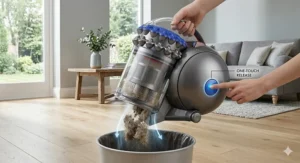
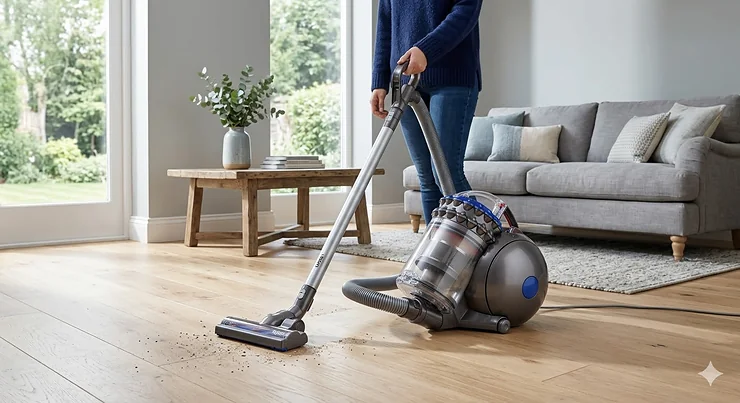
The bagless canister vacuum represents one of the smartest investments you can make for your home in 2026. Unlike their bagged predecessors, these modern cleaning powerhouses use transparent dust containers and cyclonic bagless canister vacuum technology to trap dirt without requiring constant replacements. You simply empty the bin when it’s full—no wrestling with messy bags, no recurring costs draining your wallet.
What makes today’s models truly exceptional is the integration of multi-cyclonic separation systems. This technology creates a powerful vortex that separates even microscopic particles from the airstream, maintaining consistent suction power that never fades as the container fills. Combined with HEPA filtration systems that capture 99.97% of particles as small as 0.3 microns, you’re not just cleaning floors—you’re improving your indoor air quality with every pass.
The transparent dust container feature isn’t just about convenience; it’s surprisingly satisfying to actually see the dirt you’ve collected. There’s something genuinely rewarding about watching that clear bin fill up with debris, proving your cleaning efforts are making a real difference. Plus, you’ll know exactly when it needs emptying—no guesswork, no loss in performance.
Whether you’re managing pet hair, battling seasonal allergies, or simply maintaining a pristine home, the easy empty bagless canister vacuum models available today offer unprecedented convenience. With no bag replacement costs eating into your budget year after year, these machines essentially pay for themselves within the first 12-18 months.
Quick Comparison Table
| Product | Motor Power | Dust Capacity | Filtration | Weight | Price Range |
|---|---|---|---|---|---|
| Aspiron CA033 | 1700W / 45kPa | 3.5QT | Multi-Cyclonic + HEPA 12 | ~15 lbs | $160-$190 |
| Miele Boost CX1 | 1100W | 1.0L | Vortex + HEPA | 12.9 lbs | $479-$549 |
| Eureka WhirlWind NEN110A | 960W | 2.5L | Cyclonic + Washable | 8.15 lbs | $60-$85 |
| Bissell Zing 2156A | Variable | 2.0L | 3-Stage Cyclonic | 8 lbs | $75-$90 |
| Aspiron CA006 | 1600W / 40kPa | 4QT | H13 HEPA + Cyclonic | 14.9 lbs | $140-$170 |
| Eureka NEN180 | 1000W / 16kPa | 2L | HEPA + Cyclonic | <17 lbs | $90-$120 |
| Miele Boost CX1 Cat & Dog | 1100W | 1.0L | HEPA + TurboBrush | 12.9 lbs | $679-$779 |
💬 Just one click – help others make better buying decisions too!😊
Top 7 Bagless Canister Vacuum Cleaners: Expert Analysis
1. Aspiron CA033 1700W Canister Vacuum – Best Overall Performance
The Aspiron CA033 stands as the performance champion in the bagless canister vacuum category, delivering an impressive 45kPa of suction power that rivals machines twice its price. This powerhouse doesn’t just clean—it obliterates dirt.
Key Specifications:
- Motor: 1700W with 45kPa suction
- Dust Capacity: 3.5QT (larger than most competitors)
- Filtration: 5-stage system (HEPA 10 inlet, HEPA 12 outlet, multi-cyclone, central cyclone, sponge)
What sets this model apart is its sophisticated multi-cyclonic filtration structure that maximizes dust separation efficiency while preventing filter clogging. The transparent dust container lets you monitor fill levels at a glance, and the 20-foot power cord with automatic retraction provides a massive 33-foot cleaning radius—perfect for larger homes.
Customer Feedback: Users consistently praise the fade-free suction power and the pet turbo tool that efficiently tackles stubborn pet hair from couches and carpets. Several reviewers note it outperforms vacuums costing twice as much.
✅ Pros:
- Exceptional 45kPa suction maintains power
- Dual HEPA filtration (99.9% particle capture)
- Long-lasting performance with minimal clogging
❌ Cons:
- Heavier than ultra-lightweight models
- Premium price point in Aspiron’s lineup
Price Range: $160-$190 | Best For: Pet owners, allergy sufferers, large homes
2. Miele Boost CX1 – Premium German Engineering
When you want the reliability of a luxury vehicle applied to home cleaning, the Miele Boost CX1 delivers. This compact German-engineered marvel combines Miele’s legendary build quality with cutting-edge vortex technology.
Key Specifications:
- Motor: 1100W with optimized airflow
- Dust Capacity: 1.0L (compact design)
- Filtration: Hygiene AirClean filter or HEPA option
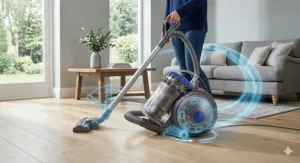
Miele’s proprietary vortex technology generates airflow exceeding 62 mph, creating centrifugal forces that separate coarse dirt and fine dust with remarkable efficiency. The TrackDrive wheels keep the vacuum perfectly on track, protecting furniture and door frames while ensuring every corner gets thoroughly cleaned.
Customer Feedback: Owners rave about the whisper-quiet operation (only 65.4 dBA) and premium feel. The compact 11″ x 15.75″ footprint makes storage effortless even in small apartments.
✅ Pros:
- Exceptionally quiet operation
- Superior build quality with 3-year warranty
- Compact design ideal for small spaces
❌ Cons:
- Smaller 1L dust container requires frequent emptying
- Premium pricing reflects German engineering
Price Range: $479-$549 | Best For: Quality-conscious buyers, apartment dwellers, quiet operation seekers
3. Eureka WhirlWind NEN110A – Best Budget Champion
Don’t let the bargain price fool you—the Eureka WhirlWind NEN110A punches well above its weight class. At under $85, this lightweight marvel delivers features and performance that rival machines costing three times more.
Key Specifications:
- Motor: 960W with integrated airflow control
- Dust Capacity: 2.5L (no bags needed)
- Filtration: Washable filters (zero ongoing costs)
The integrated airflow control on the handle is pure genius—switch between carpet, upholstery, and hard floor settings with a simple fingertip adjustment. Weighing just 8.15 pounds, it’s ridiculously easy to carry between floors or maneuver around furniture thanks to swivel steering and the telescoping metal wand.
Customer Feedback: With over 39,000 reviews averaging 4.2 stars, buyers love the automatic cord rewind and the built-in crevice tool that’s always at their fingertips. Many report using it daily for years without issues.
✅ Pros:
- Unbeatable value under $85
- Ultra-lightweight at 8.15 lbs
- Washable filters eliminate replacement costs
❌ Cons:
- Roller brush requires cleaning every 2 weeks
- No HEPA filtration for severe allergies
Price Range: $60-$85 | Best For: Budget shoppers, renters, multi-floor homes
4. Bissell Zing 2156A – Best Ultra-Lightweight Option
The Bissell Zing 2156A redefines portability in the canister vacuum space. Weighing less than 8 pounds, this nimble cleaner makes quick work of whole-home cleaning without the arm fatigue.
Key Specifications:
- Motor: Variable suction control
- Dust Capacity: 2.0L easy empty dirt cup
- Filtration: 3-stage cyclonic system
Bissell’s cyclonic technology provides powerful, continuous suction across both carpets and hard floors. The Easy Empty dirt cup features a bottom-tank release that keeps dirt off your hands—just press the button and watch debris drop cleanly into the trash.
Customer Feedback: Users adore the compact size and automatic cord rewind feature. Many reviewers mention it as their go-to recommendation for friends getting married or moving into first apartments.
✅ Pros:
- Extremely lightweight (under 8 lbs)
- Affordable price point
- Mess-free bottom-tank emptying
❌ Cons:
- Smaller 2L capacity vs competitors
- Basic filtration without HEPA
Price Range: $75-$90 | Best For: Seniors, students, quick daily cleaning
5. Aspiron CA006 Upgraded 1600W – Best Value Mid-Range
The Aspiron CA006 represents the sweet spot between performance and affordability. This upgraded model delivers premium features without the premium price tag.
Key Specifications:
- Motor: 1600W generating 40kPa suction
- Dust Capacity: 4QT (extra-large capacity)
- Filtration: H13 HEPA filter + cyclone technology
That massive 4QT dust cup means 75% fewer trips to empty compared to standard 2QT models—a game-changer for busy households. The fully sealed system with H13 HEPA filtration traps fine dust and allergens, preventing secondary pollution and ensuring cleaner expelled air.
Customer Feedback: Pet owners particularly appreciate the included PowerMate attachment that deep-cleans hair from furniture. The automatic cord rewind and 33-foot cleaning radius earn consistent praise.
✅ Pros:
- Extra-large 4QT capacity reduces emptying frequency
- H13 HEPA filtration for superior air quality
- Excellent price-to-performance ratio
❌ Cons:
- Slightly heavier due to larger capacity
- More attachments can feel overwhelming initially
Price Range: $140-$170 | Best For: Pet households, large spaces, value seekers
6. Eureka NEN180 Bagless Canister – Best for Multi-Surface Cleaning
The Eureka NEN180 brings professional-grade cleaning power to residential spaces with its motorized brush and advanced filtration system.
Key Specifications:
- Motor: 1000W with 16kPa suction
- Dust Capacity: 2L bagless design
- Filtration: 3-stage sealed system with HEPA
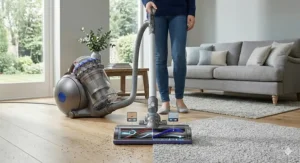
The motorized brush roll tackles embedded dirt in carpets while the sealed HEPA filtration captures 99.9% of particles as small as 0.3 microns. The foot-activated mode switch lets you transition between floors and carpets without bending over—a thoughtful ergonomic touch.
Customer Feedback: Users highlight the exceptional bare floor performance and the convenience of the 17-foot retractable cord. The compact storage design fits easily in closets.
✅ Pros:
- Motorized brush for deep carpet cleaning
- Sealed HEPA system protects air quality
- Ergonomic foot-operated mode switching
❌ Cons:
- Moderate weight compared to ultra-light models
- Mid-tier dust capacity
Price Range: $90-$120 | Best For: Mixed flooring homes, allergy sufferers
7. Miele Boost CX1 Cat & Dog – Best for Pet Owners
Pet owners facing an endless battle against fur and dander need the Miele Boost CX1 Cat & Dog. This specialized variant adds a powerful TurboBrush specifically engineered to capture pet hair from every surface.
Key Specifications:
- Motor: 1100W with vortex technology
- Dust Capacity: 1.0L with quick-empty design
- Filtration: HEPA AirClean filter for maximum air hygiene
The included TurboBrush attachment uses rotating bristles to lift embedded pet hair from carpets, upholstery, and stairs—areas where regular vacuum heads struggle. Miele’s vortex technology maintains consistent suction even as fur accumulates, while the HEPA filter captures airborne pet dander that triggers allergies.
Customer Feedback: Cat and dog owners report dramatically reduced pet hair around their homes. Many note the quiet operation doesn’t frighten nervous pets, and the durable build quality justifies the investment.
✅ Pros:
- Dedicated TurboBrush for stubborn pet hair
- HEPA filtration captures pet dander effectively
- Quiet operation won’t scare pets
❌ Cons:
- Premium price point
- Smaller dust bin requires more frequent emptying with heavy shedders
Price Range: $679-$779 | Best For: Multi-pet households, severe allergies, luxury buyers
Understanding Bagless Canister Vacuum Technology
How Multi-Cyclonic Separation Works
The science behind modern bagless canister vacuum cleaners is genuinely fascinating. Unlike simple single-stage vacuums, multi-cyclonic systems employ multiple smaller cyclones working in tandem to achieve superior particle separation.
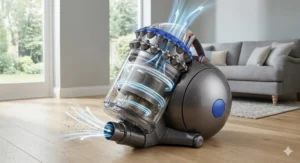
Here’s what happens inside that transparent dust container: Air carrying dirt enters the primary cyclone chamber at high velocity, creating a powerful vortex. Centrifugal force pushes larger particles—think pet hair, crumbs, dust bunnies—outward against the chamber walls where they lose momentum and fall into the collection bin.
But the magic doesn’t stop there. The remaining airstream, still containing microscopic particles, gets channeled through secondary cyclones. These smaller, faster-spinning vortices generate even stronger centrifugal forces, capable of separating particles down to fractions of a micron. This hierarchical approach prevents filter clogging while maintaining fade-free suction power.
Traditional bagged vacuums lose suction as bags fill because debris clogs the porous material. Cyclonic technology sidesteps this entirely—the air path remains clear, ensuring consistent performance from first use to last.
The Transparent Dust Container Advantage
There’s something oddly satisfying about watching dirt swirl in that clear canister. Beyond the entertainment value, transparent dust containers offer practical benefits you won’t find in opaque designs.
First, you’ll never wonder whether it needs emptying. That visual feedback prevents overfilling, which can reduce suction and damage motors. Second, you can instantly see if you’ve accidentally vacuumed something valuable—earrings, small toys, loose change—and retrieve it before it becomes permanent waste.
The psychological impact matters too. Seeing exactly how much dirt your vacuum captures provides tangible proof of your cleaning efforts. It transforms a mundane chore into a visible accomplishment.
The No Bag Replacement Costs Reality
Calculating Your Long-Term Savings
Let’s talk money. Traditional bagged canister vacuums seem affordable upfront, but those recurring bag costs add up faster than you’d think.
Quality vacuum bags run $12-20 for a pack of 5-10, depending on brand and filtration level. If you vacuum twice weekly (a reasonable frequency for most homes), you’ll replace bags roughly 8-12 times annually. That’s $100-200 per year just to collect dirt.
Over a typical 5-year vacuum lifespan, you’re looking at $500-1,000 in bag expenses alone. Meanwhile, a bagless canister vacuum requires only occasional filter washing or replacement ($15-30 every 6-12 months for HEPA filters). The math is compelling: bagless models essentially pay for themselves within 18-24 months.
Consider a family scenario: You purchase the Eureka WhirlWind NEN110A for $80. A comparable bagged model might cost $60 upfront but require $120 annually in bags. After just 6 months, the bagless option becomes cheaper. After 3 years, you’ve saved $360.
Environmental Impact Worth Considering
Beyond your wallet, there’s an environmental dimension to the no bag replacement costs philosophy. Americans discard millions of vacuum bags annually—bags that contain synthetic materials and aren’t typically recyclable.
Easy empty bagless canister vacuum models eliminate this waste stream entirely. You dump debris directly into existing trash, rinse washable components, and continue cleaning. No packaging waste, no manufacturing emissions from producing replacement bags, no transportation fuel burning to ship bags to stores.
For environmentally conscious households, this reduction in consumables aligns with broader sustainability goals. It’s a small change that accumulates significant impact when multiplied across millions of homes.
HEPA Filtration Systems Explained
What HEPA Actually Means
The acronym HEPA stands for High-Efficiency Particulate Air, but understanding what that really means requires diving into the science of air filtration.
True HEPA filters must capture 99.97% of particles measuring 0.3 microns in diameter. Why 0.3 microns? Because this represents the “most penetrating particle size”—the hardest size for filters to trap. Larger particles get caught through impaction (slamming into fibers), smaller ones through diffusion (random Brownian motion causes collisions), but 0.3-micron particles have just enough inertia to resist both mechanisms.
It’s crucial to distinguish genuine HEPA from marketing nonsense like “HEPA-type” or “HEPA-style” filters. These imitations don’t meet the strict testing standards and can allow substantially more particles to escape. When shopping for a bagless canister vacuum, verify it uses certified HEPA filtration if air quality matters to you.
Who Benefits Most From HEPA Filtration
Not everyone needs HEPA-grade filtration, but certain households should consider it non-negotiable:
Allergy and Asthma Sufferers: HEPA filters trap pollen, dust mites, and mold spores that trigger respiratory symptoms. Studies have shown that HEPA vacuums significantly reduce airborne allergen levels compared to standard filtration.
Pet Owners: Pet dander consists of microscopic skin flakes that become airborne during vacuuming. HEPA filters prevent this dander from recirculating, reducing allergic reactions even in non-pet areas of your home.
Urban Dwellers: City air contains higher concentrations of particulate pollution. HEPA filtration prevents your vacuum from becoming another source of indoor air contamination.
Parents with Young Children: Babies and toddlers breathe faster than adults and spend more time on floors where settled particles concentrate. HEPA filtration creates cleaner indoor environments during crucial developmental years.
Cyclonic Bagless Canister Vacuum Maintenance Tips
Keeping Your Machine Running Like New
The beauty of cyclonic bagless canister vacuum technology lies partly in its low maintenance requirements—but “low” doesn’t mean “zero.” Follow these practices to maximize performance and longevity:
Weekly Tasks:
- Empty the transparent dust container when it reaches the max fill line (typically 75% full)
- Quick-rinse the container if you’ve vacuumed fine dust or noticed odors
- Check for hair wrapped around brush rolls or beater bars
Monthly Tasks:
- Wash cyclone assembly and dust container with warm soapy water
- Rinse washable filters thoroughly and allow 24-48 hours drying time
- Inspect hoses for clogs or cracks that reduce suction
Quarterly Tasks:
- Deep-clean all attachments and accessories
- Check wheels and swivel mechanisms for debris buildup
- Verify no air leaks around seals or gaskets
Annual Tasks:
- Replace HEPA filters (unless specified as washable/lifetime)
- Inspect electrical cord for wear or damage
- Consider professional servicing for motor inspection
The most common mistake? Reinstalling damp filters. Always ensure cyclone components and filters are completely dry before reassembly. Even slight moisture can foster mold growth and create unpleasant odors that defeat the purpose of HEPA filtration.
Troubleshooting Common Issues
Loss of Suction: First, check for clogs in the hose, wand, or attachments. Empty the dust container even if it doesn’t look full—fine powder can create a barrier. Clean or replace filters if they appear discolored or clogged.
Strange Odors: Usually indicates trapped debris or damp filters. Disassemble and thoroughly clean all washable components. For persistent smells, a mixture of white vinegar and water works wonders.
Overheating: Most modern vacuums have thermal cutoffs that shut down the motor when it gets too hot. This typically signals a blockage restricting airflow. Clear obstructions and allow 30 minutes cooling before restarting.
Comparing Bagless vs Bagged Canister Vacuums
| Feature | Bagless Canister | Bagged Canister |
|---|---|---|
| Initial Cost | Moderate ($60-$800) | Moderate ($50-$700) |
| Ongoing Costs | Minimal (filters only) | High (bags + filters) |
| Emptying Process | Instant, see-through bin | Replace full bag |
| Allergy-Friendly | HEPA models excellent | Bag acts as extra filter |
| Suction Consistency | Constant with cyclonic tech | Decreases as bag fills |
| Mess Factor | Can release dust when emptying | Cleaner disposal in bag |
| Environmental Impact | Lower waste generation | Continuous bag disposal |
| Maintenance | Regular filter cleaning | Minimal between bag changes |
The verdict? Bagless canister vacuum cleaners win on long-term cost savings and environmental sustainability. Bagged models offer slightly cleaner disposal but can’t match the economic and ecological advantages of bagless technology.
Choosing the Right Bagless Canister Vacuum for Your Home
Size Considerations: Matching Capacity to Your Space
Bigger isn’t always better when it comes to dust container size. The ideal capacity depends on your home’s square footage, cleaning frequency, and household composition.
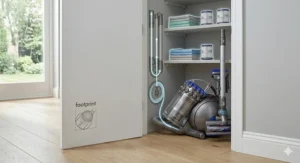
Small Apartments (< 800 sq ft): A 1-2L transparent dust container like the Miele Boost CX1 or Bissell Zing 2156A suffices. These compact units store easily and won’t overwhelm limited closet space.
Medium Homes (800-2,000 sq ft): Aim for 2.5-3.5L capacity. The Eureka WhirlWind NEN110A hits this sweet spot, handling whole-home cleaning without constant emptying.
Large Homes (2,000+ sq ft): Go big with 4QT+ containers like the Aspiron CA006. The reduced emptying frequency makes marathon cleaning sessions far less tedious.
Pet Households: Add 50% to your baseline capacity calculation. Pet hair takes up more volume than regular dust, and you’ll vacuum more frequently.
Power and Performance Metrics That Matter
Motor wattage gets all the attention in marketing materials, but it’s only part of the performance story. Here’s what really matters:
Suction Power (kPa or Air Watts): This measures actual cleaning ability. Look for minimum 15kPa for hard floors, 20kPa+ for carpets, and 40kPa+ for deep-pile rugs or heavy pet hair.
Airflow (CFM): High airflow prevents brush clogging and maintains consistent cleaning across surfaces. Premium models exceed 100 CFM.
Sealed System: Without proper sealing, powerful suction means nothing—dirty air leaks around filters and back into your home. Verify the vacuum advertises a “sealed system” design.
Motor Protection: Quality cyclonic bagless canister vacuum models position filters to protect the motor from particle damage, extending operational life significantly.
Essential Features Worth Paying For
Automatic Cord Rewind: Once you’ve experienced push-button cord storage, manually wrapping cords feels barbaric. This convenience feature appears on most models above $75.
Adjustable Suction Control: Delicate curtains and sturdy carpets require different suction levels. Variable control prevents damage and optimizes cleaning efficiency.
Telescoping Wands: Adjustable-height wands accommodate different users and reach high corners without stepladders. Look for secure locking mechanisms.
Integrated Tool Storage: Attachments scattered across closets serve no purpose. On-board storage keeps crevice tools, dusting brushes, and upholstery nozzles accessible.
Swivel Steering: Maneuverability matters more than you’d think. Swivel-equipped models navigate furniture obstacles with minimal repositioning.
✨ Don’t Miss These Exclusive Deals!
🔍 Take your home cleaning to the next level with these carefully selected bagless canister vacuum models. Click on any highlighted product to check current pricing and availability. These powerful machines will help you create authentic cleanliness your family will love!
Best Uses for Bagless Canister Vacuums
Hard Floor Mastery
Canister vacuums excel on hard flooring in ways uprights simply can’t match. The separate canister unit stays stationary while the lightweight wand and floor head glide effortlessly across hardwood, tile, laminate, and vinyl.
The Miele Boost CX1 Parquet variant includes a special Parquet Twister floorhead with soft bristles that protect delicate hardwood finishes while providing thorough cleaning. No scratches, no swirl marks—just pristine floors.
For households with predominantly hard flooring, prioritize models with:
- Rubber-wheeled canisters that won’t scuff surfaces
- Motorized brush on/off switches (prevent scatter on hard floors)
- Soft dusting brushes for baseboards and trim
Stair Cleaning Made Simple
Anyone who’s lugged an upright vacuum up stairs knows the struggle. Bagless canister vacuum cleaners shine here because the canister remains at the bottom of the staircase—you only carry the lightweight hose and wand.
The Eureka WhirlWind NEN110A at 8.15 pounds proves especially practical. Place the canister on a lower landing, extend the telescoping wand, and work methodically from top to bottom. The integrated crevice tool handles corners and edges where risers meet treads.
Pro tip: Start at the top and work downward. Debris naturally falls to lower steps, which you’ll clean as you descend. This prevents re-contaminating already-cleaned areas.
Upholstery and Above-Floor Cleaning
The real versatility of canister designs emerges when you detach the floor head and use specialized tools. That easy empty bagless canister vacuum transforms into a precision cleaning instrument.
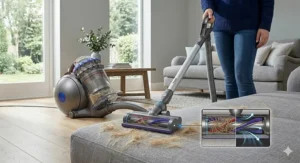
For Furniture: Use the upholstery brush to extract embedded dirt and pet hair from sofas, armchairs, and cushions. The strong suction combined with fabric-safe bristles refreshes upholstery without damage.
For Drapes and Curtains: Attach the dusting brush and use low suction settings to remove dust without dislodging hooks or pulling fabric.
For Ceiling Corners and Light Fixtures: The telescoping wand extends your reach to cobwebs and dust accumulation in ceiling corners, fan blades, and light fixtures—all without ladders.
Smart Shopping: Where to Buy and What to Avoid
Spotting Quality in a Crowded Market
The bagless canister vacuum market has exploded with options, but not all machines deliver on their promises. Watch for these red flags:
“HEPA-Style” Language: Genuine HEPA filters meet strict standards. Terms like “HEPA-type,” “HEPA-like,” or “99% HEPA-style filtration” indicate substandard filters that allow more particles to escape.
Undisclosed Suction Specs: Reputable manufacturers publish kPa or Air Watts measurements. If a product only mentions motor wattage, it’s hiding weak actual suction.
Flimsy Construction: Pick up the display model. Does it feel substantial or like it might crack under normal use? Cheap plastics don’t survive years of regular cleaning.
Suspiciously Low Prices: A $30 “professional canister vacuum” can’t compete with established brands using quality components. You get what you pay for.
Reading Reviews Like a Pro
Customer reviews contain gold—if you know how to mine it. Focus on:
Verified Purchase Badges: These reviewers actually bought the product rather than receiving free samples for positive reviews.
Photos and Videos: Visual evidence of the vacuum in action provides more insight than text alone.
Long-Term Updates: Reviews from 6-12 months post-purchase reveal durability issues not apparent in first-impression reviews.
Consistent Complaints: One person’s motor failure could be bad luck. Ten people reporting the same issue suggests a design flaw.
Your Specific Use Case: A childless single person’s “perfect quiet vacuum” might be entirely inadequate for a family of five with three dogs.
Maximizing Performance: Pro Tips and Tricks
Optimal Cleaning Patterns
Random vacuuming might eventually cover your floors, but systematic patterns clean more efficiently and thoroughly.
For Carpets: Use slow, overlapping passes in straight lines. The overlap ensures no gaps between passes. Pull the vacuum toward you rather than pushing—this allows the beater bar to agitate carpet pile more effectively.
For Hard Floors: Wider, faster passes work fine since you’re not agitating fibers. Use the suction-only setting (brush off) to prevent scattering debris.
For Edges and Corners: Don’t just vacuum parallel to walls. Angle the floor head at 45 degrees to reach dust hiding where walls meet floors.
When to Replace Filters
Even “washable” filters don’t last forever. Replace them when:
- Discoloration persists after thorough washing
- Fabric tears or develops holes
- Suction noticeably decreases even with clean filters
- Persistent odors survive deep cleaning
For HEPA filters, replacement intervals vary:
- Heavy Use (daily vacuuming, pets, allergies): 6 months
- Moderate Use (2-3x weekly): 9-12 months
- Light Use (weekly): 12-18 months
Mark your calendar when installing new filters. It’s easy to forget and let performance slowly degrade.
Extending Vacuum Lifespan
Quality bagless canister vacuum cleaners should last 5-10 years with proper care:
Never Run with Full Dust Bins: Emptying slightly early prevents motor strain and maintains optimal suction. The transparent dust container makes this easy—empty at 75% full.
Store Properly: Keep your vacuum in a dry, temperature-controlled space. Humidity and extreme temperatures damage electrical components and degrade rubber seals.
Address Issues Immediately: Strange noises, burning smells, or reduced suction indicate problems requiring attention. Ignoring them turns minor fixes into major repairs.
Use Manufacturer Parts: Third-party filters and accessories might save $5 but can void warranties and reduce performance.
Frequently Asked Questions
❓ How often should I empty a bagless canister vacuum?
❓ Can bagless canister vacuum cleaners handle pet hair effectively?
❓ Are bagless models messier to empty than bagged vacuums?
❓ Do cyclonic bagless canister vacuum cleaners lose suction over time?
❓ What's the difference between HEPA H10, H13, and H14 filters?
Conclusion: Making Your Final Decision
After examining seven outstanding bagless canister vacuum models and exploring the technology behind them, the choice ultimately depends on your specific needs and budget.
For performance enthusiasts seeking the absolute best cleaning power, the Aspiron CA033 delivers professional-grade 45kPa suction and comprehensive filtration at a surprisingly reasonable price. Its multi-cyclonic system handles everything from fine dust to stubborn pet hair without breaking stride.
Budget-conscious shoppers can’t go wrong with the Eureka WhirlWind NEN110A. At under $85, this lightweight champion offers transparent dust container convenience, washable filters eliminating replacement costs, and reliable performance backed by thousands of positive reviews.
Premium buyers valuing craftsmanship and longevity should seriously consider the Miele Boost CX1. German engineering, whisper-quiet operation, and legendary reliability justify the investment—especially with Miele’s 3-year warranty protecting your purchase.
Pet owners battling constant fur accumulation need the specialized Miele Boost CX1 Cat & Dog with its dedicated TurboBrush and HEPA filtration. It’s expensive, but dramatically reduces allergens while maintaining your home’s appearance despite furry friends.
The bottom line? Today’s bagless canister vacuum technology has matured beautifully. The no bag replacement costs reality means these machines pay for themselves, often within the first year. Combined with superior cyclonic technology, transparent dust containers for at-a-glance monitoring, and easy empty designs that simplify maintenance, bagless has officially surpassed bagged vacuums in nearly every meaningful metric.
Whatever model you choose, you’re making a smart long-term investment in cleaner floors, better air quality, and significant cost savings. Your future self—and your wallet—will thank you.
Recommended for You
- 7 Best Canister Vacuum vs Upright Vacuum – 2026
- 7 Best Canister Vacuum for Hardwood Floors – 2026
- 7 Best Canister Vacuum Cleaners in 2026
Disclaimer: This article contains affiliate links. If you purchase products through these links, we may earn a small commission at no additional cost to you.
✨ Found this helpful? Share it with your friends! 💬🤗
